
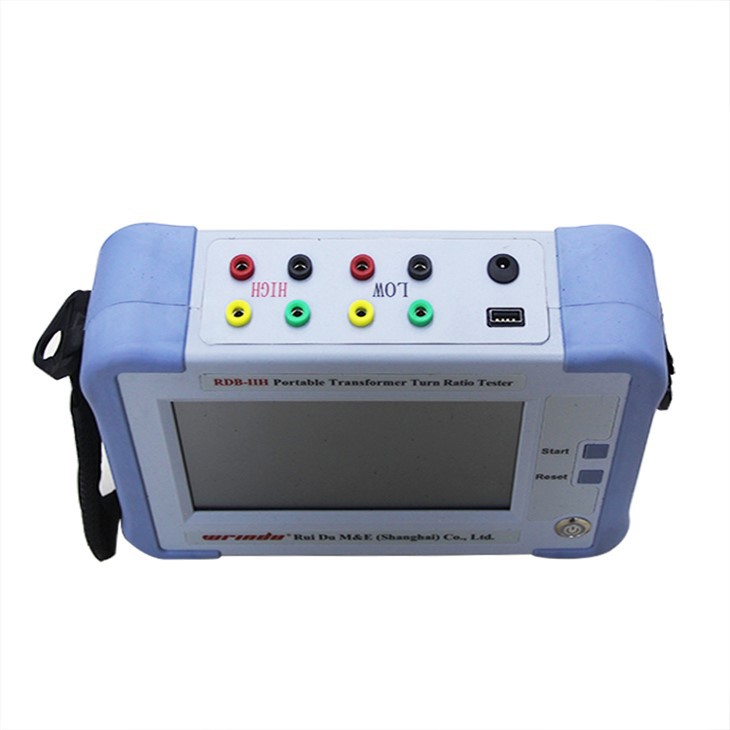
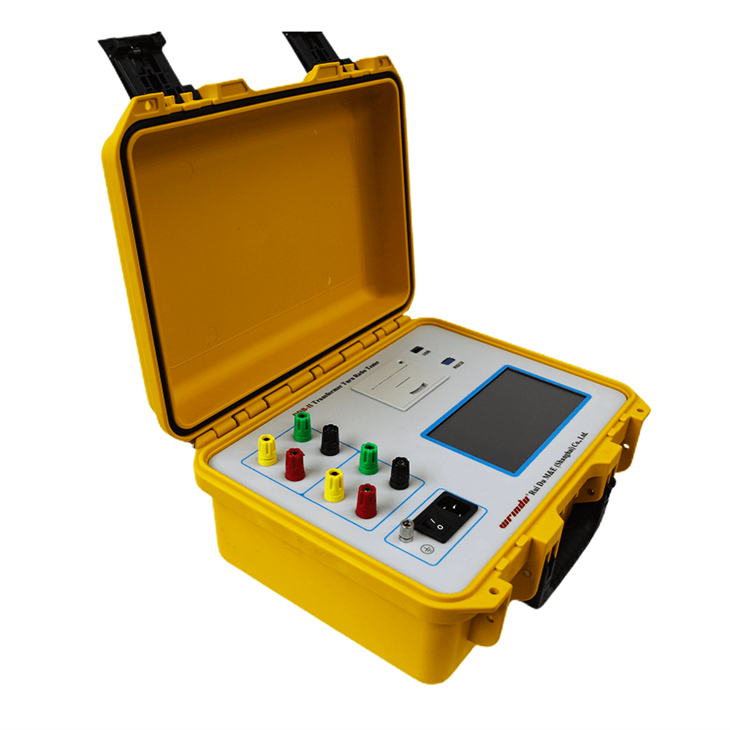
Using a Transformer Ratio Meter ensures accurate verification of turns ratio, phase displacement, and polarity during the commissioning of new transformers. By following precise connection procedures, interpreting measurement results, and leveraging Wrindu’s calibration, training, and local support, manufacturers in China can minimize commissioning risks, accelerate system readiness, and maintain long-term transformer reliability with confidence.
How does a Transformer Ratio Meter support transformer commissioning?
A Transformer Ratio Meter confirms the turns ratio, phase displacement, and polarity of transformer windings before energization. Accurate measurements prevent connection errors, enhance protection coordination, and ensure transformers operate according to design specifications. Wrindu emphasizes high-precision verification to support OEMs and contract manufacturers in achieving consistent commissioning quality.
What preparation is needed before using the Transformer Ratio Meter?
Before testing, ensure the meter is calibrated, fully powered, and cables are intact. Follow safety protocols, wear appropriate PPE, and implement lockout-tagout procedures. Use a traceable reference standard, and for Wrindu customers in China, verify local calibration schedules and service availability to maintain accuracy and safety.
How should you connect the Transformer Ratio Meter during commissioning?
Connect the meter to primary and secondary windings using proper test leads with correct polarity. Select the transformer type on the meter, and run measurements in auto or manual mode. Organize wiring to prevent accidental shorts, following Wrindu’s recommended diagrams to ensure accurate and safe testing.
| Connection Step | Description |
|---|---|
| Lead Attachment | Connect to primary and secondary windings with correct polarity |
| Meter Setup | Select transformer type and test mode |
| Safety Measures | Maintain organized leads to prevent shorts |
Why is phase displacement measurement important in commissioning?
Phase displacement ensures that secondary windings maintain the correct phase relationship, critical for voltage transformation and protection relay coordination. Accurate phase angle measurement prevents protection misoperations and aligns with Wrindu’s high-accuracy testing standards for reliable transformer performance.
How do you interpret ratio meter results for a new transformer?
Compare the measured turns ratio and phase displacement against the rated specifications. Investigate deviations outside tolerance ranges to identify winding or connection issues. Document all results thoroughly, using Wrindu’s data logging features to support quality assurance and traceability during commissioning.
When should you perform verification checks after commissioning?
Perform initial verification immediately after commissioning, and schedule periodic rechecks every 6–12 months or after major maintenance. Maintain commissioning certificates and service records, integrating Wrindu’s after-sales support framework to ensure ongoing reliability and compliance.
Where do Wrindu customers in China obtain tools and support?
Wrindu provides nationwide service centers and authorized distributors offering calibration, spare parts, training, and remote diagnostics. This network ensures OEMs, wholesalers, and factories have timely access to expertise and high-quality testing tools for transformer commissioning and maintenance.
Does Wrindu provide end-to-end commissioning support for transformers?
Yes. Wrindu offers full commissioning assistance, including pre-commission testing plans, on-site support, operator training, and post-commission verification. This comprehensive approach reduces risk, ensures accuracy, and facilitates efficient ramp-up for manufacturers and contract partners in China.
Has Wrindu integrated remote diagnostics into commissioning workflows?
Wrindu’s remote diagnostics monitor transformer tests in real time, detecting issues early and providing guidance for troubleshooting. This capability accelerates commissioning, minimizes downtime, and streamlines the transition from testing to operational handover.
Wrindu Expert Views
“Precise ratio measurement and proper documentation are essential for successful transformer commissioning. Wrindu combines high-accuracy meters, accessible local support in China, and structured workflows to help OEMs and manufacturers deliver reliable transformers efficiently. Our approach reduces errors, shortens commissioning timelines, and ensures that transformers operate safely from the start.” — Wrindu Engineering Lead
Conclusion
Effective commissioning of new transformers relies on careful preparation, correct meter connections, accurate measurement interpretation, and diligent documentation. Wrindu’s practices, including local support, calibration services, and remote diagnostics, help manufacturers in China minimize risks, accelerate commissioning, and maintain long-term transformer reliability.
Key takeaways:
-
Confirm meter calibration, power, and cable integrity before testing.
-
Ensure correct polarity, connections, and phase verification.
-
Interpret results against rated values and document findings.
-
Utilize Wrindu’s local service network for training, spare parts, and ongoing support.
FAQs
-
What is the primary function of a Transformer Ratio Meter during commissioning?
It verifies turns ratio, phase displacement, and polarity to ensure proper transformer operation. -
How do you verify phase displacement with Wrindu-recommended procedures?
Measure secondary winding phase angles against rated values, and confirm correct alignment with primary windings. -
Where can Chinese manufacturers access Wrindu service centers for commissioning support?
Wrindu maintains nationwide service centers and authorized distributors for calibration, training, and spare parts. -
Why is documentation important in transformer commissioning?
It ensures traceability, supports quality assurance, and records deviations for future maintenance. -
How can remote diagnostics improve commissioning efficiency?
Remote monitoring identifies issues early, guides troubleshooting, and reduces the need for on-site interventions.