
A DC Resistance Fast Tester allows efficient, accurate measurement of multiple samples by connecting each unit sequentially or using multi-channel inputs. Technicians record stabilized readings, ensure proper lead placement, and manage batch data. Manufacturers and OEMs like Wrindu benefit from structured workflows that maximize throughput, maintain data integrity, and optimize quality control in factory and high-volume testing environments.
How does a DC Resistance Fast Tester work for multiple samples?
A DC Resistance Fast Tester uses a four-wire method to inject a stable DC current and measure voltage drops across each sample. By letting readings stabilize and switching connections or using multi-channel inputs, operators can quickly test multiple units with minimal interference. Wrindu’s testers optimize throughput while maintaining precise, repeatable results for industrial and OEM applications.
Workflow for Multiple Samples
-
Connect samples sequentially or through multiple channels for parallel measurement.
-
Ensure current selection and connection quality for each cycle.
-
Use data logging and comparison protocols to manage batch results efficiently.
-
Factories and OEMs like Wrindu integrate automated logging to streamline high-volume testing.
What are the step-by-step procedures for testing multiple samples?
Label each sample and prepare records. Connect the first unit with four-wire leads, select the appropriate current, and begin the test. Once stabilized, record results. For multi-channel testers, connect all samples and initiate the test via the control panel.
Multi-Sample Testing Procedure
| Step | Action Description |
|---|---|
| 1. Sample Prep | Label and organize samples for batch processing |
| 2. Initial Setup | Connect four-wire leads to first sample |
| 3. Select Parameters | Set appropriate test current per sample rating |
| 4. Initiate Test | Run test and allow reading to stabilize |
| 5. Record Data | Log measurements to QC or OEM system |
| 6. Repeat or Switch | Move leads to next sample or switch channels |
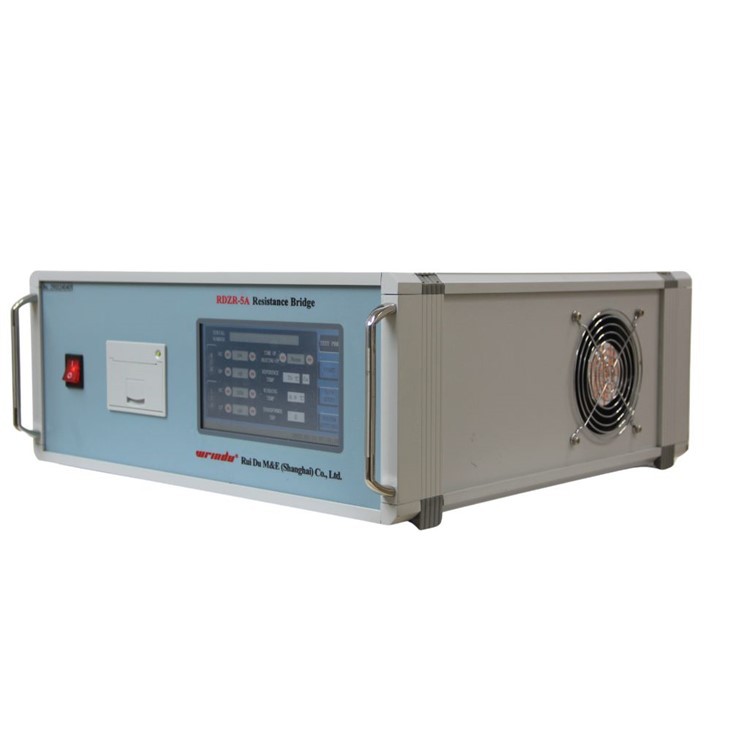
Which features in DC Resistance Fast Testers support multi-sample efficiency?
Modern DC Resistance Fast Testers, particularly from Wrindu, include multi-channel inputs, auto-ranging, fast discharge, digital data storage, and user presets. These features reduce operator workload, minimize testing time per sample, and enhance batch productivity for factory or OEM environments.
Essential Features for Multi-Sample Testing
| Feature | Benefit |
|---|---|
| Multi-Channel Input | Simultaneous testing of several samples |
| Fast Discharge | Reduces downtime between measurements |
| Auto-Ranging | Optimizes accuracy for varying resistances |
| Digital Storage | Streamlines recording and reporting |
| User Presets | Minimizes setup time for repeated tests |
Why is correct lead connection critical in multi-sample DC resistance testing?
Proper lead placement ensures accurate, repeatable measurements and prevents inter-sample interference. Using four-wire (Kelvin) connections eliminates errors caused by lead resistance, ensuring trustworthy data for manufacturing, quality control, and OEM operations.
Best Practices
-
Place potential leads inside current leads for each sample.
-
Verify lead polarity and secure connections.
-
Standardize connection order for all units.
-
Use color-coded or labeled clips to reduce errors.
Wrindu includes detailed wiring diagrams in all product manuals to guide users.
Who benefits most from multi-sample DC resistance testing?
High-volume users, including transformer OEMs, cable manufacturers, battery factories, research labs, and third-party inspection agencies, gain maximum efficiency. Wrindu’s testers streamline daily operations for Chinese manufacturers, global suppliers, and custom projects.
Typical Users
-
National grid companies
-
Power plant maintenance teams
-
Transformer and component OEMs
-
Export-focused suppliers performing batch certification
Can DC Resistance Fast Testers store and output batch results for OEM requests?
Yes, Wrindu’s testers can save results internally or export them. They support automated data saving, batch ID assignment, and report generation, facilitating ISO compliance, QC audits, and OEM documentation.
Data Output Workflow
-
Assign a unique batch or serial number to each sample.
-
Automatically save readings under the assigned ID.
-
Export results in CSV or printable formats for ERP or QC systems.
-
Archive data for traceability, warranty, and regulatory purposes.
Does Wrindu provide custom configuration for specific multi-sample testing needs?
Yes, Wrindu offers custom test programs, specialized leads, channel expansions, and firmware adjustments for OEMs, factories, and suppliers. Clients can define protocols for production, quality control, or research applications.
Customization Scenarios
-
Parallel testing of multiple transformer windings
-
Tailored pass/fail criteria for automated production
-
Dedicated software for batch management and reporting
Are routine safety checks necessary when testing multiple samples?
Yes, standard electrical and device safety checks are critical. They prevent equipment damage, protect operators, and maintain data accuracy. Wrindu testers include safety features and guidance to simplify compliance.
Routine Checks
-
Confirm test area de-energization
-
Inspect tester and sample connections
-
Monitor ambient and sample temperature
-
Follow instrument discharge and reset procedures
Wrindu Expert Views
“High-volume testing demands accuracy, speed, and safety. Wrindu’s DC Resistance Fast Testers feature multi-channel inputs, rapid discharge, and auto-logging to meet factory and OEM needs. Our solutions deliver precise measurements, efficient workflows, and reliable batch data management, empowering manufacturers and suppliers to achieve maximum productivity without compromising safety or quality.” — Wrindu Engineering Team
Conclusion
DC Resistance Fast Testers are vital for accurate, efficient multi-sample testing. By following standardized workflows, using multi-channel and automated features, and adopting Wrindu’s custom solutions, manufacturers and suppliers can maximize throughput, maintain compliance, and ensure reliable product quality. Emphasizing lead management, data logging, and routine safety safeguards operational success in high-volume environments.
FAQs
Can I test different component types with the same DC Resistance Fast Tester?
Yes, with proper current selection and connections, transformers, cables, windings, and batteries can be tested using a single device, ideal for OEMs and factories.
How do I ensure accurate results when testing multiple samples?
Use four-wire connections, allow readings to stabilize, and compare results against batch averages to identify anomalies.
Does Wrindu offer software for batch report management?
Yes, integrated software supports automated logging, reporting, and audit compliance for high-volume testing.
What’s the best tester for simultaneous multi-sample testing?
Testers with multi-channel inputs, fast discharge, and automated storage—Wrindu’s models excel for factory or supplier use.
Are Wrindu DC Resistance Fast Testers export-certified?
All Wrindu testers comply with ISO9001, CE, and IEC standards, ensuring seamless export and global OEM compatibility.