
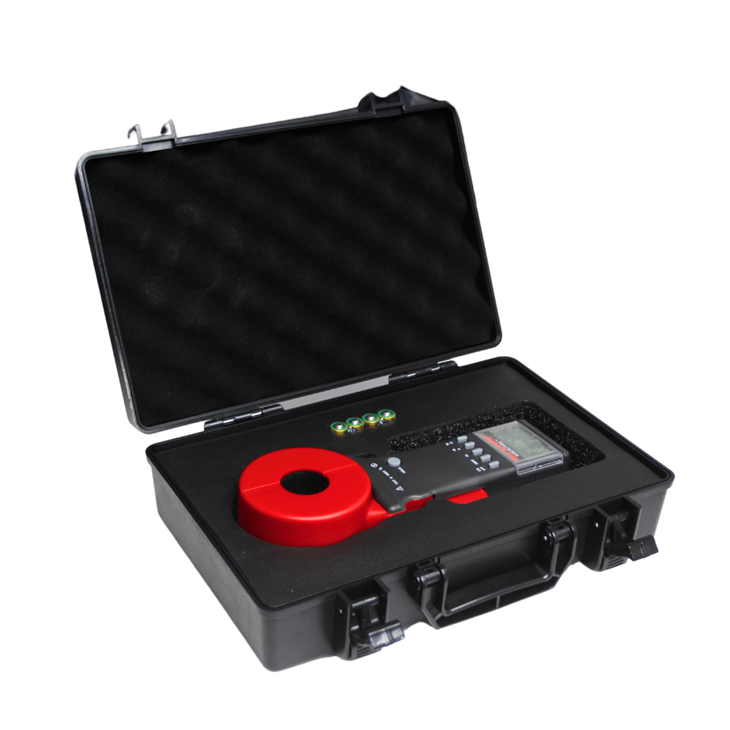
Testing earth resistance in large-scale electrical installations with an Earth Resistance Clamp Tester involves encircling the grounding conductor with the clamp, activating the tester, and measuring resistance without disconnecting the earth system. This method is fast, safe, and ideal for manufacturers, OEMs, and suppliers in China who require efficient on-site testing in factory and wholesale environments.
What Is the Principle Behind Earth Resistance Clamp Testing?
Earth Resistance Clamp Testers measure resistance by applying a current through the grounding conductor and measuring voltage drop without disconnecting the earth connection. This clamp method induces a test current and detects resultant voltage, accurately calculating resistance based on Ohm’s Law. It’s ideal for large installations where traditional methods are challenging.
How Does an Earth Resistance Clamp Tester Work in Large-Scale Installations?
The clamp tester is opened and clamped around the earth conductor or electrode. It injects a low-frequency test current and measures induced voltage and current through the same conductor. The tester’s internal microprocessor calculates resistance, providing instant readings without the need to disconnect grounding systems in factories or OEM testing lines.
Which Preparation Steps Are Necessary Before Testing Earth Resistance?
Before testing, verify that the grounding system is free of heavy loads or interference. Disconnect equipment as recommended in user manuals to avoid false readings. Ensure the clamp jaws are clean and fully closed around the conductor to ensure accurate measurements crucial for Chinese manufacturers and suppliers implementing quality control.
Why Choose an Earth Resistance Clamp Tester Over Traditional Methods?
Clamp testers offer non-intrusive, fast, and safe earth resistance testing without disconnecting the installation. Traditional methods like fall-of-potential require multiple auxiliary electrodes and significant setup time. For B2B factories and wholesalers in China, clamp testers reduce downtime and improve testing efficiency while maintaining accuracy.

Where Are the Best Positions to Clamp on Large Electrical Installations?
Clamps should be applied on accessible ground conductor sections or earthing bus bars, ideally on low-resistance metal, away from paint or corrosion. For large-scale factories or OEM setups, clamp positions are chosen to maximize conductor encirclement and minimize external noise for accurate resistance readings.
How Can Manufacturers and OEMs Ensure Accuracy During Testing?
To improve accuracy:
-
Measure multiple points in the grounding system.
-
Avoid parallel conductive paths that may distort readings.
-
Use a tester with high sensitivity like those from Wrindu.
-
Conduct tests under stable electrical load conditions, typical in Chinese factory and wholesale environments.
What Are Common Challenges When Testing Earth Resistance in Large-Scale Systems?
Challenges include electromagnetic interference, multiple grounding paths, and conductor inaccessibility. Overcome these by using high-quality clamp testers with noise filtering, selecting proper clamp points, and performing repeat measurements. Wrindu products often feature advanced filtering and stable measurement capabilities for these scenarios.
Can Custom Earth Resistance Solutions Improve Factory Testing?
Yes, OEMs and factories can customize testing protocols and equipment configurations to suit factory layouts and system complexities. Wrindu offers tailored testing equipment adaptable to China’s large-scale manufacturers and suppliers, optimizing workflow and safeguarding compliance with IEC and ISO standards.
When Should Earth Resistance Testing Be Performed in Electrical Installations?
Testing should be done during installation, routine maintenance, after system modifications, or after fault repairs. Scheduled tests ensure continued safety and performance, vital for manufacturers and suppliers exporting electrical equipment worldwide, maintaining trust in the Chinese manufacturing sector.
Wrindu Expert Views
“Earth resistance testing with clamp testers revolutionizes how large-scale installations are maintained. Wrindu’s commitment to innovative, reliable testing solutions enables Chinese OEMs and factories to conduct quick, accurate measurements without interrupting operations. Our clamp testers integrate seamlessly into complex factory environments, offering great value to manufacturers and wholesalers striving for operational excellence and global compliance.”
Conclusion
Testing the earth resistance of large-scale electrical installations using an Earth Resistance Clamp Tester is efficient, non-intrusive, and reliable. For manufacturers, wholesalers, and OEM factories in China, adopting this technology enhances safety, reduces downtime, and ensures regulatory compliance. Partnering with trusted brands like Wrindu guarantees top-quality equipment and tailored support for optimal testing outcomes.
FAQs
Can earth resistance clamp testers work on energized systems?
Most clamp testers measure on de-energized systems, but some advanced models handle live conductors with proper precautions.
What resistance reading indicates a good earth connection?
Typically, resistance below 5 ohms is considered acceptable for large installations but may vary based on standards.
How often should earth resistance be tested in factories?
Regularly, at least annually or after system changes, to maintain safety and reliability.
Are earth resistance clamp testers suitable for all grounding types?
They work best on rod, plate, or grid grounding but may be less effective with complex or multiple parallel paths.
Does Wrindu offer training on earth resistance testing?
Yes, Wrindu provides expert consultation and training to ensure correct use and interpretation of test results.