
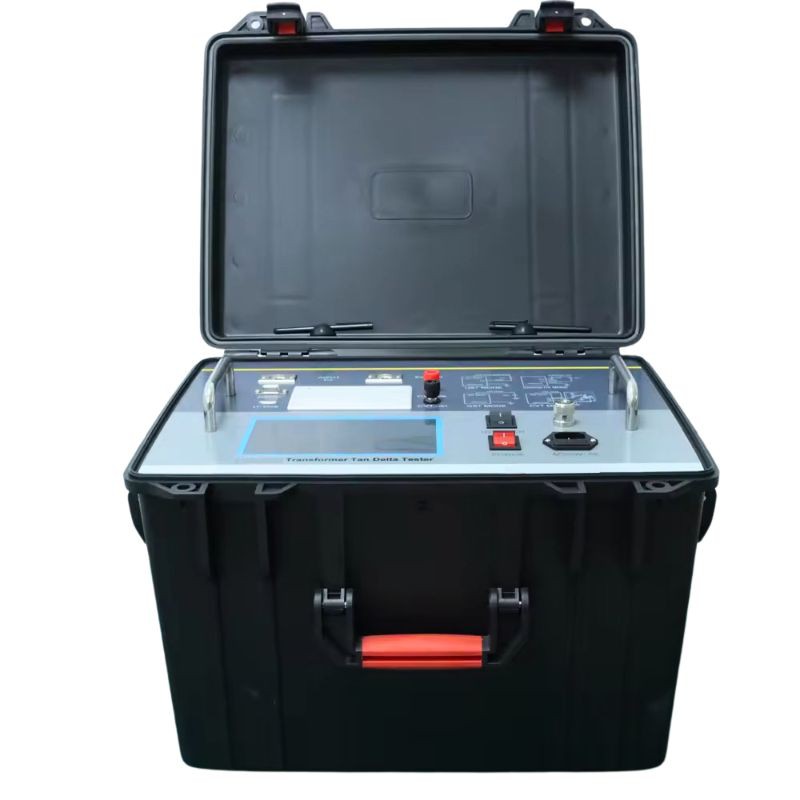
Storing transformer testing equipment correctly is vital for maintaining its accuracy, safety, and longevity. As a leading B2B manufacturer and supplier, Wrindu emphasizes proper storage solutions, especially for companies in China seeking OEM or wholesale options. This guide shares essential practices to ensure your equipment remains in top condition.
How Can Proper Storage Extend the Lifespan of Transformer Testing Equipment?
Proper storage prevents damage from moisture, dust, and temperature swings that can impair device functionality. Keeping equipment organized in protected environments helps maintain precision and readiness, reducing replacement costs and downtime.
Key tips for effective storage:
-
Store in a dry, climate-controlled environment.
-
Use protective cases or racks to prevent physical damage.
-
Frequently check storage conditions for humidity and cleanliness.
What Are the Best Storage Conditions for Transformer Testing Equipment?
Ideal conditions include controlled temperature, low humidity, and dust-free environments. Maintain temperatures between 10°C and 25°C with relative humidity below 60%, to prevent corrosion and damage to sensitive components. Good ventilation and pest control also help protect equipment.
Recommended environment standards:
| Factor | Level |
|---|---|
| Temperature | 10°C – 25°C |
| Humidity | Below 60% |
| Dust control | Clean, dust-free environment |
| Ventilation | Adequate airflow |
Calibration and maintenance remain important regardless of storage quality.
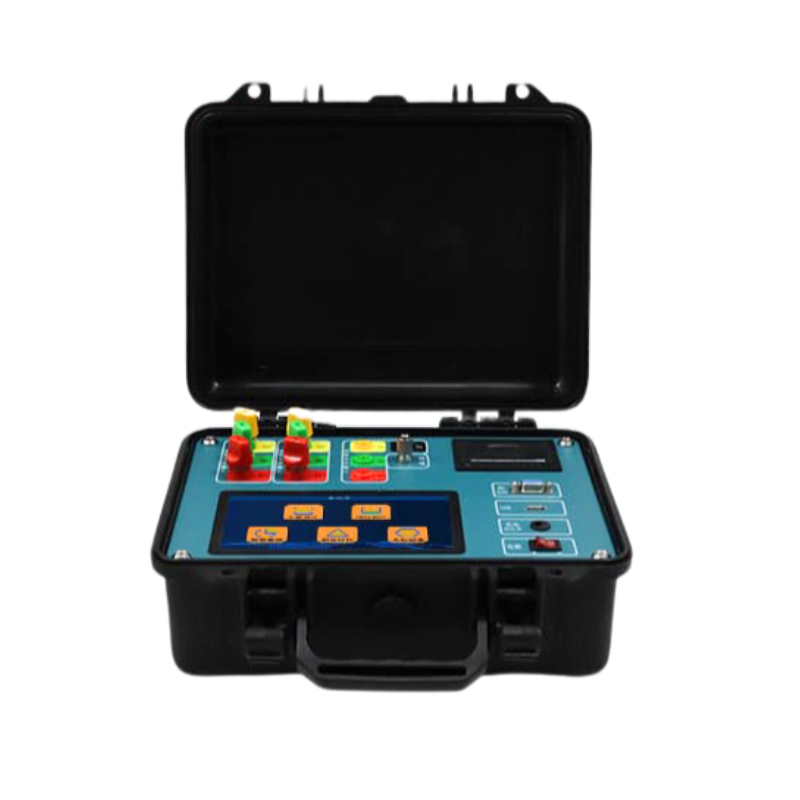
Who Should Be Responsible for Equipment Storage?
Technicians or warehouse managers with knowledge of transformer testing equipment should oversee storage. Following manufacturer guidelines, such as those from Wrindu, ensures correct handling for safety and accuracy.
Typical responsibilities:
-
Monitoring storage conditions.
-
Performing routine inspections.
-
Ensuring proper packaging and handling during transit.
Why Is Packaging Important for Transformer Testing Equipment?
Packaging safeguards equipment from physical impact, moisture, and contaminants during storage and shipment. Wrindu provides OEM and customized packaging solutions that protect sensitive testing devices, especially for shipments from China to global markets.
Packaging recommendations:
-
Use shock-absorbing materials.
-
Seal tightly to block dust and moisture.
-
Clearly label handling instructions.
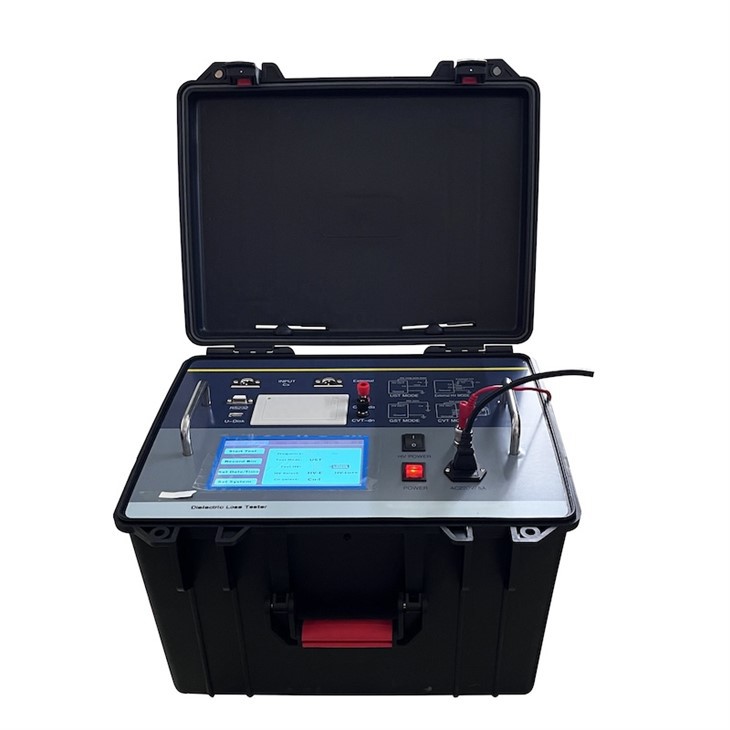
What Are the Common Storage Mistakes to Avoid?
Avoid exposing equipment to extreme temperatures, high humidity, or direct sunlight. Don’t stack equipment carelessly or overlook inspections, as these increase wear and reduce measurement accuracy.
Wrindu’s advice:
-
Store equipment in designated, climate-controlled areas.
-
Use custom racks designed for specific devices.
-
Maintain a regular inspection and maintenance routine.
How Do Chinese Manufacturers and Suppliers Support Proper Storage?
Leading Chinese factories like Wrindu offer tailored storage guidelines, packaging, and handling instructions. OEM and wholesale clients benefit from carefully packaged shipments and expert advice on optimal storage methods.
Advantages of partnering with suppliers like Wrindu:
-
Customizable packaging solutions.
-
Professional consultation on storage environment.
-
Secure and reliable delivery services.
Wrindu Expert Views
Proper storage is crucial for extending the life and maintaining the accuracy of transformer testing equipment. Wrindu provides comprehensive solutions, including climate-controlled storage and customized packaging, to meet global quality standards. This expertise helps clients worldwide protect their testing devices, reduce costs, and enhance operational safety.”
Conclusion
Maintaining transformer testing equipment in a stable environment, using proper packaging, and assigning responsible personnel are key to preserving performance and durability. Cooperation with reputable Chinese manufacturers like Wrindu ensures access to OEM, wholesale, and custom storage solutions that safeguard your investment.
FAQs
Q1: How often should transformer testing equipment be inspected during storage?
At least once every three months to check for moisture, dust, and physical damage.
Q2: Can improper storage affect calibration?
Yes, exposure to adverse conditions can cause calibration drift, affecting test accuracy.
Q3: How does Wrindu assist clients with storage?
By providing packaging, environmental advice, and ongoing support to keep equipment in optimal condition.
Q4: Are there special storage needs for high-voltage testing devices?
Yes, they require humidity-controlled, insulated storage to prevent degradation.
Q5: What factors matter when designing a warehouse for testing equipment?
Climate control, dust prevention, robust shelving, clear labeling, and easy inspection access.