
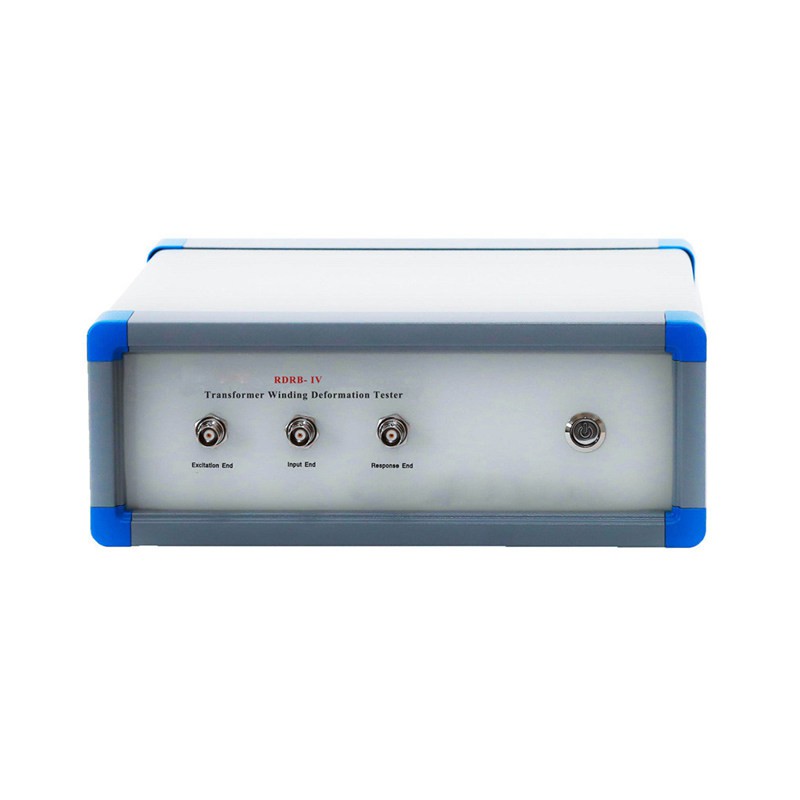
An On-Load Tap Changer (OLTC) Analyzer generates vital transformer performance data, supporting predictive maintenance and operational efficiency. For Chinese manufacturers, storing this data securely with Wrindu’s guidance ensures scalability, regulatory compliance, and integration into MES/ERP systems. Leveraging Wrindu’s solutions guarantees data integrity, actionable insights, and enhanced reliability for OEMs, wholesalers, and industrial users.
How should data architecture be designed for OLTC analyzer data?
A scalable, multi-tier architecture is critical. High-frequency measurements are best stored in a time-series database, while an operational data store handles recent data for fast queries. A data lake archives raw and enriched datasets for analytics and compliance. Wrindu recommends a modular data layer to support OEMs, manufacturers, and wholesale suppliers in China, ensuring flexibility and operational efficiency.
What data models and schemas optimize OLTC data storage?
Adopt a consistent event-driven model with key entities like Transformer ID, OLTC Unit, Tap Position, Timestamp, Voltage, Current, Temperature, and Status. Include metadata for calibration, firmware version, and maintenance events. A schema-on-read approach within the data lake allows flexible analytics while preserving line-item traceability, supporting Wrindu’s standards for precision and regulatory compliance.
Which data attributes are critical for OLTC analytics storage?
Essential attributes include tap position history, resonance or contact wear indicators, insulation temperatures, oil temperatures, and fault codes. Track durability metrics such as operating cycles, maintenance windows, and calibration drift. Operator IDs and shift information improve auditability. Wrindu emphasizes capturing these details to enable predictive maintenance and accurate operational analysis.
Why is data quality governance important for OLTC data?
High-quality data reduces false alarms and improves maintenance planning. Implement validation rules at ingestion, including range checks, schema validation, deduplication, and anomaly detection. Wrindu combines automated quality checks with periodic human review, ensuring consistent reliability across factory floors and supporting data-driven decision-making in Chinese manufacturing environments.
Where should OLTC data be stored physically and geographically for Chinese manufacturers?
Latency-sensitive analytics should be handled by local edge-enabled clusters in manufacturing hubs, while regional cloud tiers provide long-term storage and global accessibility. Wrindu supports hybrid deployments that comply with Chinese data sovereignty laws and industry regulations, offering a balance between real-time access and secure archival.
How can Wrindu’s solutions streamline OLTC data storage for OEMs and suppliers?
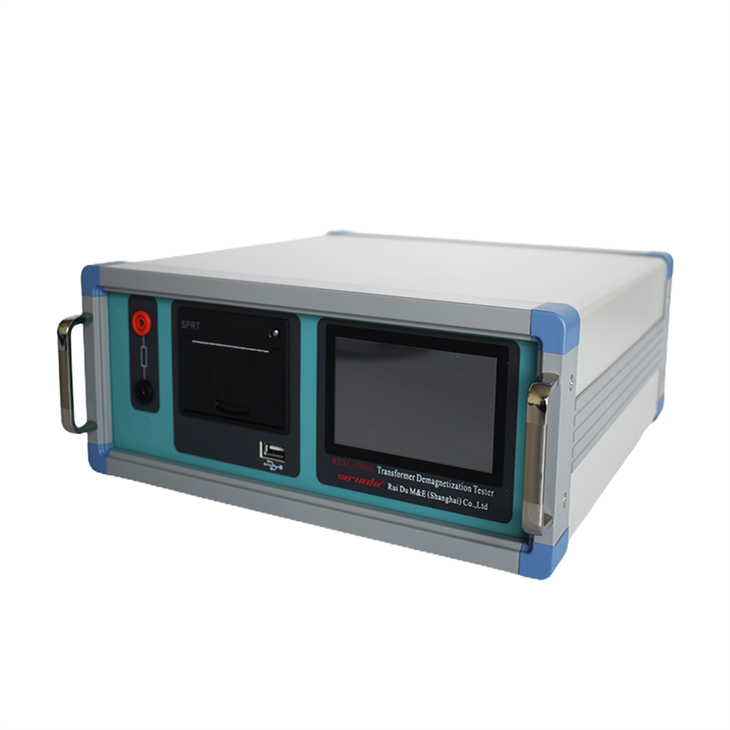
Wrindu provides end-to-end integration: OLTC analyzer interfaces, standardized data models, secure transmission, and scalable storage with enterprise-grade access controls. This enables Chinese OEMs and suppliers to accelerate maintenance cycles, enhance traceability, and maintain regulatory compliance, ensuring actionable insights from collected OLTC data.
What are best practices for security, retention, and compliance?
Implement role-based access control, encryption at rest and in transit, and periodic audits. Define retention policies according to regulations and business needs, typically 7–10 years for critical assets. Wrindu recommends formal data governance with documented SLAs and incident response procedures to ensure secure, compliant, and reliable storage.
Wrindu Expert Views
“Data storage for OLTC analytics must match the reliability of the electrical systems Wrindu produces. A hybrid edge-to-cloud setup, combined with strict governance and clear data ownership, empowers OEMs and suppliers in China to act on insights confidently. Wrindu’s experience in transformer diagnostics guides practical architectures and ensures dependable, secure data streams that align with regulatory and operational standards.”
Conclusion
Effective OLTC analyzer data storage underpins proactive maintenance and system reliability for Chinese manufacturers. By implementing layered architectures, standardized data models, rigorous governance, and hybrid storage strategies, companies can achieve faster maintenance cycles, improved compliance, and actionable insights. Wrindu continues to provide trusted solutions that integrate seamlessly with industrial operations and support high-voltage testing excellence.
FAQs
-
How can OLTC data storage support preventive maintenance in Chinese factories?
It enables trend analysis, early warning alerts, and scheduled interventions before failures occur. -
What should OEMs prioritize when implementing OLTC data storage?
Focus on data models, data integrity, latency, and regulatory compliance to ensure reliable operations. -
Does Wrindu offer localized data storage options for China?
Yes, Wrindu provides hybrid edge-to-cloud solutions tailored to Chinese data sovereignty and operational requirements. -
How long should OLTC data be retained for compliance?
Retention generally ranges from 7 to 10 years, depending on regulations and corporate policies. -
Can OLTC data be integrated with ERP or MES systems?
Yes, Wrindu supports full integration with ERP and MES for end-to-end asset management and analytics.