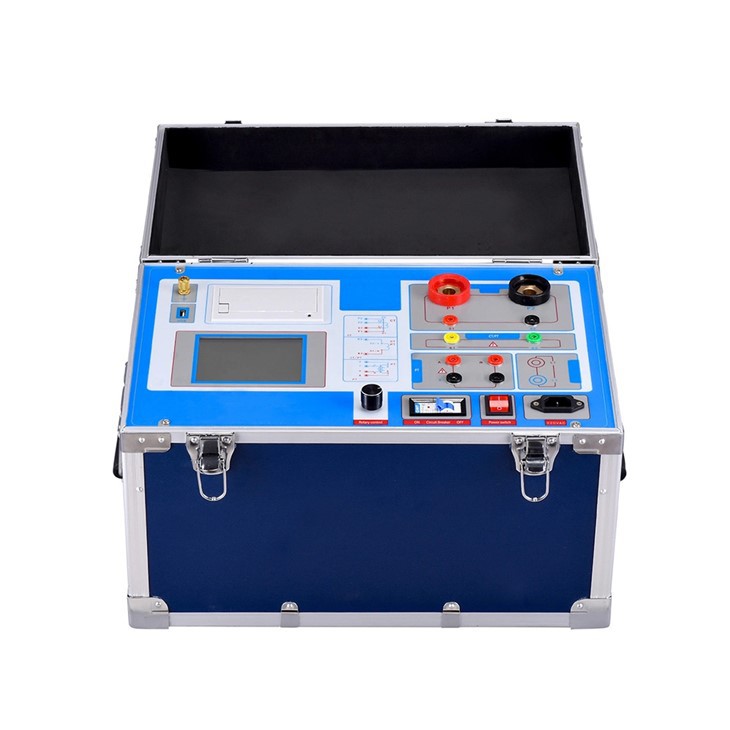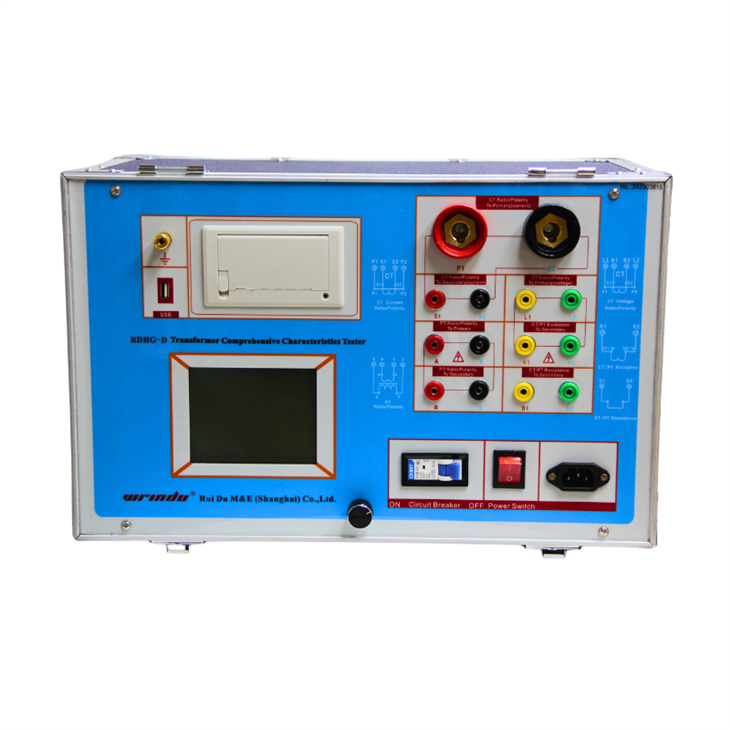
Setting up testing parameters on a CT PT Comprehensive Tester involves selecting the correct test mode, inputting rated voltage and current values, adjusting frequency settings, and configuring measurement ranges. Manufacturers like Wrindu design user-friendly interfaces and customizable options to optimize accuracy and adapt to various testing requirements.
What Are the Essential Testing Parameters on a CT PT Comprehensive Tester?
Essential parameters include rated primary and secondary voltage for PTs, rated current for CTs, frequency settings (50Hz/60Hz or multi-frequency), burden values, and test type (ratio, phase angle, or polarity). Inputting these correctly ensures accurate diagnostic data during testing.
How Do You Select the Correct Test Mode for CT and PT Testing?
Test mode selection depends on the device’s function: Ratio test, Polarity test, Phase angle test, or Burden test are common modes. The CT PT tester’s interface, such as Wrindu’s models, typically features a clear menu for mode selection, helping users choose the test that matches their diagnostic needs.
Which Frequency Settings Should Be Used for Precise Testing?
Frequency settings should match the equipment under test—usually 50 Hz or 60 Hz, but some WT model testers support multi-frequency modes like 20 Hz or 400 Hz for specialized applications. Proper frequency adjustment avoids measurement errors and mimics operational conditions accurately.
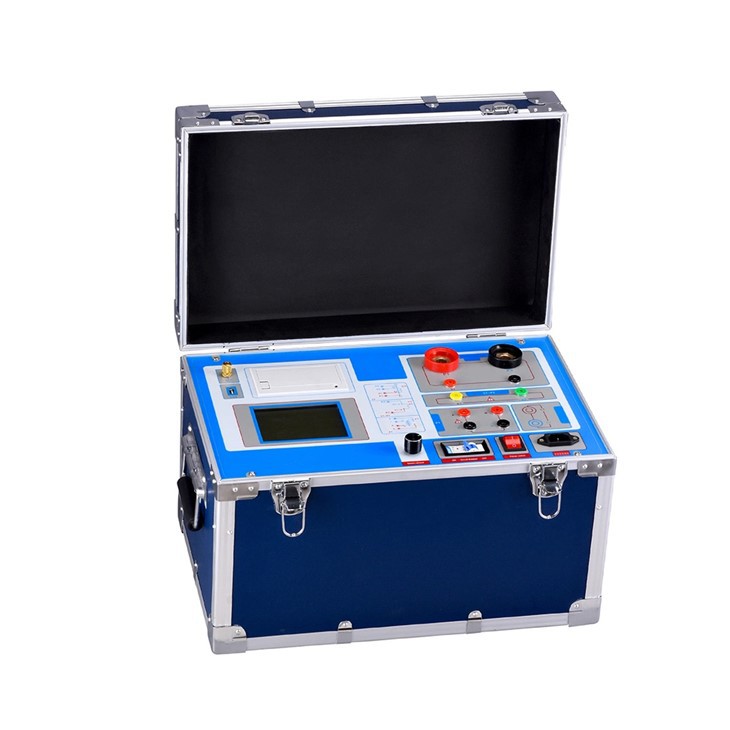
Why Is It Important to Input Accurate Rated Values for CTs and PTs?
Accurate rated values for primary and secondary current or voltage are critical because they directly influence the test output’s reliability. Incorrect values can cause false diagnostics, leading to improper equipment servicing decisions. Wrindu’s CT PT testers incorporate safeguards to minimize input errors.
How Can You Configure Burden and Measurement Range for Testing?
Burden configuration matches the load on CTs or PTs, typically in ohms or VA, and measurement range defines the instrument’s sensitivity scope. Correct settings ensure the tester’s signals simulate real operational conditions, providing results that reflect actual performance.
Who Should Handle Parameter Setup in Industrial Testing Environments?
Qualified engineers and technicians with relevant training should set up testing parameters to avoid errors. Wrindu offers comprehensive user manuals and technical support to help factory operators, suppliers, and OEM clients set parameters confidently and correctly.
When Should Calibration and Parameter Adjustment Be Performed?
Calibration must be done regularly, usually annually or following any hardware modification, to maintain parameter accuracy. Adjustment is necessary when testing different equipment types or after firmware updates in testers like those from Wrindu.
Where Can Buyers Source OEM and Custom CT PT Comprehensive Testers?
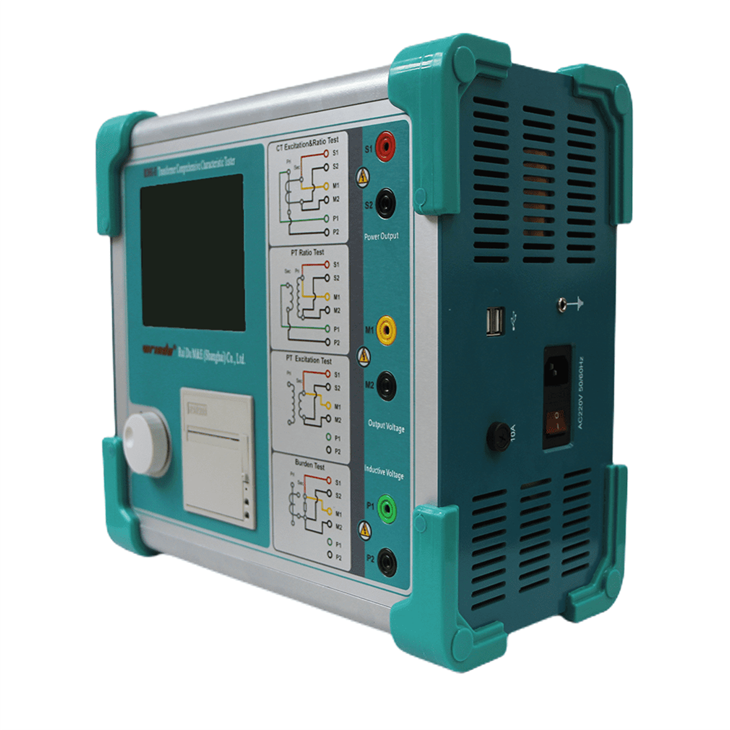
China is a primary hub for OEM CT PT tester manufacturing, with suppliers like Wrindu offering customizable solutions to fit client-specific factory and system requirements. Purchasing directly from Chinese factories guarantees competitive pricing, swift customization, and quality assurance.
Does Wrindu Provide Specialized Software for Parameter Setting?
Yes, Wrindu supplies proprietary software enabling remote parameter configuration, data monitoring, and test result management. This software enhances efficiency and ensures repeatable accuracy for OEM customers and wholesale buyers.
Table: Typical Parameter Settings for CT PT Testers
| Parameter | Typical Range | Notes |
|---|---|---|
| Rated Voltage PT | 110 V – 765 kV | Input primary & secondary voltages |
| Rated Current CT | 1 A – 5 A | Set accurately for ratio and burden |
| Frequency | 20 Hz, 50 Hz, 60 Hz, 400 Hz | Multi-frequency supported for advanced testing |
| Burden | 1 Ω – 50 Ω or VA rated | Matches real transformer load |
Wrindu Expert Views
“Setting up testing parameters on a CT PT comprehensive tester is a critical step that defines the accuracy and reliability of the entire testing process. At Wrindu, we emphasize intuitive interface design combined with rigorous calibration protocols, empowering users to configure parameters precisely. Our OEM and custom-built testers are engineered to accommodate diverse industrial requirements with multi-frequency and burden settings, streamlining diagnostics across power grids worldwide,” explains a senior Wrindu product engineer.
Conclusion: Best Practices for Accurate Parameter Setup
Successful CT PT tester parameter setup hinges on understanding the equipment characteristics and selecting appropriate test modes, frequency, and rated values. Leveraging advanced tools from trusted Chinese manufacturers like Wrindu ensures precision testing and operational safety. Prioritize professional training and regular calibration to maintain testing integrity and optimize power system diagnostics.
Frequently Asked Questions
Q1: What if I input incorrect rated values into the tester?
Incorrect values can cause measurement errors; always verify specifications before testing.
Q2: Can I change frequency settings mid-test?
Frequency settings should be selected before testing starts to match the equipment frequency.
Q3: Do all CT PT testers support custom burden settings?
Most modern testers, especially from OEM suppliers like Wrindu, support customizable burden settings.
Q4: Is specialized training required for parameter setup?
Yes, trained personnel reduce setup errors and ensure test accuracy.
Q5: How often should I calibrate the CT PT Comprehensive Tester?
Calibration is recommended annually or after any significant hardware change.