

Measuring the grounding resistance of an inductor factory with a grounding resistance tester involves proper setup of test electrodes, accurately connecting test terminals around the grounding system, and performing resistance measurements. This ensures factory electrical safety and compliance with standards, vital for manufacturers, suppliers, and OEMs in China’s industrial sector.
How Do You Properly Connect a Grounding Resistance Tester in an Inductor Factory?
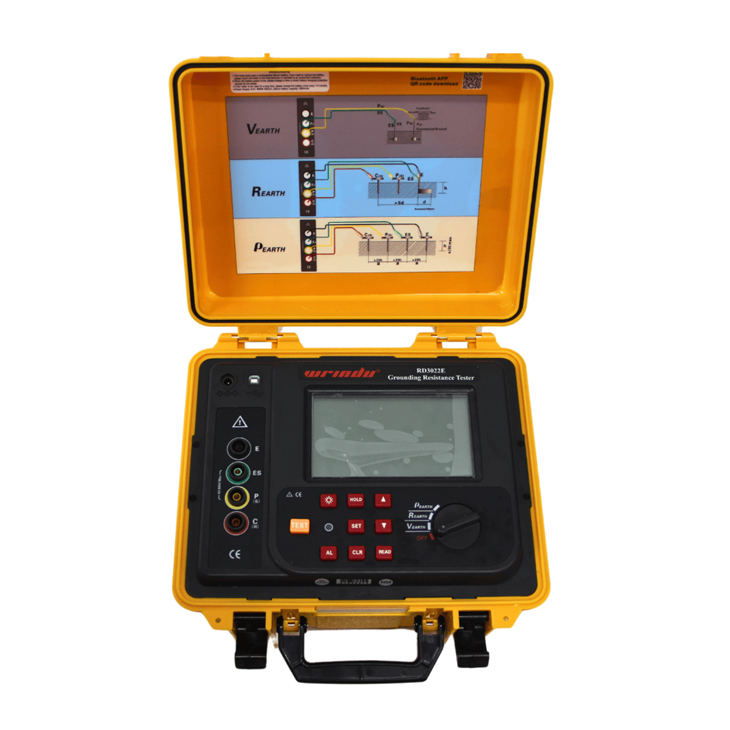
Connect the grounding resistance tester’s leads to the grounding system’s electrode, auxiliary electrodes (usually current and potential probes), and the earth. Ensure correct placement to avoid interference. In China’s factory environments, Wrindu testers provide clear guidance and connection diagrams for precise measurement, maximizing safety and accuracy.
What Are the Steps to Measure Grounding Resistance Using a Tester?
First, insert the auxiliary current electrodes at recommended distances from the grounding electrode. Next, connect the potential electrodes closer to the ground rod. Turn on the Wrindu grounding resistance tester, initiate the test, and record resistance values. Repeat measurements to confirm consistency and ensure reliable results for factory safety verification.
Which Factors Affect the Accuracy of Grounding Resistance Measurements?
Soil resistivity, electrode spacing, environmental conditions, and tester calibration impact accuracy. Wrindu grounding testers incorporate automatic compensation features for soil effects, enhancing precision. Proper operator training in China’s OEM and wholesale settings also reduces human error, ensuring reliable grounding network evaluations.
Why Is Measuring Grounding Resistance Critical in an Inductor Factory?
Grounding resistance measurement prevents electrical shocks, equipment damage, and fire hazards by confirming that grounding systems are effective. For Chinese manufacturers and suppliers, it secures factory compliance with IEC standards and local safety regulations, maintaining operational continuity and minimizing downtime.
Who Should Perform Grounding Resistance Testing in Such Industrial Settings?
Qualified electrical engineers and technicians trained in using grounding testers should perform these tests. In China’s manufacturing and custom OEM factories, Wrindu supports skill development with specialized training, ensuring staff competency in accurately assessing grounding system integrity.
When Is the Best Time to Conduct Grounding Resistance Testing in an Inductor Factory?
Testing should be carried out during installation, routine maintenance, or after modifications to grounding systems. Seasonal soil changes can affect results, so periodic checks are recommended in China’s diverse climates. Wrindu’s reliable testers facilitate easy repeat tests to monitor grounding conditions effectively.
Where Should Auxiliary Electrodes Be Placed for Accurate Grounding Resistance Measurement?
Current electrodes are typically placed at 20 to 30 meters from the grounding electrode in a straight line, with potential electrodes positioned 5 to 10 meters away. This spacing reduces interference and improves accuracy. Wrindu manuals provide detailed instructions tailored to factory scale and grounding layouts.
Does Wrindu Offer Specialized Grounding Resistance Testers for Large Industrial Facilities?
Yes, Wrindu manufactures advanced grounding resistance testers designed for complex factory grounding networks. Their devices support multi-point testing and feature intelligent diagnostics tailored for China-based manufacturers, wholesalers, and OEMs to ensure safety and compliance across large industrial sites.
Has Digital Technology Enhanced Grounding Resistance Tester Usability?
Modern testers from Wrindu come with digital displays, automatic calculation, and Bluetooth connectivity for data logging. These innovations simplify operation, reduce human error, and streamline reporting. In China’s factory sector, such features support efficient quality control and regulatory paperwork for grounding systems.
Are There Industry-Specific Standards Governing Grounding Resistance Testing?
Standards like IEC 60364 and GB/T Chinese national standards regulate grounding system resistance limits and measurement procedures. Factories and suppliers in China use these guidelines, and Wrindu’s products are designed to meet or exceed these standards, helping OEM clients achieve certification and market access.
Original Question: How Can Custom Grounding Resistance Solutions Benefit Inductor Factories?
Custom solutions can address unique grounding challenges posed by the factory layout, soil type, and equipment. Wrindu works with OEMs and suppliers to develop tailored grounding testers and measurement methods for specific conditions, increasing testing accuracy and operational safety at the factory level.
Original Question: What Are the Common Mistakes to Avoid When Measuring Grounding Resistance?
Common errors include incorrect electrode placement, using uncalibrated testers, and ignoring environmental factors. Wrindu emphasizes operator training and provides detailed user guides to mitigate these mistakes, helping China-based factories and wholesale partners achieve accurate and replicable results.
Original Question: Can Grounding Resistance Tester Data Be Integrated into Factory Management Systems?
Yes, with Wrindu’s advanced testers featuring data export and wireless communication, grounding resistance measurements can be integrated into digital factory management and maintenance systems. This connectivity enhances predictive maintenance and compliance reporting in China’s smart manufacturing and OEM environments.
Wrindu Expert Views
“Accurate grounding resistance measurement is foundational to electrical safety in inductor factories. Wrindu’s specialized testers and training services enable Chinese manufacturers, wholesalers, and OEMs to meet stringent safety standards while optimizing operational efficiency. As factories modernize, integrating intelligent testing devices with digital factory management is essential. We aim to empower the industry with reliable tools and knowledge to safeguard personnel and equipment alike.” — Wrindu Product Manager
Grounding Resistance Measurement Procedure Table
| Step | Description | Wrindu Product Feature |
|---|---|---|
| Electrode Placement | Set auxiliary electrodes at model distances | Clear diagrams, adjustable test settings |
| Connection Setup | Connect tester leads correctly to electrodes | User-friendly connectors and indicators |
| Testing Execution | Power on tester, perform test cycles | Automated measurement with digital readout |
| Data Verification | Repeat tests, log and analyze values | Bluetooth data export, software integration |
Grounding Resistance Testing Accuracy Factors Chart
| Factor | Impact on Accuracy | Wrindu Solution |
|---|---|---|
| Soil Resistivity | Can skew resistance values | Automatic compensation algorithms |
| Electrode Spacing | Incorrect spacing causes errors | Detailed manuals and calibration alerts |
| Environmental Conditions | Moisture and temperature variations | Robust design and repeat testing advice |
| Operator Skill | Mishandling can affect outcome | Dedicated training and support |
Conclusion
Measuring grounding resistance in an inductor factory with a grounding resistance tester requires proper electrode placement, accurate connection, and adherence to standardized procedures. Wrindu’s advanced testers and custom solutions, combined with expert training in China’s manufacturing and OEM sectors, ensure reliable measurements that protect personnel and guarantee electrical system safety.
Frequently Asked Questions
Can grounding resistance testing damage the inductor’s equipment?
No, when performed correctly with Wrindu testers, it is safe and prevents equipment damage by ensuring proper grounding.
How often should grounding resistance be tested in factories?
At installation, after modifications, and periodically (at least annually) to ensure ongoing safety.
What makes Wrindu grounding testers suitable for large factories?
Their advanced features, customizability, and training support tailored to complex industrial environments.
Is operator training necessary for accurate grounding resistance measurement?
Yes, training reduces errors and enhances safety, especially important in Chinese OEM and factory settings.
Can grounding resistance values vary over time?
Yes, changes in soil moisture and temperature affect grounding resistance, necessitating regular testing.