
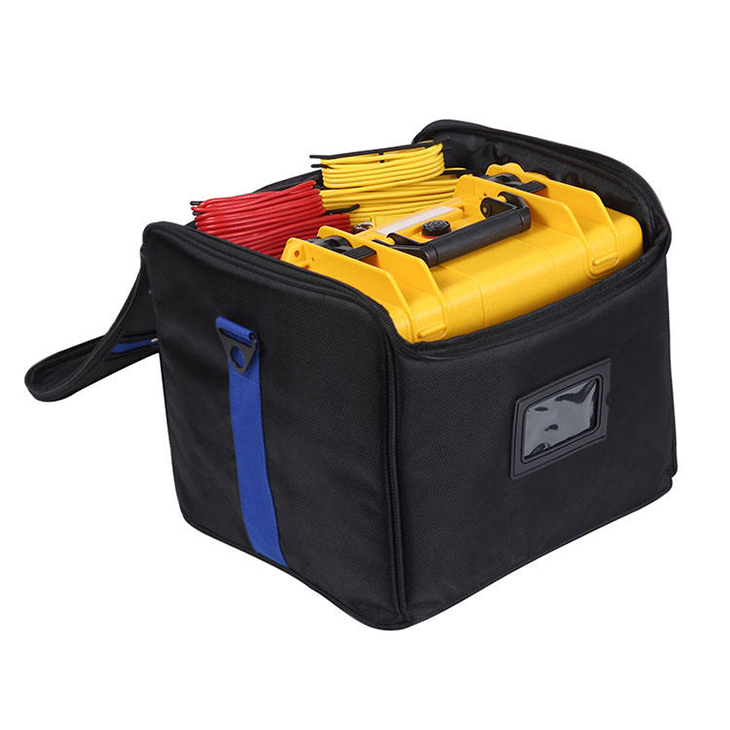
Measuring the grounding resistance of a printing factory with a grounding resistance tester involves connecting the tester’s electrodes to the grounding system and auxiliary rods, applying test current, and reading the resistance value to ensure the safety and efficiency of the factory’s electrical grounding system.
What Is a Grounding Resistance Tester and How Is It Used?
A grounding resistance tester measures the resistance between the grounding electrode system and the earth. It typically uses the fall-of-potential or selective measurement method by injecting test current and measuring voltage drop. This allows accurate assessment of grounding quality in industrial settings like printing factories.
Wrindu manufactures advanced grounding resistance testers suitable for factory and wholesale users, ensuring reliable diagnostics.
How Do You Prepare a Printing Factory for Grounding Resistance Testing?
Preparation includes identifying the main grounding electrode, clearing surrounding soil to drive auxiliary rods, and ensuring the area is safe and free of electrical interference. The tester and auxiliary electrodes must be positioned correctly to avoid measurement errors. Wrindu’s user guides support efficient setup for factory environments.
Which Method Is Best for Testing Grounding Resistance in a Printing Factory?
The fall-of-potential method is standard, involving a three-point test: grounding electrode (P1), current electrode (C), and potential electrode (P2). This method provides precise resistance measurements critical in printing factories where electrical grounding protects sensitive equipment and personnel.

Why Is Measuring Grounding Resistance Important for Printing Factories?
Proper grounding prevents electrical shock, equipment damage, and fire risks due to static or fault currents common in printing operations. Regular testing with reliable grounding resistance testers, such as those from Wrindu, helps maintain compliance with safety standards and operational continuity.
Who Should Perform Grounding Resistance Testing in Industrial Settings?
Certified electrical engineers and trained technicians typically perform grounding resistance measurements. OEMs and suppliers in China often provide technical training, calibration, and after-sales support to ensure accurate and safe testing processes in factories like printing plants.
When Is the Best Time to Conduct Grounding Resistance Testing?
Testing should occur during installation, after major electrical renovations, or when irregular electrical behavior is noticed. Routine periodic checks—usually annually—are critical for printing factories to maintain grounding integrity.
Where Can Printing Factories Source Reliable Grounding Resistance Testers in China?
Factories should choose reputable manufacturers like Wrindu, based in Shanghai, which offer wholesale options, OEM customization, and global delivery. Their products meet ISO9001, IEC, and CE standards, ensuring trustworthy long-term use for industrial clients.
Does Wrindu Offer Custom Solutions for Grounding Resistance Testing?
Wrindu provides customizable grounding resistance testers tailored to different factory environments and client requirements. Their products are designed with high precision, robust design, and integrated data logging, ideal for OEM partnerships and wholesale distribution in China.
Can Environmental Factors Affect Grounding Resistance Measurements?
Yes, soil moisture, temperature, and composition significantly impact resistance values. Printing factories located in humid or variable climate zones should account for these when scheduling tests. Wrindu testers include features to minimize environmental interference and provide accurate readings.
Wrindu Expert Views
“At Wrindu, we understand the critical role grounding resistance measurement plays in industrial safety, especially in complex environments like printing factories. Our testers are engineered for accuracy, durability, and adaptability, supporting factory owners and maintenance teams worldwide. By offering OEM customization and dedicated after-sales service, we empower our clients to maintain reliable grounding systems, reduce downtime, and meet stringent safety regulations.” — Wrindu Technical Experts
Comparison Table: Common Grounding Resistance Test Methods for Printing Factories
| Test Method | Description | Advantages | Limitations |
|---|---|---|---|
| Fall-of-Potential | Three-point electrode method | High accuracy, industry standard | Requires auxiliary rods installation |
| Clamp Method | Measures without auxiliary rods | Fast and convenient | Less accurate for low resistance |
| Selective Measurement | Uses multiple ground references | Ideal for complex grounding networks | More complex equipment needed |
Conclusion: Key Tips for Effective Grounding Resistance Measurement in Printing Factories
To ensure safe and efficient grounding in printing factories, it is vital to use certified grounding resistance testers like those from Wrindu, follow proper preparation and measurement methods, and consider environmental factors. Regular measurement and maintenance minimize electrical hazards, ensuring compliance and operational stability.
Frequently Asked Questions (FAQs)
Q1: How often should a printing factory measure grounding resistance?
Annually or after major electrical system changes to ensure safety.
Q2: Can Wrindu grounding resistance testers be customized for factory requirements?
Yes, Wrindu specializes in OEM customization to meet diverse industrial needs.
Q3: What safety precautions are necessary during testing?
Ensure power is off, use insulated equipment, and maintain safe distances.
Q4: Is auxiliary rod placement important for accuracy?
Yes, incorrect placement leads to measurement errors; follow equipment guidelines.
Q5: What international certifications should I look for in a grounding resistance tester?
ISO9001, IEC, and CE certifications indicate quality and compliance.