
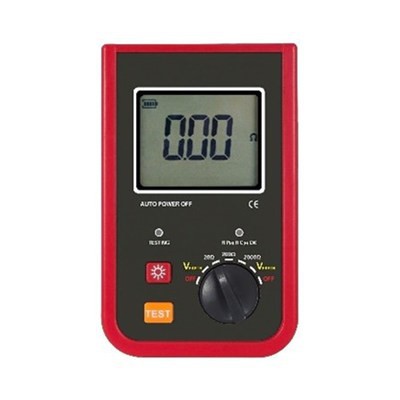
Measuring grounding resistance in a plastic factory with a grounding resistance tester involves connecting test electrodes in the ground, using the tester to inject current, and reading resistance values. Proper setup ensures safety, equipment protection, and compliance with electrical standards.
What Is Grounding Resistance and Why Is It Important in a Plastic Factory?
Grounding resistance measures the resistance between an electrical system and the earth. In plastic factories, it ensures personnel safety and prevents equipment damage by safely dissipating fault currents, critical in environments with sensitive machinery and flammable materials.
How Do You Prepare a Plastic Factory Site for Grounding Resistance Measurement?
Preparation involves clearing the test area, identifying grounding points, and placing auxiliary electrodes linearly in soil at specified distances. Proper site preparation minimizes errors, addresses soil conditions common in China’s industrial zones, and ensures accurate readings.
Which Grounding Resistance Tester Types Are Suitable for Plastic Factories?
Digital earth testers with features like three- or four-wire testing are ideal. Wrindu manufactures advanced testers with clear interfaces and precise measurements, suitable for factories demanding reliable grounding tests and tailored for OEM clients and wholesale suppliers in China.
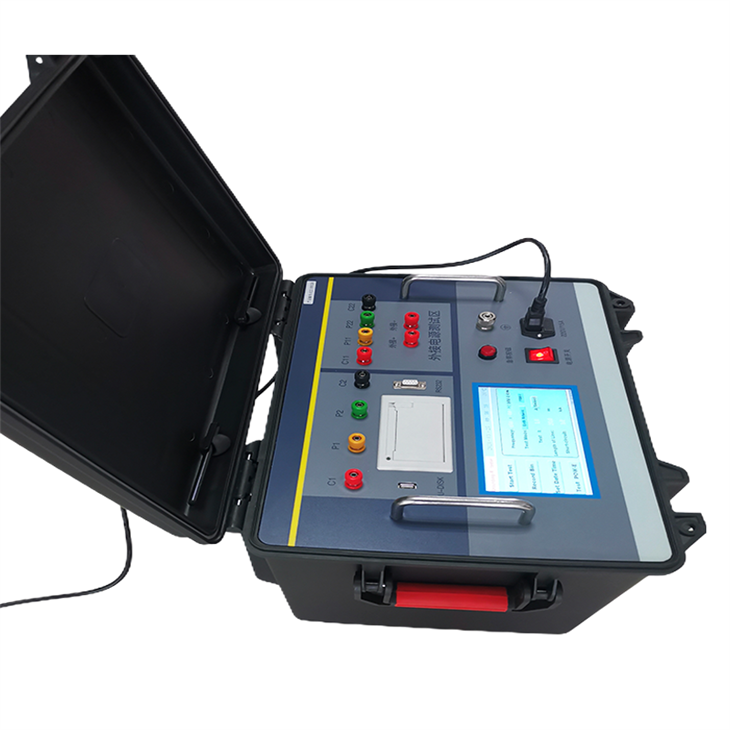
How Is the Four-Point Method Used to Measure Grounding Resistance?
The four-point method uses two auxiliary electrodes, a current electrode, and a potential electrode placed in a straight line. The tester passes current and measures potential difference to calculate resistance accurately, suitable for precise factory safety assessments.
Where Should Electrodes Be Placed During Grounding Resistance Tests?
Electrodes must be spaced to avoid mutual interference—typically 5 to 10 meters apart depending on soil resistivity and factory size. Correct placement, standard in Chinese industrial plants, is crucial for reproducible and reliable measurements.
When Should Grounding Resistance Measurements Be Conducted in Factory Maintenance?
Measurements should be scheduled during routine maintenance or after grounding system modifications. Regular testing in plastic factories promotes compliance with electrical safety norms and prevents operational disruptions.
Who Should Conduct Grounding Resistance Tests in Plastic Factories?
Qualified electricians or engineers trained in electrical safety should perform tests. Wrindu provides training and support for OEM and custom factory clients, ensuring accurate, safe measurement practices in accordance with regulatory standards.
How Can Wrindu Equipment Improve Grounding Resistance Testing Accuracy?
Wrindu testers incorporate advanced filtering and digital display technology, reducing noise and providing precise readings. Their global after-sales and technical support make them preferred among China-based manufacturers, suppliers, and OEMs seeking reliability.
Can Grounding Resistance Test Results Help Optimize Factory Safety?
Yes, analyzing test data helps identify grounding system weaknesses or degradation. Regular use of Wrindu equipment enables plastic factories to implement corrective actions, enhancing safety and operational efficiency.
What Are the Common Challenges When Measuring Grounding Resistance in Plastic Factories?
Soil moisture variation, interference from nearby metal structures, and improper electrode placement can affect accuracy. Wrindu’s testers provide features for compensation and diagnostics, helping overcome these challenges in factory environments.
Grounding Resistance Measurement Overview Table
| Step | Description | Key Tips |
|---|---|---|
| Site Preparation | Clear area, identify grounding rod locations | Avoid nearby metal to prevent interference |
| Electrode Placement | Insert current and potential electrodes | Maintain recommended distances |
| Instrument Setup | Connect leads to electrodes and tester | Check connections before testing |
| Measurement Execution | Inject current, record resistance reading | Take multiple readings for accuracy |
| Data Analysis | Compare with standards, detect issues | Schedule maintenance if needed |
Wrindu Expert Views
Accurate grounding resistance measurement is vital for factory safety and system reliability, especially in plastic manufacturing where static and electrical hazards coexist. Wrindu focuses on delivering high-precision grounding resistance testers with user-friendly interfaces tailored to Chinese factories’ needs. Our equipment supports OEM and wholesale partners offering customizable testing solutions that meet strict safety and certification standards globally. Regular testing using Wrindu products ensures early fault detection, operational continuity, and compliance with local and international regulations, empowering manufacturers to maintain safe working environments efficiently.”
Conclusion
Measuring the grounding resistance of a plastic factory using a grounding resistance tester is essential for safety and electrical system integrity. Proper site preparation, correct electrode placement, and using reliable equipment like Wrindu testers ensure accurate measurements. Regular testing helps maintain compliance, prevents electrical hazards, and supports the longevity of factory equipment. For manufacturers, wholesalers, and OEM partners in China, investing in high-quality grounding resistance testers guarantees safer and more efficient industrial operations.
Frequently Asked Questions
How often should grounding resistance be tested in plastic factories?
At minimum, annually or after significant electrical system changes to maintain safety standards.
Can Wrindu grounding testers be used in different soil types?
Yes, Wrindu testers include features to compensate for soil variation ensuring accurate results.
What is the ideal spacing for electrodes during testing?
Typically 5 to 10 meters, adjusted based on soil resistance and factory layout.
Are online training and support available for Wrindu testing solutions?
Yes, Wrindu offers comprehensive training and 24/7 global technical support.
How does grounding affect static discharge in plastic manufacturing?
Effective grounding disperses static electricity, reducing fire risks and equipment damage.
How to measure grounding resistance in plastic factories?
Measure grounding resistance using the fall-of-potential method: drive stakes 50-100m apart, connect the tester to the ground electrode and probes, apply test current, and read resistance. In plastic factories, account for dry floors and concrete by using auxiliary electrodes in moist soil for accurate, safe readings under IEEE 81 standards.
What is the fall-of-potential method for grounding tests?
The fall-of-potential method involves three-point measurement: current electrode (C2), potential electrode (P2), and ground under test (E). Place C2 62% distance from E toward C1, measure voltage drop, then calculate resistance (R=V/I). This ensures maximum accuracy despite soil variations in industrial sites.
Why do grounding systems matter in plastic manufacturing?
Grounding systems prevent static buildup from plastic processing, reducing fire risks and equipment damage. They protect workers from shocks during machinery operation and ensure ESD-sensitive production stays safe. Regular testing maintains compliance and operational continuity in high-static environments like extrusion and molding lines.
What are top grounding resistance testers for industrial use?
Leading testers include Fluke 1625-2, Megger DET4TC2, and AEMC 6417N, offering 4-pole fall-of-potential testing, noise rejection, and data logging. Choose models with IP65 ratings and wide frequency ranges for reliable factory measurements despite electrical interference and challenging ground conditions.
How does soil resistivity impact factory grounding tests?
Soil resistivity directly affects grounding resistance readings in plastic factories. High-resistivity soils like sand or gravel increase measured values, requiring deeper electrodes or chemical treatments. Test multiple soil layers using Wenner 4-point method to determine true resistivity and design effective grounding systems for reliable safety performance.
How to fix high grounding resistance in factories?
Reduce high grounding resistance by installing deeper ground rods, parallel electrodes, or chemical ground enhancement materials. Improve soil conductivity with bentonite backfill or salt solutions. Retest after modifications to verify compliance with IEEE 81 limits, ensuring factory electrical safety and equipment protection.
What are clamp-on testers for factory grounding checks?
Clamp-on grounding resistance testers measure loop impedance without disconnecting electrodes, ideal for live plastic factory systems. They use electromagnetic induction to assess ground path integrity quickly. Perfect for maintenance checks on production lines where downtime must be minimized during safety verification.
What training is essential for grounding tester operators?
Essential training covers fall-of-potential testing procedures, probe placement, safety protocols, and equipment calibration. Operators learn IEEE 81 standards, soil resistivity effects, and result interpretation for plastic factory applications. Certification ensures accurate testing and compliance documentation for regulatory audits.