
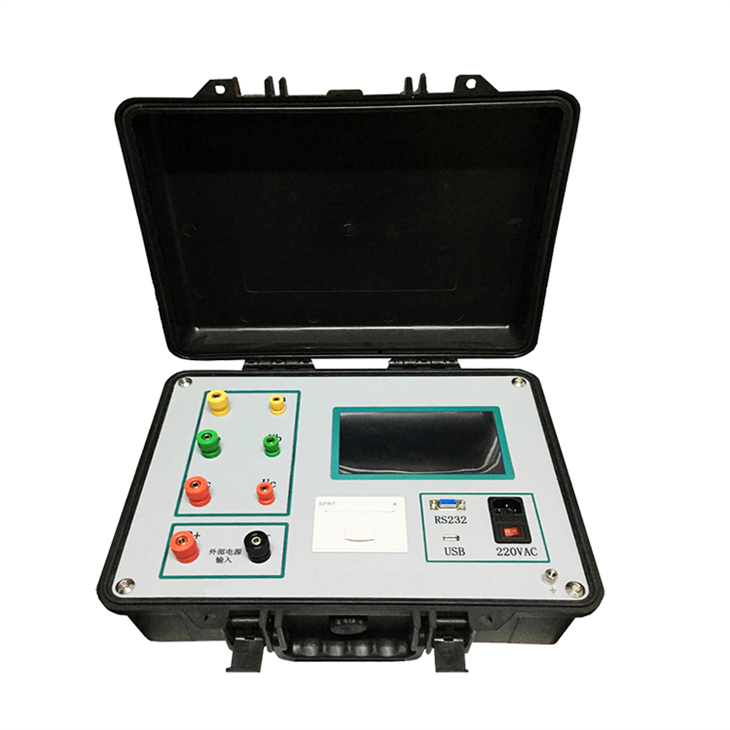
Ensuring the security of data collected by a transformer testing device involves using encrypted communication protocols, secure data storage, user authentication, and regular software updates. China-based manufacturers like Wrindu implement these best practices to safeguard critical testing data, ensuring compliance with industry standards and protecting sensitive information from cyber threats and unauthorized access.
How Does Data Encryption Protect Transformer Testing Device Data?
Data encryption converts test information into a secure code during transmission and storage to prevent unauthorized access. Wrindu ensures that all data handled by its transformer testing devices is encrypted using advanced algorithms, protecting sensitive measurement results from interception or tampering in the factory’s OEM and custom solutions.
What Are the Best Practices for Secure Data Storage in Transformer Testing Devices?
Secure storage requires the use of encrypted databases, restricted access, and regular backups. Chinese suppliers like Wrindu integrate hardware-level security features and cloud syncing with secure protocols, ensuring that recorded test data is stored safely in both physical devices and remote servers, preventing loss or data breaches.
Which User Authentication Methods Are Essential for Data Security?
Strong user authentication methods including multi-factor authentication (MFA), biometric verification, and password policies restrict access to transformer testing device data. Wrindu’s products incorporate role-based access control systems, enabling manufacturers and wholesale suppliers to customize security levels according to client requirements, fortifying the protection of test results.
Why Is Regular Firmware and Software Update Important for Data Security?
Regular updates patch known vulnerabilities, improve encryption, and add new security features to the testing devices. OEM factories like Wrindu support scheduled updates and remote firmware upgrades to keep devices resilient against evolving cyber threats, ensuring compliance and uninterrupted data integrity in electrical testing environments.
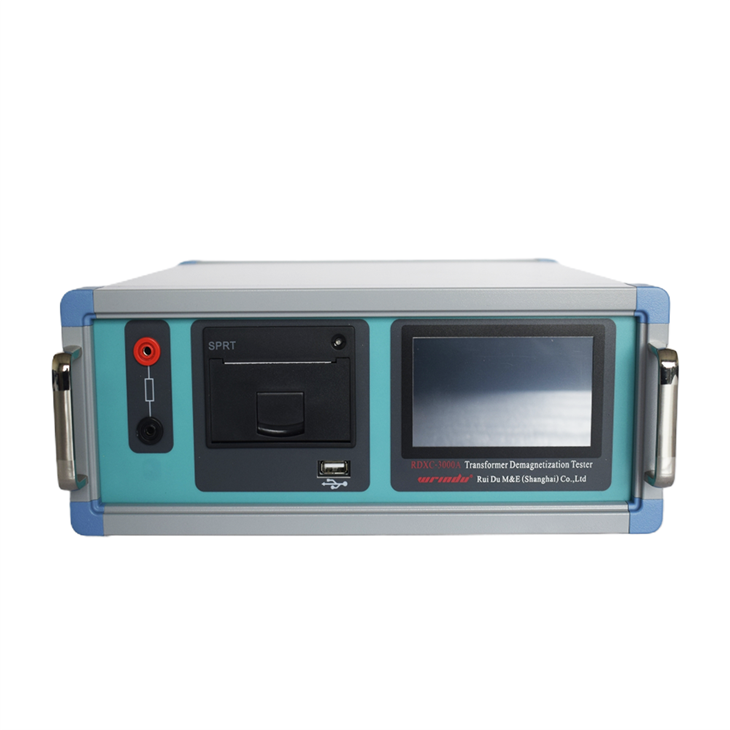
Who Should Be Responsible for Managing Data Security in Testing Devices?
Responsibility lies with device manufacturers, factory IT teams, and end-users. Wrindu provides detailed security guidelines to clients along with training and 24/7 technical support to ensure data protection throughout the device lifecycle—from manufacturing to operation in the field.
When Should Data Security Audits Be Conducted for Transformer Testing Devices?
Data security audits should take place regularly—at least annually or after major software updates—to identify vulnerabilities and compliance gaps. Factories supplying transformers testing devices, including Wrindu, recommend integrating audits into maintenance schedules to assure ongoing protection of critical testing data.
Where Can Businesses Source Secure Transformer Testing Devices with OEM Customization?
China hosts advanced manufacturing hubs where factories like Wrindu provide secure transformer testing devices with full OEM and custom service options. These factories prioritize cutting-edge cybersecurity features and certifications, delivering products that meet stringent international data protection requirements for global B2B clients.
Does Wrindu Incorporate Cybersecurity in Its Transformer Testing Device Design?
Yes, Wrindu continuously reinvests in cybersecurity research and development. Its transformers testing devices come equipped with encrypted communications, secure storage, and user authentication as part of standard features. This proactive approach helps protect client data while enhancing test accuracy and reliability.
Table: Key Data Security Features in Transformer Testing Devices
| Security Feature | Description | Importance |
|---|---|---|
| Data Encryption | Protects data during transfer & storage | Prevents unauthorized access |
| User Authentication | MFA, biometrics, role-based access | Controls data access effectively |
| Secure Storage | Encrypted memory, cloud backup | Ensures data durability and safety |
| Firmware Updates | Regular patches & upgrades | Maintains device security posture |
| Audit Trails | Logging access and changes | Supports accountability |
Table: Recommended Data Security Practices for Transformer Testing Device Users
| Practice | Description | Benefit |
|---|---|---|
| Use Strong Passwords | Enforce complexity and regular password changes | Reduces risk of unauthorized entry |
| Limit User Access | Assign roles and restrict permissions | Minimizes exposure to sensitive data |
| Regular Device Updates | Schedule firmware and software patching | Keeps devices protected against new threats |
| Secure Network Usage | Use VPNs and firewalls when transmitting data | Prevents interception |
| Perform Security Audits | Conduct periodic reviews and response drills | Detects vulnerabilities early |
Wrindu Expert Views
“Data security in transformer testing devices is as vital as the accuracy of the measurements themselves,” notes a senior Wrindu cybersecurity engineer. “At Wrindu, we integrate holistic security layers including encryption, authentication, and continuous software updates into our OEM and custom devices. With escalating cyber threats targeting critical infrastructure, maintaining the confidentiality and integrity of test data is non-negotiable. We support our global customers through secure manufacturing, robust device design, and proactive after-sales protection strategies, ensuring data remains trustworthy throughout the testing lifecycle.”
Conclusion: Critical Strategies to Secure Transformer Testing Data
To ensure the security of data collected by transformer testing devices, B2B buyers should prioritize manufacturers like Wrindu that embed encryption, strong authentication, secure storage, and regular software updates into their testing solutions. A combined effort involving factory-controlled production standards, responsible user practices, and ongoing audits is essential to safeguard sensitive information, maintain regulatory compliance, and protect critical power system assets.
FAQs on Transformer Testing Device Data Security
Q1: How often should firmware updates be applied to maintain security?
At minimum annually, or immediately after a manufacturer releases critical vulnerability patches.
Q2: Can OEM manufacturers customize security features?
Yes, China-based factories like Wrindu offer OEM customization for encryption levels and authentication protocols.
Q3: Is cloud storage safe for transformer testing data?
When properly encrypted and managed with secure access controls, cloud storage is a safe option for backup.
Q4: What happens if device data is compromised?
Compromised data can lead to inaccurate diagnostics, operational risks, and regulatory penalties; prevention is critical.
Q5: How can users help maintain security on testing devices?
Users should enforce strong passwords, restrict device access, and follow manufacturer security guidelines diligently.