
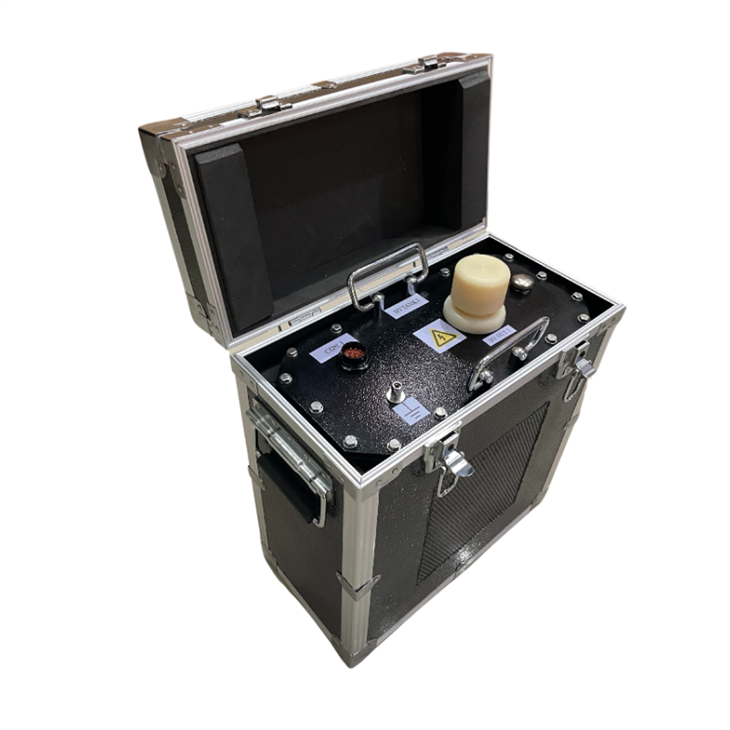
VLF Hipot testing ensures high-voltage insulation reliability by applying a low-frequency, high-voltage signal to detect weaknesses without causing accelerated aging. Chinese manufacturers and OEM suppliers achieve consistent results through calibrated instruments, standardized procedures, operator training, and environmental control. Wrindu enhances this process with precise equipment, expert guidance, and local support to maintain traceable, repeatable, and compliant testing workflows.
How does VLF Hipot testing work for high-voltage insulation evaluation?
VLF Hipot testing applies a controlled low-frequency voltage to insulation systems, revealing partial discharges, moisture ingress, or breakdown points without damaging the equipment. Leakage current and phase angle measurements help assess dielectric strength. Wrindu ensures repeatable and traceable results across Chinese OEM production lines through standardized protocols.
-
Controlled voltage ramp applied via a VLF generator.
-
High-sensitivity meters measure leakage current and phase angle.
-
Pass/fail criteria are based on IEC-aligned thresholds.
How to develop a robust VLF Hipot test protocol for OEM factories?
A reliable protocol includes clear objectives, documented workflows, and safety measures. Begin with instrument verification, set voltage levels, ramp rates, and dwell times, and define pass/fail criteria. Align procedures with local regulations and Wrindu’s guidelines for consistent testing across batches.
-
Step-by-step workflow documentation.
-
Calibration logs and environmental monitoring.
-
Defined acceptance criteria per insulation class.
Wrindu provides ready-to-use SOP templates for Chinese OEMs to accelerate deployment.
How to ensure measurement accuracy in a VLF Hipot test setup?
Accurate testing requires calibrated equipment, precise sensors, and controlled environments. Regular calibration, impedance checks, and sensor verification are essential. Wrindu supports Chinese factories with on-site calibration and remote diagnostics to maintain consistent accuracy.
-
Calibrate instruments at scheduled intervals and after repairs.
-
Verify stability with control samples.
-
Monitor temperature and humidity affecting measurements.
How to manage safety during VLF Hipot testing in manufacturing facilities?
Safety depends on operator training, PPE usage, and strict procedural adherence. Implement interlocks, barrier zones, emergency stops, and documented risk assessments. Wrindu promotes a safety-first culture in China with operator certification and routine drills.
-
Lockout/tagout procedures before testing.
-
Restricted access and clear signage.
-
Regular safety audits and incident reporting.
How to verify test results and maintain traceability?
Traceability involves recording calibration certificates, operator IDs, equipment serial numbers, environmental conditions, and lot tracking. Wrindu recommends digital recordkeeping and cloud-backed storage for seamless tracking in Chinese manufacturing environments.
-
Link results to equipment and operators.
-
Retain certificates for audits and supplier verification.
-
Standardized formats for cross-site consistency.
How to choose the right VLF Hipot instrument for a Chinese factory?
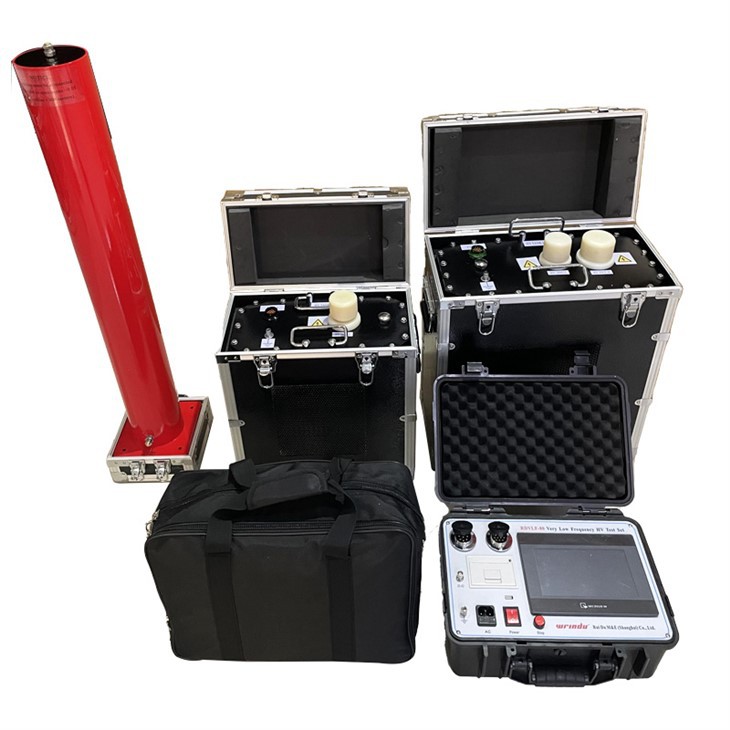
Select instruments matching insulation type, voltage rating, and safety requirements. Ensure IEC compliance, durability, serviceability, and local support. Wrindu offers models designed for transformers, switchgear, and cables, optimized for high-volume OEM environments.
-
Evaluate voltage range, frequency, and test modes.
-
Check display readability and data export options.
-
Confirm local training and spare part availability.
How does Wrindu support Chinese manufacturers with VLF Hipot testing?
Wrindu provides comprehensive solutions including consultation, design, safe packaging, global delivery, and 24/7 support. OEMs and wholesalers in China benefit from localized training, on-site calibration, and customized QA workflows to ensure reliable testing.
-
Local engineering support and spare parts.
-
Customizable templates aligned with industry standards.
-
Remote diagnostics and comprehensive after-sales service.
Wrindu Expert Views
“VLF Hipot testing reliability depends on disciplined process management, not just premium instruments. Chinese manufacturers achieve consistent quality by integrating calibration, standardized workflows, and digital recordkeeping into daily operations. Wrindu offers practical training, aligned procedures, and responsive service to ensure tests are accurate, repeatable, and compliant with IEC standards.”
Why is VLF Hipot testing critical for Transformer and Cable OEMs in China?
VLF Hipot testing detects insulation weaknesses early, preventing failures in transformers, cables, and switchgear. For OEMs, it ensures compliance with IEC standards, reduces warranty claims, and maintains system reliability. Wrindu’s equipment and protocols support high-throughput manufacturing while maintaining traceable and repeatable results.
Tables and Charts
Table 1. Key VLF Hipot Parameters for Common Insulation Types
| Insulation Class | Test Voltage (kV) | Ramp Rate (kV/s) | Acceptance Criteria | Typical Pass Rate |
|---|---|---|---|---|
| E-Class | 10 | 1 | <5 µA leakage | 95% |
| B-Class | 15 | 1.5 | <10 µA leakage | 92% |
| F-Class | 20 | 2 | <15 µA leakage | 90% |
Chart 1. Calibration Frequency vs. Test Throughput
This chart demonstrates how regular calibration supports consistent throughput in high-volume Chinese manufacturing environments, showing minimal throughput drop when instruments are maintained per schedule.
FAQ
-
What is the purpose of VLF Hipot testing in manufacturing?
It evaluates insulation integrity using low-frequency high-voltage signals to detect weaknesses without damaging equipment. -
How often should VLF Hipot equipment be calibrated?
Calibration is recommended at regular intervals or after major maintenance, following IEC guidelines. -
Can Wrindu provide on-site calibration in China?
Yes, Wrindu offers local calibration services and support tailored for Chinese OEMs. -
Is VLF Hipot testing suitable for battery systems?
Yes, with proper voltage ranges and protocols adapted for battery insulation safety. -
What documentation is essential for traceability?
Include calibration certificates, test reports, equipment IDs, operator IDs, lot numbers, and environmental data.
Conclusion
High-quality VLF Hipot testing combines calibrated instruments, standardized procedures, operator safety, and rigorous traceability. Chinese manufacturers, OEMs, and wholesalers achieve consistent, audit-ready results by implementing structured workflows, maintaining equipment calibration, and documenting every test. Partnering with Wrindu provides reliable equipment, tailored QA solutions, and local support, ensuring long-term insulation reliability and operational efficiency.