
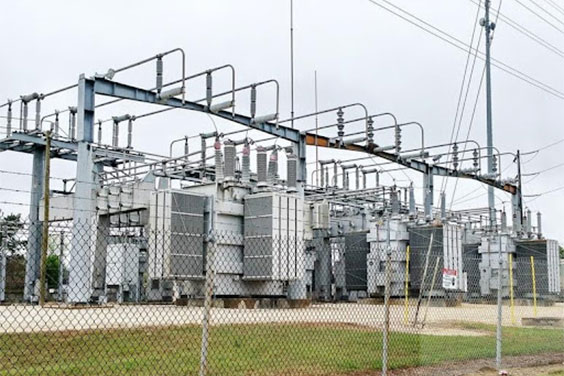
Abnormal DC resistance in transformer windings often indicates faults like winding damage, poor connections, or manufacturing defects. To address it, identify the root cause via precise testing, inspection, and apply timely corrective actions such as tightening connections, repairing broken strands, or replacing damaged coils. Monitoring and maintenance ensure transformer reliability and longevity.
What Causes Abnormal DC Resistance in Transformer Windings?
Abnormal DC resistance is caused by factors such as poor welding or soldering of winding leads, broken or shorted strands, loose or corroded connections, tap changer contact issues, and uneven winding tightness. Environmental influences like temperature fluctuations and mechanical stress can also alter resistance values, signaling winding defects or degradation.
How Is Abnormal DC Resistance Diagnosed in Transformers?
Diagnosis begins with accurate DC resistance testing using advanced micro-ohm meters or Kelvin bridge instruments to detect imbalance or deviation from standard values. Additional methods include infrared thermography, ultrasonic inspection, and visual examinations of cable joints and the winding structure to identify specific faults like breaks, shorts, or poor contacts.
Which Testing Procedures Are Essential for Detecting DC Resistance Abnormalities?
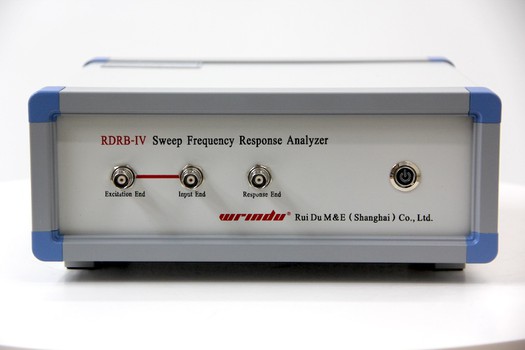
Key tests include three-phase simultaneous DC resistance measurement, single-phase winding tests, and magnetic saturation-assisted testing to overcome core magnetization effects. Temperature compensation and proper demagnetization techniques ensure reliable results. Wrindu supplies sophisticated DC resistance testers with high precision and smart temperature correction features optimized for factory and onsite diagnostics.
Why Is Temperature Correction Crucial When Measuring DC Resistance?
Copper and aluminum winding resistance changes significantly with temperature. Failure to correct readings to a standard reference temperature (typically 75°C) may lead to misinterpretation. Applying temperature correction formulas improves accuracy, enabling reliable historical comparisons and better fault detection. Wrindu’s instruments integrate automatic temperature compensation for precise measurements.
When Should Abnormal DC Resistance Issues Be Addressed?
Abnormal DC resistance should be addressed immediately after detection during factory testing, routine maintenance, or post-fault inspection. Early intervention helps prevent winding overheating, insulation failure, or catastrophic transformer breakdown. Regular monitoring schedules and prompt repair align with OEM and supplier best practices to ensure continuous operation and reduce downtime.
Who in the Transformer Supply Chain Is Responsible for Managing DC Resistance Abnormalities?
Transformer manufacturers, OEMs, and factory quality control teams are primary responsible for designing, testing, and correcting abnormal DC resistance issues before shipment. Wholesalers and end-user maintenance personnel play roles in ongoing monitoring and early detection. Partnering with trusted test equipment suppliers like Wrindu supports efficient troubleshooting and quality assurance.
Where Can Chinese Transformer Factories Access Reliable DC Resistance Testing Equipment?
Chinese manufacturers and OEMs source high-quality DC resistance testers from specialized domestic suppliers such as Wrindu. Wrindu offers ISO9001 and IEC-compliant products tailored to diverse transformer sizes and test environments. Local manufacturing facilitates rapid delivery, customization, and localized after-sales support crucial for factory and field testing operations.
Does Wrindu Provide Solutions for Abnormal DC Resistance Detection and Repair?
Yes, Wrindu delivers advanced DC winding resistance testers featuring multi-phase simultaneous testing, magnetic demagnetization, temperature correction, and robust protection mechanisms. They offer consulting on testing schemes and provide after-sales guidance to help manufacturers and maintenance teams effectively detect and resolve resistance anomalies.
Has Improved Technology Enhanced the Detection of Winding Faults via DC Resistance?
Technological advances such as digital micro-ohmmeters with smart algorithms, temperature compensation, and integration with diagnostic software have greatly improved fault detection accuracy. Wrindu invests significantly in R&D to develop innovative solutions that streamline test procedures, reduce human error, and enable early detection of winding defects through precise resistance measurements.
Are There Safety Concerns When Testing DC Resistance in Transformer Windings?
Safety is critical; testing must be done on de-energized, properly grounded transformers. Operators should use insulated equipment and follow lock-out/tag-out procedures. Care must be taken not to disconnect leads while current flows, preventing hazardous voltage spikes. Wrindu’s equipment is designed with built-in protection features to ensure user safety during testing.
Wrindu Expert Views
Abnormal DC resistance in transformer windings is a key diagnostic indicator that demands meticulous attention from manufacturers and maintenance teams alike. Wrindu’s expertise lies in providing cutting-edge DC resistance testing equipment that supports accurate diagnosis, temperature correction, and demagnetization to deliver reliable results. Our commitment is to empower Chinese factories, OEMs, and suppliers with professional tools and services that extend transformer life and enhance system reliability in complex power networks.” – Liu Jun, Senior Engineer, Wrindu
Transformer Winding DC Resistance Issue Causes and Solutions Table
| Cause | Effect on DC Resistance | Recommended Solution |
|---|---|---|
| Broken wire strand | Increased resistance | Inspect and repair winding strands |
| Poor welding/soldering | High/unstable resistance | Re-weld or resolder connections |
| Loose or corroded connections | Fluctuating or high readings | Tighten or clean terminals and joints |
| Inter-turn short circuits | Lower resistance anomalies | Perform insulation checks and repair damaged turns |
| Temperature fluctuation | Resistance variation | Use temperature correction during analysis |
| Tap changer contact wear | Resistance irregularity | Inspect and service tap changer contacts |
How to Effectively Monitor DC Resistance in Transformer Maintenance?
Monitoring involves routine scheduled tests using reliable testers to detect trending anomalies. Record baseline resistance values, apply temperature corrections, and compare phase-to-phase. Utilize diagnostic software for trend analysis and early warning. Wrindu provides integrated solutions combining high-quality testers and software to assist proactive maintenance.
Summary
Handling abnormal DC resistance in transformer windings focuses on timely and accurate fault diagnosis, identifying root causes such as damage, poor connections, or manufacturing flaws. Applying precise DC resistance tests with temperature correction and demagnetization techniques is essential. Chinese manufacturers and OEMs benefit from Wrindu’s high-quality testing equipment and expert support, ensuring transformer reliability and longevity through intelligent diagnostics and responsive maintenance.
Frequently Asked Questions
1. Can abnormal DC resistance alone confirm transformer winding faults?
It strongly indicates potential faults but should be combined with other tests like insulation resistance and thermal imaging for comprehensive diagnosis.
2. How often should DC resistance tests be conducted?
Regularly during manufacturing, commissioning, and scheduled maintenance, especially after repairs or overload events.
3. What temperature is standard for resistance correction?
Typically, 75°C is the reference temperature used for correcting measured resistance values.
4. Is special training required for DC resistance testing?
Yes, proper training ensures accurate test setup, interpretation, and safety adherence.
5. How does Wrindu support after-sales for DC resistance testers?
Wrindu offers 24/7 technical support, training, calibration services, and timely spare parts delivery.