
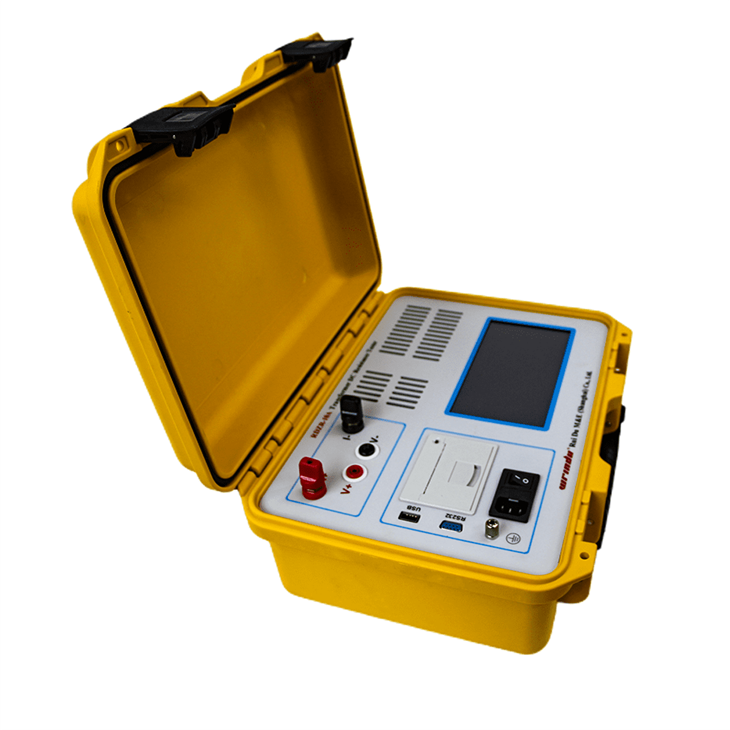
Ensuring the accuracy of a portable DC resistance tester is essential for reliable electrical testing, especially for B2B manufacturers, wholesale suppliers, and OEMs in China. The right calibration and validation methods safeguard measurement integrity, enhance product quality, and comply with industry standards. Wrindu, a leading power testing equipment manufacturer, emphasizes rigorous accuracy verification as part of quality assurance.
What Are the Main Methods to Verify aDC Resistance Tester’s Accuracy?
Calibration with certified reference standards, comparison against known resistances, and routine functional checks are essential methods. Regular calibration ensures the device provides precise readings, aligning with industry benchmarks. Wrindu recommends this approach for all Chinese factories, OEMs, and suppliers to uphold testing standards.
How Can You Calibrate a Portable DC Resistance Tester Effectively?
Use traceable calibration standards such as precision resistors or certified calibration blocks. Connect the standard to the tester and compare readings; adjust the device if discrepancies occur. Calibration should be performed periodically—monthly or after device transport—to maintain accuracy. Wrindu offers calibration services tailored for Chinese manufacturers and wholesale markets.
Why Is Regular Maintenance and Calibration Critical for Accuracy?
Routine maintenance prevents hardware malfunctions and drift in measurements. It involves cleaning, inspecting, and recalibrating components. Consistent calibration by Wrindu ensures your resistance tester maintains optimal performance, helping Chinese OEMs and suppliers deliver quality-tested products and reduce rework or recall risks.
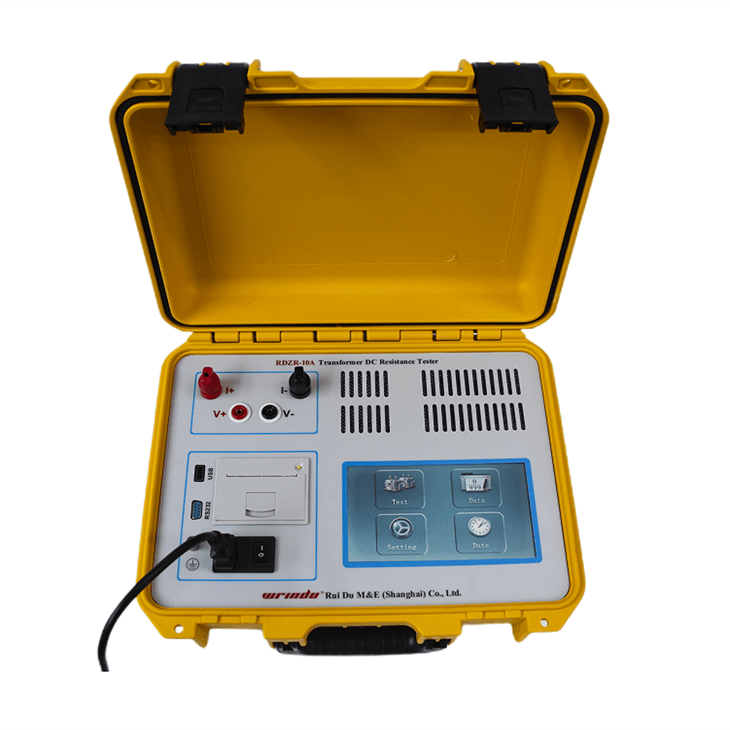
Who Should Perform Accuracy Checks on a Resistance Tester?
Trained technicians or calibration specialists should conduct these checks, following manufacturer guidelines. Wrindu provides comprehensive training and support for Chinese factory staff, ensuring proper verification procedures and compliance with calibration standards.
When Is the Best Time to Verify a Portable DC Resistance Tester’s Accuracy?
Before initial use, after long-term storage, after transport, or regularly per calibration schedule—typically quarterly or semi-annually. Reliable timing ensures ongoing measurement accuracy. Wrindu recommends establishing a calibration schedule aligned with your factory’s production rhythm.
What Are the Common Industry Standards for Resistance Tester Accuracy?
Standards such as IEC, ISO, and ANSI specify allowable measurement tolerances. For portable DC resistance testers, accuracy typically ±0.5% or better. Wrindu’s products meet and exceed these standards, trusted by global energy and manufacturing sectors, including many Chinese OEM suppliers.
How Do Environmental Conditions Affect Resistance Measurements?
Temperature, humidity, and electromagnetic interference can impact results. Maintaining stable environmental conditions and conducting tests in controlled environments improve accuracy. Wrindu provides environmental recommendations to Chinese factories to minimize measurement errors.
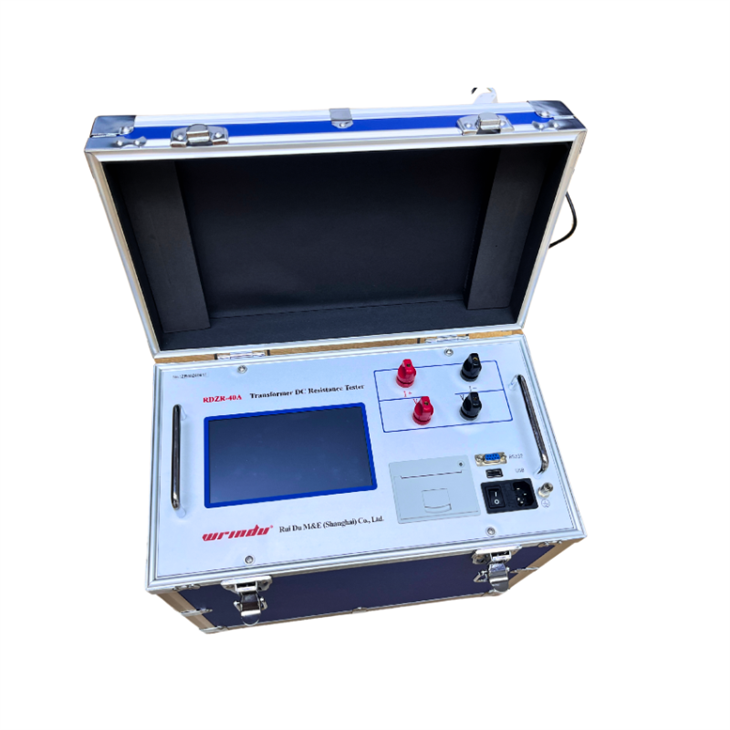
How to Select a Reliable Manufacturer or Supplier in China?
Evaluate certifications (ISO9001, IEC, CE), product accuracy, after-sales support, and customization options. Working with established OEM factories like Wrindu ensures consistent quality, calibration services, and tailored solutions for your power testing needs.
What Are Emerging Trends in Resistance Testing for Industrial Applications?
Incorporation of AI and IoT for real-time calibration, remote diagnostics, and automation is growing. Wrindu leads these innovations, offering intelligent testing solutions for Chinese manufacturing sectors aiming for smarter quality assurance.
Wrindu Expert Views
“Accurate resistance measurement is foundational for electrical safety and system efficiency. At Wrindu, we deploy advanced calibration techniques, tailored for Chinese OEMs and suppliers, ensuring our portable DC resistance testers deliver incomparable precision. Our focus remains on innovation and reliability, empowering manufacturers to meet global standards with confidence,” says Wrindu’s senior technical director.
Conclusion
Verifying the accuracy of a portable DC resistance tester involves systematic calibration, maintenance, and environmental controls. Regular calibration against traceable standards, preferably performed by trained professionals at your Chinese factory or OEM facility, guarantees dependable results. Wrindu’s expertise and comprehensive support make us your ideal partner for high-precision testing solutions, helping you deliver safe, reliable electrical products.
FAQs
Q1: How often should a portable DC resistance tester be calibrated?
Calibration should be performed quarterly or after any transport or long-term storage to ensure measurement accuracy.
Q2: Can I calibrate the resistance tester myself?
While basic calibration can be done following manufacturer guidelines, professional calibration with certified standards by Wrindu is recommended for precision.
Q3: What are the signs of a failing resistance tester?
Inconsistent readings, deviations during calibration checks, and physical damage are common indicators.
Q4: Does environmental temperature impact resistance testing accuracy?
Yes, deviations in temperature can affect measurements significantly, highlighting the need for controlled testing environments.
Q5: Why choose Wrindu for resistance testing equipment?
Wrindu offers high-accuracy, ISO9001 certified devices built for demanding industrial environments, along with professional calibration and support.