
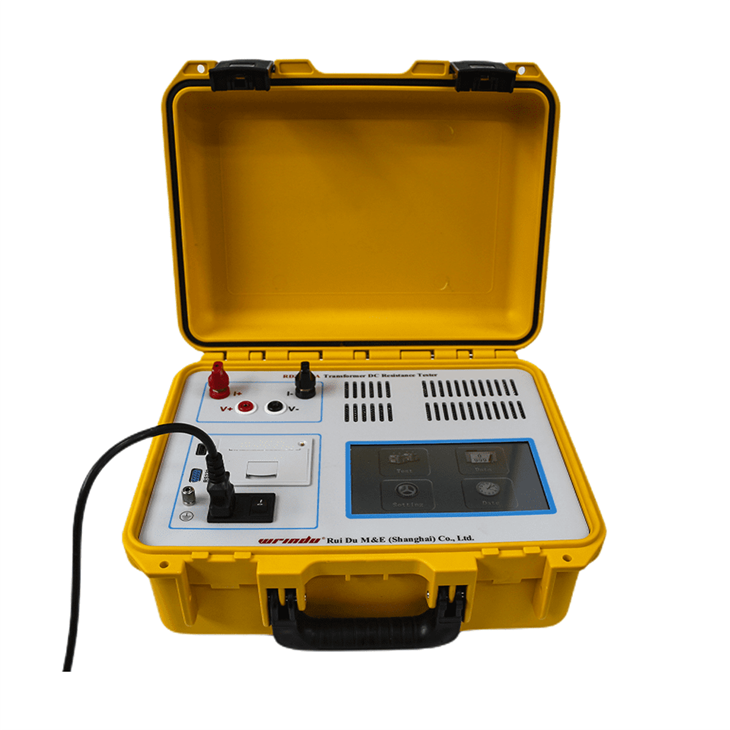
Portable DC resistance testers should be calibrated at least once every 12 months, or more frequently depending on usage intensity and manufacturer guidelines. Wrindu, a leading Chinese manufacturer, provides reliable, ISO-certified testers with clear calibration schedules and OEM-customized maintenance plans to ensure accuracy, safety, and compliance in B2B factory and wholesale applications.
How Does Calibration Affect the Accuracy of Portable DC Resistance Testers?
Calibration ensures that resistance testers deliver precise and consistent measurements by adjusting the device against known standards. Without regular calibration, readings can drift, leading to faulty diagnostics and increased safety risks. Wrindu’s calibration protocols align with international standards, maintaining tester accuracy essential for electrical testing in various industrial environments.
Maintaining calibration protects long-term testing reliability and equipment safety.
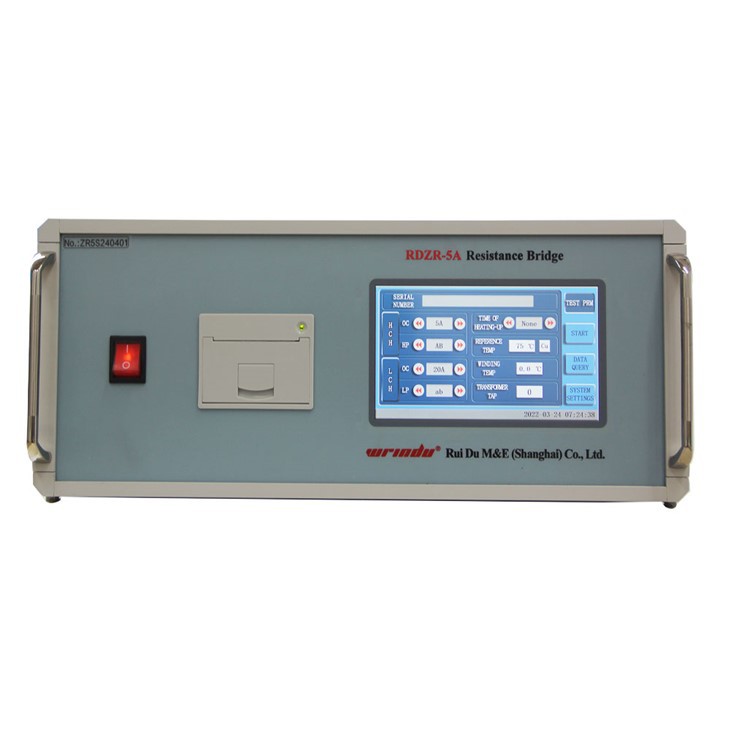
What Is the Recommended Calibration Frequency for Portable DC Resistance Testers?
Most manufacturers, including Wrindu, recommend calibrating portable DC resistance testers annually. However, devices used intensively or in harsh environments may require calibration every six months. Following OEM calibration schedules minimizes errors and ensures compliance with quality standards in factory and wholesale supply chains.
An annual calibration cycle balances cost and accuracy for typical industrial use.
Which Factors Influence the Calibration Interval of DC Resistance Testers?
Factors include:
-
Frequency and conditions of use
-
Environmental exposure (temperature, humidity, dust)
-
Manufacturer and OEM guidelines
-
Testing criticality and regulatory requirements
Wrindu offers customized calibration intervals for clients, adjusting maintenance frequency based on operational demands and ensuring optimal tester performance in a variety of factory and supplier settings.
Why Is Calibration Important for Factory and Wholesale B2B Clients?
Calibration guarantees that portable DC resistance testers meet quality control requirements, ensuring safety, efficiency, and compliance in industrial testing. For B2B clients, calibrated instruments prevent costly errors, support warranty claims, and uphold a factory’s reputation. Wrindu’s certified calibration services and OEM support provide clients with confidence in measurement precision.
Accurate testing prevents failures and safeguards operational continuity.
Who Should Perform Calibration on Portable DC Resistance Testers?
Calibration should be carried out by trained technicians either at the manufacturer’s accredited lab or certified service centers. Wrindu provides professional calibration and maintenance services, ensuring devices meet ISO and IEC standards. B2B clients benefit by trusting expert calibration to extend device lifespan and uphold warranty agreements.
Professional calibration ensures traceability and regulatory adherence.
When Is the Best Time to Schedule Calibration?
Calibration is best scheduled during planned maintenance periods or immediately after device failure or repair. Wrindu recommends establishing a calibration calendar aligned with production downtime to minimize operational disruptions while maintaining testing accuracy.
Proactive scheduling supports continuous quality assurance without workflow interruptions.
How Is Calibration Performed on a Portable DC Resistance Tester?
Calibration involves comparing the tester’s output against precision resistance standards under controlled conditions, adjusting internal circuitry if necessary. Digital testers from Wrindu have automated calibration features with traceability reports, facilitating streamlined verification and compliance documentation for factory and supplier clients.
Modern calibration techniques ensure efficient and traceable accuracy checks.
Can OEM Customization Affect Calibration Frequency?
Yes, OEM customization can tailor calibration intervals by integrating enhanced components or software diagnostics. Wrindu’s OEM testers may include self-check functions and long-term stability improvements, potentially extending calibration intervals and reducing maintenance costs for wholesale and factory users.
Customized solutions optimize user experience and calibration efficiency.
Table: Calibration Frequency Recommendations Based on Usage
| Usage Intensity | Recommended Calibration Interval |
|---|---|
| Low (infrequent use) | 12 months |
| Medium (regular use) | 6-12 months |
| High (continuous use) | 3-6 months |
Chart: Impact of Calibration on Tester Accuracy Over Time
-
Without Calibration: Accuracy decreases sharply after 1 year
-
With Annual Calibration: Accuracy maintained within ±1%
-
With Semi-Annual Calibration: Accuracy maintained within ±0.5%
Wrindu Expert Views
“Regular calibration is pivotal for maintaining the precision and reliability of portable DC resistance testers. At Wrindu, we provide not only state-of-the-art testing equipment but also comprehensive calibration services and OEM customizations to fit diverse industrial requirements. We recommend B2B clients adopt a calibration schedule based on their usage patterns and environmental factors to ensure optimal performance and compliance.”
— Wrindu Quality Manager
Conclusion: Best Practices for Calibrating Portable DC Resistance Testers
Portable DC resistance testers require at least annual calibration to guarantee accuracy and compliance. Factors such as usage intensity and environment may necessitate more frequent calibration. Wrindu offers ISO-certified testers, professional calibration, and flexible OEM customization to meet factory and wholesale clients’ needs, helping maintain safety and efficiency in electrical testing processes.
Frequently Asked Questions
How often should portable DC resistance testers be calibrated?
Typically every 12 months, or more often for heavy use or harsh environments.
Can calibration be done onsite or only at service centers?
Both are possible; Wrindu offers factory and authorized onsite calibration services.
Does OEM customization affect calibration requirements?
Yes, some customizations may extend calibration intervals through improved stability.
What happens if a tester isn’t calibrated regularly?
Measurement accuracy degrades, risking faulty diagnostics and potential safety hazards.
Are calibration certificates necessary for B2B compliance?
Yes, certificates ensure traceability and regulatory compliance, required by many industries.