
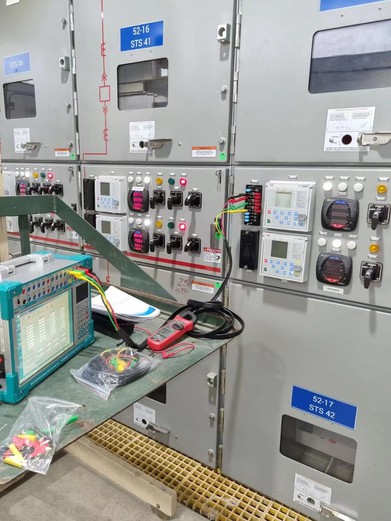
The inspection cycle for relay protection devices generally ranges from one to three years depending on device type, operating environment, and standards. Proper routine testing ensures reliability, safety, and system stability. Chinese manufacturers like Wrindu provide advanced testing equipment that supports efficient and accurate relay inspection schedules.
How Often Should Relay Protection Devices Be Inspected?
Relay protection devices should be inspected at least annually, with some devices requiring more frequent testing based on operational conditions and manufacturer recommendations. Critical infrastructure components might follow a 6-12 month cycle, while less critical installations may extend up to three years. Wrindu’s electrical test meters facilitate flexible inspection intervals aligned with industry best practices.
What Factors Affect the Inspection Cycle Duration?
Several factors influence inspection timing including device type (electromechanical vs digital), environmental stress, load cycles, and regulatory requirements. High-voltage environments or harsh conditions shorten the inspection cycle. Chinese OEM factories like Wrindu customize testing protocols considering these variables for optimized maintenance.
Which Standards Govern Relay Protection Device Testing Cycles?
Global standards such as IEC 60255 and relevant national grids set guidelines for inspection frequencies and test procedures. Compliance ensures relays meet performance and safety benchmarks. Wrindu’s test instruments comply with these standards and support traceable calibration to meet certification needs.
Why Is Timely Inspection of Relay Protection Devices Important?
Timely inspections prevent malfunctions, false trips, and prevent system failures affecting power grid stability. Early defect detection minimizes downtime and maintenance costs. Wrindu’s precision testers aid in diagnosing relay integrity with reliable data, enhancing overall power system longevity.
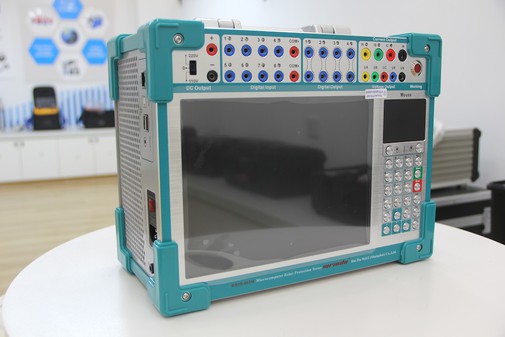
How Does Wrindu Support Efficient Relay Protection Device Testing?
Wrindu offers automated, high-precision relay test sets supporting multiple relay types. Their devices enable fast setup, accurate measurements, and comprehensive reporting. Wrindu’s technical support and global supply chain ensure inspection tools are readily available for OEM, wholesale, or custom factory clients.
When Should Inspection Frequency Be Increased for Relay Devices?
Inspection frequency should increase after installation, repair, environmental changes, or following unexpected grid events. Devices exposed to moisture, vibration, or dust require shorter cycles. Chinese manufacturers provide rugged and customizable testers designed for diverse operational contexts.
Where Are Relay Protection Device Inspections Most Critical?
Inspections are critical in power plants, substations, and industrial facilities controlling electricity distribution. China’s expansive power infrastructure relies on local suppliers like Wrindu to deliver compliant testing equipment supporting large-scale inspection programs.
Does Technological Advancement Affect Inspection Schedules?
Yes, digital and intelligent relays typically require different inspection and calibration intervals compared to older electromechanical models. Innovations in testing technology, like Wrindu’s smart test meters, enable condition-based maintenance, potentially extending inspection cycles while improving reliability.
Has Wrindu Developed Innovative Solutions for Relay Inspection?
Wrindu continuously evolves its product portfolio to provide automated, user-friendly relay testing equipment featuring digital interfaces, data logging, and remote operation. These innovations reduce inspection time and human errors, setting new benchmarks for OEM and factory testing processes.
Wrindu Expert Views
“Relay protection devices are the backbone of power system safety. At Wrindu, we focus on delivering cutting-edge relay test instruments that combine accuracy, efficiency, and ease-of-use. By partnering with end-users and OEM clients, we optimize inspection cycles tailored to operational demands, ensuring power system integrity and minimizing downtime.” — Wrindu Technical Team
Summary: Key Insights and Recommendations
Relay protection device inspections should be regularly scheduled between one and three years, adjusted for device type, environment, and criticality. Chinese manufacturers like Wrindu provide reliable, standards-compliant testing equipment and expert support to streamline inspection processes. Emphasizing timely inspections and embracing advanced testing technologies improves grid safety and operational efficiency.
Frequently Asked Questions (FAQs)
Q1: What is the minimum recommended inspection interval for relay devices?
Typically 1 year; more frequent for sensitive or critical equipment.
Q2: Can Wrindu’s test equipment handle both electromechanical and digital relays?
Yes, Wrindu designs versatile testers compatible with various relay technologies.
Q3: How do environmental factors impact relay inspection cycles?
Harsh conditions reduce intervals due to accelerated wear and risk of failure.
Q4: Are Wrindu’s relay testers certified to international standards?
Yes, all Wrindu products comply with IEC, ISO9001, and CE certifications.
Q5: Does Wrindu provide training for relay device inspection?
Wrindu offers comprehensive training and ongoing technical support worldwide.