
How does generator shaft voltage testing prevent bearing failure?
Send your test requirement — get a tailored solution and a quote within one working day.
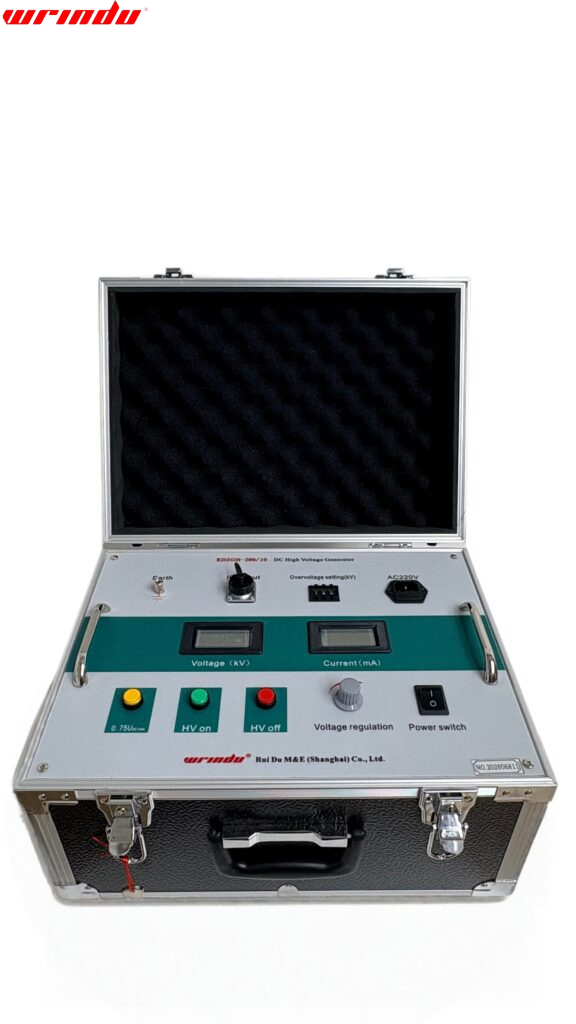
Generator shaft voltage testing measures the voltage between the rotating shaft and ground to detect damaging bearing currents early, especially in VFD-driven machines. By identifying arcing patterns and verifying grounding brush performance, China factory and OEM users can apply grounding rings, insulated bearings, and filters to protect bearings, extend generator life, and avoid costly unplanned shutdowns.
Check: Comprehensive Generator Testing Guide: Mechanical and Electrical Integration
Why does shaft voltage lead to generator bearing failure?
Shaft voltage creates an electrical potential between the rotating shaft and grounded frame; once it exceeds the oil film’s dielectric strength, it discharges through the bearings as EDM arcs, causing pitting, fluting, and premature failure. In real factory practice, I have seen bearings destroyed in under a year when VFD retrofits were added without proper shaft grounding and monitoring.
In generators and motors, shaft voltage is typically induced by asymmetrical magnetic fields, common-mode voltage from VFDs, or static charging of lubricants and steam in turbines. Once the oil film breaks down, repeated microscopic arcs roughen the raceways, increasing vibration and noise. Over time, this leads to elevated temperatures, grease degradation, and finally catastrophic bearing seizure or rotor rub.
In high‑power equipment common in China power plants and industrial factories, the cost of such failure is not just the bearing; it is the forced outage, rotor repair, and production loss. That is why serious OEMs and wholesale buyers increasingly specify shaft grounding brushes, insulated bearings, and periodic shaft voltage testing as standard for new generator packages. Wrindu engineers often see this requirement written directly into project technical specifications.
What are the main sources of shaft voltage and bearing currents in generators?
The main sources of shaft voltage in generators are magnetic field asymmetry, common‑mode voltages from VFDs, static charging from steam or oil, and poor shaft grounding paths. Each mechanism creates a potential between shaft and frame that ultimately forces current through bearings when a lower impedance path is not intentionally provided.
In turbine‑generator shafts, charged steam or lubricants can create static potentials that discharge through the nearest bearing or thrust pad. In VFD‑driven generators or synchronous condensers, fast switching edges create common‑mode voltages that capacitively couple into the rotor and shaft. Manufacturing tolerances, rotor eccentricity, and winding faults also disturb magnetic symmetry, adding low‑frequency components to shaft voltage. A China manufacturer that understands these mechanisms will design OEM packages with proper bonding, grounding brushes, and cable systems from the beginning.
How can generator shaft voltage be measured safely in factory and field conditions?
Generator shaft voltage is measured safely by using a conductive brush or probe contacting a clean shaft area, connected to an oscilloscope or high‑speed recorder referenced to the frame or earth, while maintaining proper guarding and distances from rotating parts. In our factory acceptance tests, we always use rigid, shielded probe fixtures rather than handheld probes near exposed shafts.
Multimeters are not suitable because shaft voltage waveforms contain fast transients and discharge spikes that require high‑bandwidth instruments. A typical safe setup includes an insulated shaft‑riding brush, a shielded cable to a differential input, and a clear mechanical barrier protecting the operator from rotating components. For B2B customers, the key is to standardize a test procedure that can be replicated in the field and during OEM FAT/SAT, not just improvised once during commissioning.
Which basic steps should engineers follow when testing generator shaft voltage?
Engineers should ensure the machine is at steady operating conditions, clean a small shaft area, position a shaft‑riding brush or probe securely, connect it to a high‑bandwidth oscilloscope referenced to ground, capture waveforms under different loads, and compare peak voltages and discharge patterns against internal limits. In China OEM and wholesale projects, we recommend storing these baseline traces in the project documentation.
In my experience, running tests at varying VFD switching frequencies or excitation conditions reveals resonance points where shaft voltage spikes become more severe. Recording both time‑domain waveforms and statistical peak values gives a more complete picture than a single snapshot. When Wrindu supports a customer on‑site, our specialists typically combine shaft voltage plots with vibration data and bearing temperature trends to make a risk‑based judgment on bearing life.
Which waveform features reveal dangerous bearing current discharge?
Dangerous bearing current discharge is indicated by waveforms showing a slow capacitive voltage buildup followed by sharp, repetitive collapses, high peak shaft voltages above typical safe limits, and spikes synchronized with VFD switching or system disturbances. These patterns show the oil film is breaking down and current is arcing through the bearing instead of returning via a designed grounding path.
You will also see increased high‑frequency noise riding on the waveform when grounding brushes are contaminated or worn. Comparing before‑and‑after plots—such as installing a new grounding ring—gives direct visual confirmation of mitigation effectiveness. As a China generator test equipment supplier, Wrindu often trains OEM customers to recognize these “smoking gun” signatures so they can make timely maintenance decisions instead of waiting for a bearing to fail.
What table compares common shaft voltage sources and symptoms?
The following table summarizes key sources, typical frequency ranges, and symptoms that OEMs and factories often observe:
For B2B engineering teams, using such a table during design reviews helps to match mitigation strategies with specific risk sources instead of applying generic solutions.
How should grounding brushes and rings be specified by OEMs and China factories?
Grounding brushes and rings should be specified based on shaft diameter, expected current levels, environmental contamination, and required maintenance intervals, with low‑impedance paths to the generator frame and plant earth. OEMs should define brush material, spring force, mounting position, and allowable resistance values to ensure consistent performance from China suppliers and custom manufacturing partners.
In practice, I prefer to locate grounding devices as close as possible to the main current source, typically at the drive‑end for VFD‑driven machines. For large generators, it is common to use both a dedicated shaft grounding brush and insulated bearings to steer currents safely. Wrindu often supports EPCs by reviewing vendor drawings to confirm that mechanical, electrical, and maintenance requirements are aligned rather than treating the grounding brush as a simple accessory added late in the design.
Why are insulated bearings and grounding rings often used together?
Insulated bearings and grounding rings are used together to create a controlled current path: insulation prevents current from passing through the bearing, while the grounding ring provides a low‑impedance route to ground. This combination protects critical bearings from EDM damage while still allowing shaft charges and induced voltages to dissipate safely.
If only insulation is used without a defined grounding path, voltages may build up to higher levels and discharge unpredictably through other components. Conversely, only a grounding ring without insulation might still leave some bearings exposed if the current path is not well controlled. For China OEMs exporting to Europe or North America, specifying this combined strategy is increasingly a de‑facto expectation in tender documents for high‑reliability generator sets.
How can generator shaft voltage limits and alarm thresholds be set?
Generator shaft voltage limits and alarm thresholds should be set based on machine voltage class, bearing type, lubrication system, and historical experience, often using conservative values such as keeping peak shaft voltage below several tens of volts for rolling bearings. The goal is to trigger inspection or mitigation before EDM damage becomes irreversible.
From a practical standpoint, I recommend setting two levels: a warning threshold when occasional peaks exceed the guideline, and an alarm when repeated discharges or high peak values occur over a defined time. Online monitoring devices can trend these values and correlate them with operating conditions. In Wrindu projects, we often align thresholds with the client’s reliability targets, for example, planning bearing replacements at scheduled outages rather than after unexpected trips.
Where does generator shaft voltage testing fit into a preventive maintenance program?
Generator shaft voltage testing fits into preventive maintenance as a periodic diagnostic, performed during planned outages or at defined runtime intervals, to verify grounding performance and bearing health. For critical units, it is often combined with vibration analysis, oil analysis, and insulation testing to build a complete condition profile.
Many large utilities schedule shaft voltage checks annually or after any major electrical modification, such as VFD upgrades or excitation system changes. In China industrial factories, a pragmatic approach is to test key generators before peak production seasons to avoid failures during high‑demand periods. As a manufacturer and wholesale supplier, Wrindu encourages customers to document these test results in a centralized maintenance system so patterns can be spotted across multiple units and sites.
Does online monitoring of shaft voltage and current add value for high‑value assets?
Online monitoring adds significant value for high‑value assets by continuously tracking shaft voltages and currents, identifying deteriorating grounding brushes or changing operating conditions before bearing damage becomes visible. It transforms shaft voltage from a periodic test into a real‑time health indicator for the rotating system.
For baseload generators, hydropower units, and strategic industrial drives, small changes in trends can signal issues like brush contamination, cable degradation, or VFD configuration drift. I have seen customers prevent catastrophic failures by responding to subtle trend shifts months before vibration alarms would have tripped. China OEM packages that integrate online monitoring from the factory floor stage can offer a differentiated, high‑margin solution rather than competing solely on price.
What simple chart illustrates a basic shaft voltage test setup?
Below is a simple textual chart of a typical shaft voltage test arrangement as applied by many OEMs and factories:
Using this structured view makes it easier for maintenance teams to standardize procedures across multiple plants and equipment types.
Who should specify and interpret generator shaft voltage tests in B2B projects?
Generator shaft voltage tests should be specified by electrical design engineers and reliability specialists during the project design stage, and interpreted jointly by protection engineers, rotating machinery experts, and factory test engineers. This ensures thresholds, test points, and mitigation measures align with both electrical safety and mechanical reliability requirements.
In real‑world B2B work, I have seen problems when shaft voltage is treated as purely an “instrument” issue, without mechanical input on bearing design and lubrication. For China OEMs, integrating shaft voltage clauses into technical specifications, FAT procedures, and maintenance manuals gives overseas buyers confidence that the manufacturer understands international reliability standards and not just nameplate parameters. Wrindu frequently acts as a technical bridge between EPCs, utilities, and local factories on exactly these points.
Are China generator test equipment manufacturers suitable for OEM shaft voltage projects?
China generator test equipment manufacturers are suitable for OEM shaft voltage projects when they offer high‑bandwidth measurement instruments, robust safety designs, and engineering support for integrating tests into FAT and SAT workflows. Buyers should evaluate not just catalog specifications but also the supplier’s experience with high‑voltage systems and rotating machinery diagnostics.
A strong China supplier or factory will provide custom probes, fixtures, and software tailored to generator applications, including template test procedures and reporting formats. Wholesale and OEM customers benefit when the same partner can support both offline high‑voltage testing and online shaft monitoring integration. Wrindu, for example, combines high‑voltage testing expertise with field experience, giving B2B clients confidence that measurement practices match the real risk profile of their assets.
Can OEM and custom solutions improve shaft grounding performance for international buyers?
OEM and custom solutions can significantly improve shaft grounding performance by integrating optimized brush assemblies, mounting brackets, cabling, and monitoring points directly into generator and drive designs. By designing these systems at the factory level, China manufacturers can minimize retrofit compromises and ensure repeatable installation quality across multiple units.
International buyers increasingly request custom shaft grounding kits that match their standard generator frames, environmental conditions, and maintenance practices. This may include sealed brush housings for dusty plants, quick‑disconnect monitoring terminals, or redundant grounding paths for critical turbines. Wrindu’s engineering team often co‑develops such custom solutions with OEM clients, using test data from our own lab to validate current‑carrying capacity and life under realistic contamination and vibration.
Wrindu Expert Views
“On the factory floor, I have seen bearings fail in under 5,000 hours simply because shaft grounding was treated as an afterthought. When we design a generator package at Wrindu, we treat shaft voltage measurement, grounding brushes, and bearing selection as one system. That integrated approach is what separates a commodity product from a truly reliable power asset.”
Conclusion: How should B2B buyers approach generator shaft voltage and bearing protection?
B2B buyers should approach generator shaft voltage and bearing protection as a critical reliability discipline, not a secondary check. The key steps are to understand the sources of shaft voltage, specify proper grounding and insulation in OEM designs, implement safe and repeatable test procedures, and consider online monitoring for high‑value assets.
When working with a China manufacturer, wholesale supplier, or OEM factory, buyers should request clear documentation of shaft voltage test methods, grounding hardware, and bearing protection strategies. Choosing partners like Wrindu that combine high‑voltage testing expertise, real‑world experience, and custom engineering support helps ensure generators deliver long‑term performance instead of hidden reliability risks.
What is an acceptable peak shaft voltage for most rolling‑element bearings?
For many rolling‑element bearing applications, keeping peak shaft voltage below a few tens of volts and avoiding frequent discharge spikes is considered a conservative target, though exact limits depend on speed, lubrication, and design.
How often should generator shaft voltage be tested in an industrial plant?
A practical interval is once per year for critical units, after major electrical changes such as VFD retrofits, and any time vibration or bearing temperature trends suggest emerging problems.
Can grounding brushes be cleaned instead of replaced when shaft voltage rises?
Yes, many grounding brushes can be cleaned to restore performance, but if wear is advanced or resistance remains high, replacement is the safest option to restore proper shaft grounding.
Do insulated couplings eliminate the need for shaft grounding rings?
No, insulated couplings help control current paths between machines, but you still need a deliberate shaft grounding path to safely discharge induced voltages and static charges.
Is oscilloscope bandwidth important for shaft voltage measurement?
Yes, sufficient bandwidth is essential to capture fast discharge spikes and high‑frequency components; low‑bandwidth instruments may underestimate peak voltages and miss dangerous bearing current events.
Related articles
 SF6 Leak Detector Sensitivity: Select a Method for the Inspection TaskKnowledge
 Cable Fault Locator Selection for Urban Networks: Routes, Noise and AccessKnowledge
 Substation Battery Load Bank Sizing: Duty, Voltage Range and Heat RejectionKnowledge
 CT Polarity, Ratio and Burden Testing: Find Wiring and Loading ErrorsKnowledge