
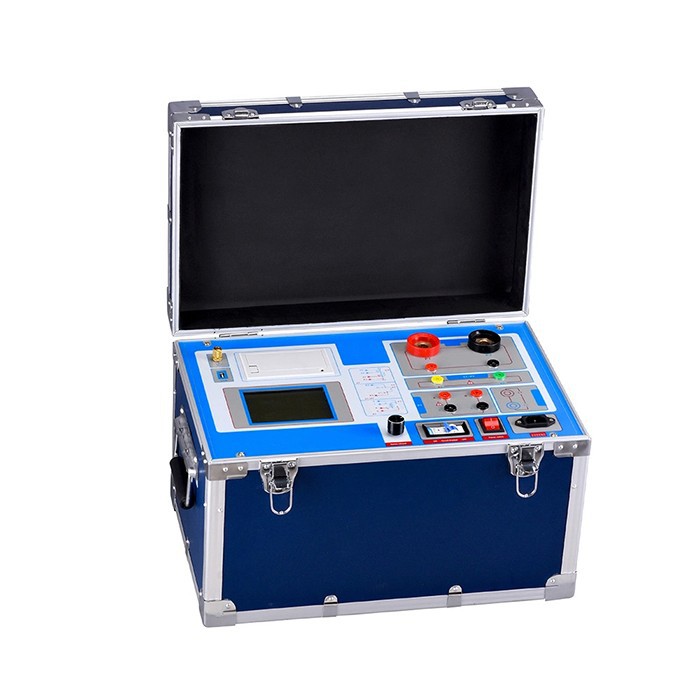
A Multi-Frequency CT PT Analyzer conducts transient analysis by applying various frequency signals to current transformers (CTs) and potential transformers (PTs) and measuring their dynamic response. This process reveals transformer behavior under transient conditions, detecting winding faults, insulation issues, and frequency-dependent performance variations critical for predictive maintenance.
How Does a Multi-Frequency CT PT Analyzer Perform Transient Analysis?
The analyzer sends a series of controlled frequency signals—including harmonics and non-fundamental frequencies—through CTs and PTs. It then captures the transformer’s transient response using high-speed data acquisition, analyzing changes in amplitude and phase. This reveals transient phenomena such as saturation, coupling effects, or winding deformation, enabling detailed transformer diagnostics in manufacturing and field tests.
Wrindu’s analyzers integrate advanced multi-frequency excitation and real-time signal processing, enhancing sensitivity for Chinese OEM factories and suppliers.
What Types of Transients Can the Analyzer Detect?
Multi-Frequency CT PT Analyzers detect transient phenomena including inrush currents, saturation effects, winding defects, partial discharges, and frequency-dependent loss variations. Identifying these transients early prevents transformer failure, optimizing reliability for wholesale suppliers and custom factory solutions.
By simulating real-world transient conditions, Wrindu’s analyzers provide comprehensive diagnostics tailored for power system demands.
Which Benefits Does Transient Analysis Provide to Manufacturers and OEMs?
Transient analysis enables early detection of subtle winding or insulation faults that static tests might miss. This ensures products leaving factories are defect-free, meeting strict quality standards. For OEMs, it supports customization by characterizing transformer behavior under diverse operating conditions, enhancing product performance and customer trust.
China-based suppliers gain market advantage by integrating Wrindu’s multi-frequency transient testing capabilities for advanced quality assurance.
Why Is Multi-Frequency Testing Superior to Single-Frequency Testing?
Multi-frequency testing covers a broader spectrum of transformer behaviors, revealing frequency-dependent issues unnoticed with standard 50/60 Hz tests. This comprehensive approach improves fault detection accuracy and simulates field conditions more realistically.
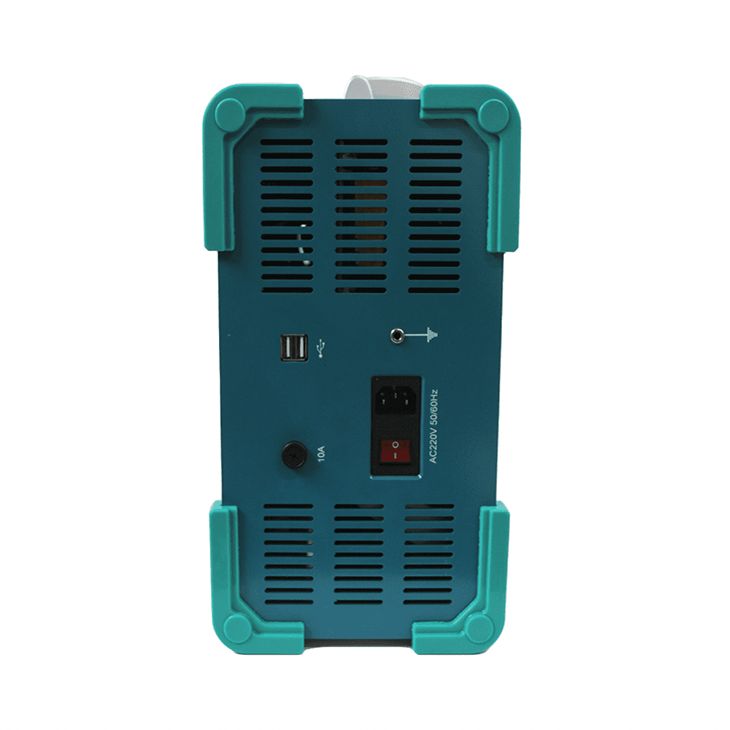
Wrindu’s equipment provides versatile multi-frequency excitations enabling precise transient and frequency response analysis, crucial for sophisticated manufacturing lines and rigorous OEM quality programs.
When Should Transient Analysis with a Multi-Frequency Analyzer Be Conducted?
Transient analysis is recommended during manufacturing stage testing, routine factory maintenance, post-repair inspections, and periodic field diagnostics. Early-stage detection saves costly downtime, while periodic checks maintain long-term transformer health.
Wrindu’s portable and bench analyzers enable seamless integration into production workflows or service operations in China and international markets.
Where Are Multi-Frequency CT PT Analyzers Typically Used?
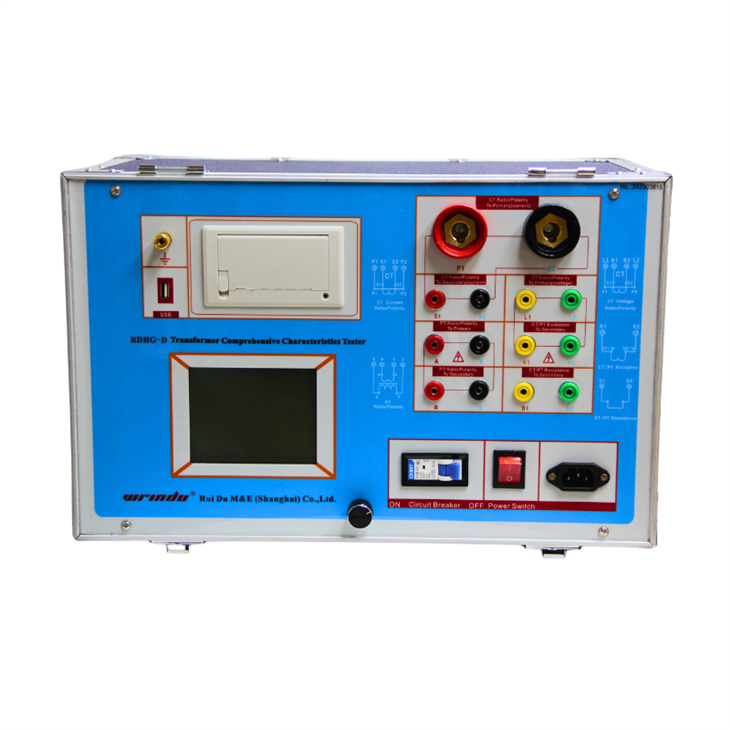
These analyzers are common in power transformer factories, OEM labs, utility service centers, and electrical maintenance facilities. They fit well into quality control departments of Chinese manufacturers and wholesale suppliers focusing on reliable product delivery.
Wrindu supports these environments with versatile instruments designed for both high-volume factory testing and precise field troubleshooting.
Can Transient Analysis Predict Transformer Lifecycle or Failure?
Transient response data helps predict insulation degradation, winding loosening, and core damage. This predictive insight allows manufacturers and utilities to plan maintenance proactively, reducing unexpected failures.
With Wrindu’s analytics software, testers can trend transient parameters, giving suppliers and OEMs actionable data on estimated transformer longevity.
Are There Industry Standards Addressing Transient Analysis Procedures?
Yes, standards such as IEC 60076, IEEE C57, and others outline testing methodologies, ensuring consistent transient and multi-frequency assessments. Compliance verifies transformer integrity and global market acceptance.
Wrindu’s products align with these standards, meeting certification requirements for China-based exporters and factory quality systems.
How Does Wrindu Ensure Quality and Reliability in Multi-Frequency CT PT Analyzers?
Wrindu combines strict ISO9001 manufacturing controls with innovation-driven R&D to build analyzers that offer stable multi-frequency output, high-resolution transient capture, and user-friendly interfaces. These features guarantee precise diagnostics needed by Chinese factories, OEMs, and wholesale suppliers to achieve market leadership.
Wrindu Expert Views
“Transient analysis via multi-frequency CT PT analyzers is a game-changer in transformer diagnostics. Wrindu emphasizes delivering equipment that captures subtle transient signals overlooked by traditional tests, empowering manufacturers and technicians to pinpoint early-stage faults. Our commitment to quality manufacturing in China and rigorous compliance ensures global clients receive reliable, accurate tools for enhanced transformer life management.” — Wrindu Product Manager
Multi-Frequency CT PT Analyzer Features Comparison Table
| Feature | Description | Application Benefit |
|---|---|---|
| Multi-frequency excitation | Covers fundamental and harmonic frequencies | Comprehensive fault detection |
| High-speed transient capture | Real-time acquisition of transient signals | Accurate dynamic behavior analysis |
| Portable and bench models | Flexible use in factory or field | Versatile testing environments |
| Automated data analysis software | Simplifies transient interpretation | Effortless quality control & reporting |
Conclusion: Essential Insights and Recommendations
A Multi-Frequency CT PT Analyzer transforms transient analysis by applying broad frequency signals to detect winding and insulation abnormalities invisible to conventional testing. For Chinese manufacturers, suppliers, and OEMs, Wrindu’s high-performance analyzers ensure precise diagnostics, elevating product quality and reliability. Efficiently integrating transient analysis into production and maintenance protocols helps prevent failures, extend transformer lifespan, and meet global standards confidently.
FAQs
What frequencies does a multi-frequency analyzer test?
Typically, it tests from fundamental 50/60 Hz up to several kHz, covering harmonics relevant for transformer behavior.
Can transient analysis detect partial discharge?
Yes, transient signals often correlate with insulation defects causing partial discharges.
Is transient testing possible onsite?
Portable analyzers like Wrindu’s enable field transient assessments with high accuracy.
How often should transient analysis be performed?
Ideally at factory acceptance, post-repair, and periodically during maintenance intervals.
Can this analyzer test both CTs and PTs?
Yes, multi-frequency analyzers are designed to assess both current and potential transformers effectively.