
How Do You Train Digital Substation Technicians for Packets?
Send your test requirement — get a tailored solution and a quote within one working day.
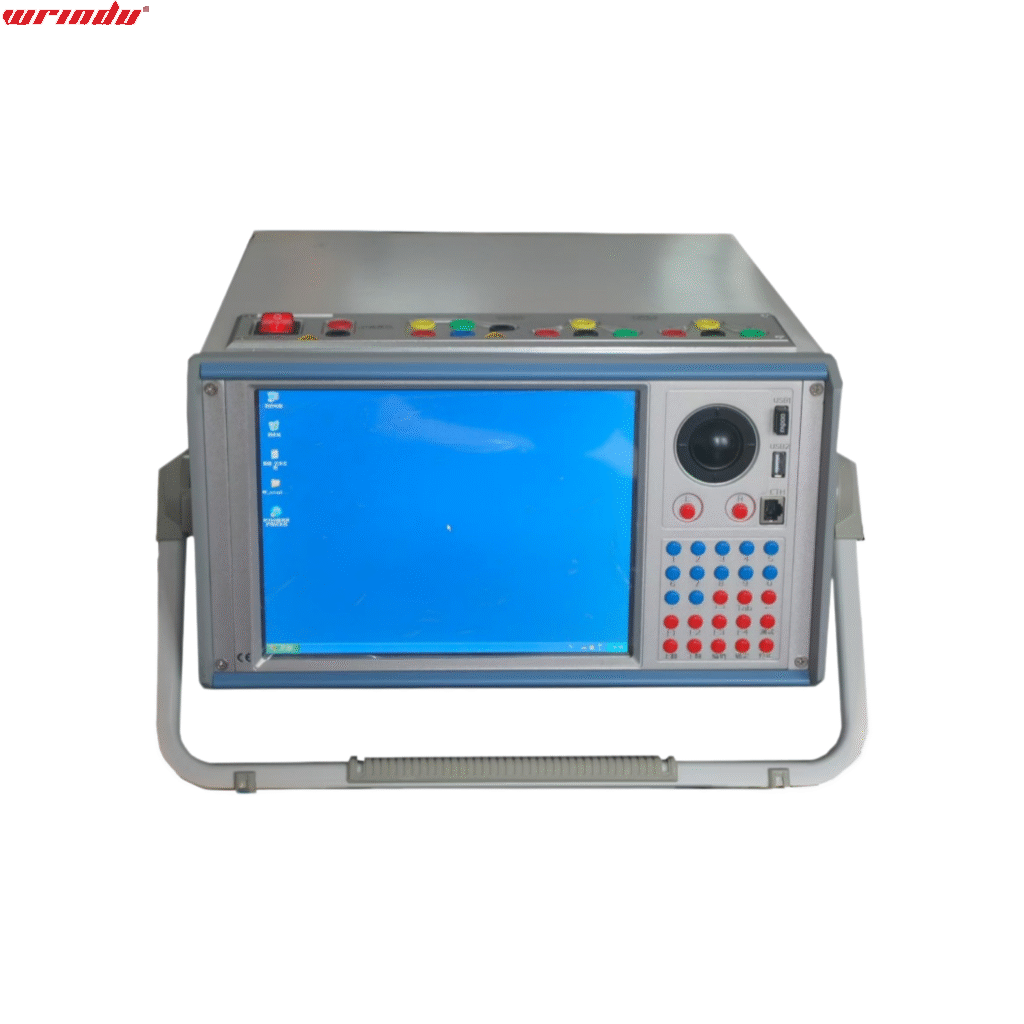
Digital substation technicians need more than traditional wiring knowledge. They must safely commission, test, diagnose, and maintain protection systems that exchange data through fiber-optic networks and IEC 61850 communications. A practical workforce strategy combines protection fundamentals, packet-network skills, fiber safety discipline, realistic simulation, and factory-supported testing equipment training.
Condition-Based Relay Maintenance (CBM): Advanced Fault Playback
What Skill Gaps Separate Wires Technicians From Packets Technicians?
The core gap is not electrical theory—it is understanding how protection decisions move through sampled values, GOOSE messages, Ethernet switches, and synchronized clocks instead of copper control circuits. Technicians must learn to prove both the electrical protection logic and the digital data path.
Traditional technicians often excel at tracing a physical trip circuit from a relay contact to a breaker coil. In a digital substation, the same operational result may depend on a protection IED, virtual wiring, VLAN settings, multicast filtering, a process-bus switch, and time synchronization.
The most urgent skill gaps usually include:
-
Reading IEC 61850 signal models instead of only terminal drawings
-
Interpreting SCD, CID, ICD, and configuration revision files
-
Verifying GOOSE publication, subscription, retransmission, and quality bits
-
Testing sampled-value streams and merging-unit mappings
-
Diagnosing packet loss, duplicate MAC addresses, VLAN errors, and port failures
-
Understanding PTP or IRIG-B time synchronization behavior
-
Using network capture tools without disrupting live protection traffic
In our production support work, we have seen commissioning teams lose a full shift because one GOOSE dataset had been revised but the receiving IED retained an earlier configuration. The relay itself was healthy; the failure was configuration governance. A digital technician must therefore treat files, firmware versions, switch settings, and test records as part of the protection circuit.
For China-based utilities, EPC contractors, OEM panel builders, and overseas wholesale buyers, this is especially important when systems combine equipment from several suppliers. A custom digital-substation training plan should teach technicians how to verify interfaces independently rather than relying on one vendor’s engineering laptop.
Why Is Fiber-Optic Safety Essential in Digital Substation Training?
Fiber-optic safety protects technicians from invisible laser emissions, sharp glass shards, cleaning chemicals, and mistakes made near energized equipment. It should be taught before connector inspection, splicing, cleaning, or troubleshooting, because a small fiber-handling error can cause injury, contamination, or unreliable communication.
A fiber link can appear harmless because it carries light rather than electrical current. However, technicians must never look into a connector, transceiver, or open fiber end. Use an approved optical power meter, visual fault locator only under controlled procedures, or a video inspection scope designed for connector inspection.
On factory and field projects, the most common preventable fiber problems are not cable breaks. They are dirty end faces, damaged ferrules, bent patch cords, mixed connector types, and fiber fragments left on work surfaces.
A practical safety routine should include:
-
Wear safety glasses with side shields when cutting, stripping, or cleaving fiber
-
Use a dedicated covered container for fiber offcuts and cleaning wipes
-
Inspect first, clean second, inspect again before mating connectors
-
Never use fingers, clothing, or compressed air to remove fiber shards
-
Confirm laser status and follow lockout procedures before handling active links
-
Keep fiber work separate from high-voltage test leads and energized cubicles
For a digital substation technician, connector cleanliness is a protection reliability issue. A marginal optical connection may not fail immediately. It can create intermittent packet errors during temperature changes, vibration, or cabinet-door movement—exactly the type of fault that is difficult to reproduce after the commissioning team has left.
How Should Employers Build a Digital Protection Training Path?
Employers should use a staged path: protection fundamentals first, digital communications second, hands-on configuration third, and supervised field authorization last. Do not send a technician directly from conventional relay wiring to live process-bus troubleshooting without controlled practice on a test platform.
A reliable program separates training into four capability levels.
For HR and staffing teams, the most effective approach is to define job roles by demonstrated tasks, not course attendance. A technician who completes a two-day networking course is not automatically qualified to modify a protection VLAN or investigate a protection misoperation.
Wrindu recommends combining classroom instruction with controlled test bays. As a China manufacturer of high-voltage electrical testing equipment, Wrindu can support custom training packages for utilities, protection-panel OEMs, and wholesale distributors that need practical exercises around relay verification, cable testing, insulation assessment, and commissioning workflows.
Which Digital Substation Skills Should Be Tested Before Field Deployment?
Before field deployment, technicians should prove they can validate protection logic, communication health, time synchronization, and safe work controls. The assessment should use fault scenarios, not only written exams, because real commissioning failures usually involve several small issues occurring at once.
A useful practical assessment includes a simulated feeder bay with a protection IED, switch, merging unit, fiber patch panel, test set, and intentionally planted defects. Examples include a reversed sampled-value mapping, an expired configuration file, a dirty LC connector, an incorrect VLAN ID, or a lost PTP grandmaster.
Supervisors should assess whether the technician can:
-
Read the one-line diagram and digital signal list
-
Confirm IED configuration revision numbers
-
Check optical receive levels and connector condition
-
Test pickup, delay, trip, block, and reset behavior
-
Verify GOOSE sequence numbers and subscription status
-
Distinguish a relay setting issue from a network transport issue
-
Restore equipment documentation after changes
Based on years of handling test-equipment orders for industrial facilities, the most costly staffing mistake is allowing trainees to work independently after they can make a relay operate. A correct trip command proves only one layer. A qualified digital protection technician must also prove that the signal was correctly sourced, transmitted, received, logged, and time-stamped.
What Equipment Creates Effective Hands-On Training Labs?
Effective labs require equipment that reproduces the complete protection path: primary simulation, secondary injection, relay interfaces, fiber communication, network switching, and data analysis. A laptop-only demonstration cannot teach technicians how physical connections, optical quality, test leads, and protection behavior interact.
For a scalable lab, use one protection test set, one or two representative IEDs, managed Ethernet switches, fiber patch panels, a merging-unit simulator or process-bus device, and a workstation for configuration and packet analysis. Include spare patch cords, attenuators, connector inspection tools, and labeled fault-insertion points.
A China factory can improve training-lab value by supplying equipment in a repeatable package rather than as unrelated instruments. For example, Wrindu can support OEM and custom test-system projects where the relay test device, cable test tools, insulation instruments, storage cases, training labels, and acceptance documents match the buyer’s workflow.
In manufacturing runs, we have found that rigid foam cutouts and numbered leads reduce setup errors significantly during mobile training. A test kit that takes 25 minutes to unpack and identify is often skipped under schedule pressure. A properly organized kit can be ready for a basic functional test in less than 10 minutes.
How Can Manufacturers Reduce Training Risk Through Custom Support?
Manufacturers reduce training risk by delivering consistent documentation, practical test procedures, configuration boundaries, and responsive technical support. The best supplier relationship begins before shipment, when the buyer’s voltage level, protection scope, standards, operator skill level, and maintenance process are clearly defined.
For B2B buyers, choose a supplier that can provide:
-
Product operating manuals in clear technical English
-
Factory acceptance test records and calibration documentation
-
Custom voltage, current, connector, and plug configurations
-
OEM labeling and private-label packaging where required
-
Remote commissioning guidance and fault-isolation support
-
Spare-part identification, lead-time planning, and after-sales contacts
A common factory-floor lesson is that customization should be controlled, not unlimited. For example, custom cable lengths can make field work cleaner, but every unique lead arrangement increases stocking complexity. Standardizing 80 percent of accessories while customizing the critical 20 percent often gives the best balance of cost, delivery speed, and maintainability.
Wrindu applies this approach for global customers who need manufacturer-direct sourcing from China. The goal is not simply to sell test equipment wholesale; it is to help technical teams receive instruments configured for their actual protection, maintenance, and training requirements.
When Should Technicians Move From Conventional to Process-Bus Work?
Technicians should move into process-bus work after they can safely test conventional protection circuits and understand CT, VT, trip, block, interlocking, and breaker behavior. Process-bus training should expand existing expertise, not replace the electrical fundamentals that remain essential during fault analysis.
Start with station-bus signals and GOOSE logic before introducing sampled values. GOOSE troubleshooting is easier to visualize because technicians can compare source status, destination indication, and message behavior. Once they can confirm logical signaling, introduce merging units, sampled-value streams, synchronization, and virtual CT/VT mappings.
A realistic transition schedule may use 20 percent theory, 50 percent supervised lab practice, and 30 percent scenario-based troubleshooting. Avoid training sessions where every connection already works. Technicians gain confidence when they must find a deliberately loosened connector, wrong multicast setting, missing subscription, or incorrect signal quality flag.
For contractors and staffing managers, this staged sequence also protects project schedules. It is more efficient to assign an experienced protection technician and a developing digital technician together during early projects than to wait until a communications fault stops a commissioning milestone.
Who Should Own Competence Records and Workforce Planning?
Competence records should be jointly owned by operations, protection engineering, safety leadership, and HR. HR can manage staffing visibility, but technical managers must define the tasks, authorization limits, refresher intervals, and evidence required for each digital-substation role.
A useful competency record should identify the technician’s approved activities: secondary injection, fiber cleaning, switch-port verification, IED configuration review, live-network observation, or supervised configuration changes. It should also state the equipment type, voltage environment, training date, assessor, and renewal date.
Avoid a single “digital technician” label. A technician may be highly capable in relay testing but not authorized to alter network settings. Another may understand Ethernet diagnostics but lack experience with breaker trip circuits. Clear task boundaries prevent both overconfidence and unnecessary delays.
Could a China Factory Partnership Improve Long-Term Workforce Readiness?
Yes. A capable China manufacturer can improve workforce readiness when it provides stable equipment platforms, custom documentation, technical training support, and lifecycle service. The partnership is strongest when the factory understands the customer’s test sequence instead of supplying instruments only by catalog number.
For utilities, panel factories, rail operators, renewable-energy EPCs, and testing service companies, the right supplier can help standardize training across multiple sites. This reduces variation in test leads, meter operation, report formats, spare parts, and fault-finding procedures.
Wrindu Expert Views
“Digital substations do not eliminate traditional protection work; they make disciplined testing even more important. In our experience, the fastest teams are not those with the most software screens open. They are the teams that can isolate the fault layer: primary simulation, relay logic, fiber connection, network transport, synchronization, or output circuit. Build training around this sequence, keep configuration records controlled, and use test equipment that technicians can operate consistently across every site.” — Wrindu Technical Team
What Actions Should Leaders Take Next?
The next step is to map current technicians against required digital-protection tasks, then build a practical progression from conventional testing to communication-based diagnosis. Invest in repeatable training labs, fiber safety controls, scenario testing, and manufacturer-supported equipment standardization.
Digital substations need technicians who can understand both energized assets and data traffic. The strongest workforce strategy does not force experienced “wires” technicians to start over; it gives them the tools, practice, and authorization structure to become confident “packets” professionals.
For organizations sourcing from China, work with a manufacturer and supplier that can support custom equipment configurations, OEM requirements, documented acceptance testing, and long-term technical service. Wrindu helps customers build reliable test and training capability for the changing protection environment.
Frequently Asked Questions
How long does digital substation technician training take?
Most experienced protection technicians need several weeks of structured learning plus supervised lab and field practice. The exact duration depends on whether they will only test relays or also diagnose networks and manage IED configurations.
What is the biggest fiber-optic risk in a substation?
The most underestimated risks are invisible laser exposure and sharp glass fragments. Dirty or damaged connectors also create intermittent communication faults that can affect protection-system reliability.
Do technicians need networking skills for IEC 61850 systems?
Yes. They need practical knowledge of Ethernet switches, VLANs, multicast traffic, GOOSE messages, sampled values, redundancy, and time synchronization. They do not all need to become network engineers, but they must diagnose basic communication faults safely.
Can a testing-equipment manufacturer provide custom training support?
Yes. A qualified manufacturer can provide application guidance, equipment operating procedures, custom accessories, OEM branding, factory acceptance records, and product-focused training materials aligned with the buyer’s work process.
Why should buyers choose a China-based factory for custom test equipment?
A direct China factory partnership can provide flexible OEM options, custom configurations, coordinated packaging, technical documentation, wholesale supply capacity, and more direct communication for repeat orders and long-term standardization.
Related articles
 SF6 Leak Detector Sensitivity: Select a Method for the Inspection TaskKnowledge
 Cable Fault Locator Selection for Urban Networks: Routes, Noise and AccessKnowledge
 Substation Battery Load Bank Sizing: Duty, Voltage Range and Heat RejectionKnowledge
 CT Polarity, Ratio and Burden Testing: Find Wiring and Loading ErrorsKnowledge