
How can utilities in China master F-gas regulations and SF6 mass balance reporting?
Send your test requirement — get a tailored solution and a quote within one working day.
China utilities must treat SF6 and other F-gases as tightly controlled greenhouse gases, tracking every kilogram from purchase to retirement in a closed loop. Mass balance reporting compares gas in stock, gas in equipment, and gas lost, forming the basis for audit‑ready records, carbon credit strategies, and legal liability control in high‑voltage switchgear and GIS operations.
IEC 60376 & IEC 62271-4 Compliance: Navigating F-Gas Reporting
What is SF6 and F-gas regulation doing to reshape utility risk in China?
SF6 and other F-gases are now monitored across their full life cycle, from cylinder receipt to end-of-life recovery, under Chinese safety, hazardous chemical, and environmental standards. Regulators and major grid companies increasingly treat SF6 management as part of environmental performance evaluation, tying gas losses directly to corporate responsibility and future compliance costs.
On the factory side in China, we see this shift in tender documents and utility RFQs: SF6 leakage limits and recovery obligations are now contractual, not just “best practice.” Production lines for gas‑insulated equipment must document SF6 purity, cylinder inspection cycles, and closed-loop recovery systems according to GB 12022 and DL/T 595, because utilities will be audited against these same standards in their long‑term operation and maintenance archives. For a manufacturer, wholesale supplier, or OEM partner, this means that SF6 handling procedures are no longer a hidden internal process; they sit at the center of multi‑year liability discussions with grid clients, insurers, and even carbon market consultants.
How does mass balance SF6 reporting actually work inside a utility?
Mass balance SF6 reporting compares total SF6 purchased and recovered against total SF6 installed and remaining, with the difference treated as emissions. In China, large utilities track cylinders, equipment banks, recovery units, and regeneration flows in a unified SF6 account, aiming for recovery rates above 95 percent and purification rates above 98 percent in overhauled and decommissioned gear.
From our production runs and on‑site service work with Chinese utilities, the practical mass-balance workflow usually includes seven concrete steps:
-
Cylinder intake and weighing at the warehouse.
-
Transfer logs when gas moves from cylinder to mobile cart or GIS/GCB.
-
Per-bay SF6 fill records using calibrated flow meters.
-
Scheduled leak checks and top‑up records, with calculated loss.
-
Recovery cart logs during maintenance or decommissioning.
-
Purification batches with quality test results tied back to GB 12022.
-
A central SF6 ledger where each movement is reconciled monthly.
When Wrindu teams support clients, we insist that every fill or recovery event has a unique job ID, so the utility can reconstruct emissions by project, site, and contractor rather than guessing at annual totals.
SF6 mass balance components table
Why are China manufacturers and OEMs central to SF6 compliance for utilities?
China manufacturers, OEMs, and custom switchgear factories set the technical envelope for SF6 leakage rates and recovery options; they design the valves, sampling ports, and gas carts that determine how easy compliance will be in real substation conditions. Utilities increasingly select partners who can deliver equipment with integrated gas management features and documented SF6 lifecycle support.
Because Wrindu operates as both design house and manufacturer, we see how procurement language has changed. A decade ago, utilities mainly asked about insulation level, breaking capacity, and footprint. Today, they add clauses about SF6 mass balance, gas recovery interfaces, and compatibility with low‑GWP alternatives. For an OEM supplier, this shifts engineering priorities: we design flange layouts to minimize dead volumes, specify high‑quality sealing materials with proven leak rates over 30‑year lifetimes, and provide dedicated sampling ports that allow gas quality checks without venting. In high‑volume Chinese production, a 0.2 percent improvement in leak performance at factory test can translate into several dozen tonnes of avoided SF6 emissions across a fleet, which matters once carbon pricing and internal environmental scoring land on the utility’s balance sheet.
Which practical records must utilities and factories keep for audit-ready SF6 mass balance?
Utilities and factories must keep traceable SF6 records across procurement, installation, operation, and end-of-life: cylinder logs, equipment nameplate charges, gas quality tests, maintenance recovery weights, and purification batch results. In China, major grid companies are already using centralized SF6 accounts and environmental performance evaluations that depend on the timeliness and completeness of this data.
In real projects, we typically enforce five core document families:
-
Procurement records pairing cylinder ID, batch purity, and delivery site.
-
Commissioning packs with SF6 filling logs, calibrated instrument certificates, and final mass per bay.
-
Routine maintenance reports including leak checks, top‑up amounts, and diagnostic gas analysis.
-
Overhaul and decommissioning dossiers with recovery weights and regeneration outcomes.
-
Annual SF6 mass balance summaries signed by both utility and OEM partners.
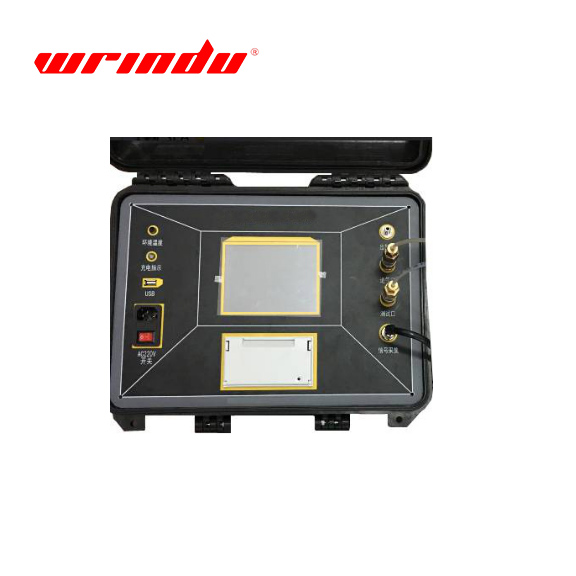
Wrindu’s test equipment, such as high-voltage SF6 gas analyzers and portable density monitors, is built to generate these records in structured data formats that utilities can feed directly into their environmental audit systems, rather than relying on handwritten field notes that are impossible to reconcile at year‑end.
How are carbon credits and greenhouse gas laws changing SF6 economics for Chinese utilities?
Carbon credits and greenhouse gas laws turn SF6 leakage into a quantifiable cost and opportunity. Utilities that minimize SF6 emissions through high recovery rates and adoption of alternative technologies can reduce future regulatory risk, and in some frameworks, claim credits for verified abatement. Poor mass balance documentation, by contrast, exposes operators to financial penalties and reputational damage.
In practice, we see three economic levers:
-
Direct cost of SF6: while gas prices have eased as China’s production expanded, losses still compound across thousands of bays.
-
Implicit carbon cost: even before a formal levy, internal “shadow pricing” of SF6 emissions guides investment decisions towards better sealing and more recovery capacity.
-
Opportunity value: pilot SF6‑free GIS or advanced recovery programs often attract financing or support packages from utilities, banks, or development agencies.
At Wrindu, we sometimes model scenarios where a utility upgrades from 90 percent to 97 percent recovery rate on decommissioned equipment. Over a 10‑year program, the incremental recovered SF6 can approach hundreds of tonnes, which not only reduces emissions but also lowers new gas purchase volumes—turning tight environmental management into a capital planning advantage.
What factory-floor controls can reduce SF6 leaks before equipment reaches the grid?
Factory-floor controls can dramatically reduce SF6 leaks by using high-purity gas, rigorous pre‑assembly cleaning, optimized O‑ring selection, and full‑pressure leak tests that mirror field conditions. In China switchgear factories, SF6 management is no longer a backroom activity; it is embedded into production SOPs and quality gates as a critical parameter tied to downstream utility liability.
In our Shanghai facility, SF6 leak performance starts with machining tolerances and surface finish of flanges and housings. We track roughness values and enforce cleaning protocols to avoid micro‑paths for leakage over time. O‑ring selection is guided by known compatibility with SF6 and temperature cycles observed in different provinces—from dry northern climates to coastal humidity. During routine runs, we conduct full‑pressure hold tests of assembled bays for 24–48 hours, recording pressure decay in precise increments. If we see a pattern of borderline results around a particular casting batch or supplier, we block that material and feed the data back into purchasing. This level of detail allows utilities buying wholesale or OEM product from China to rely on realistic leak curves, not idealized brochure numbers.
How can utilities structure SF6 inventory and cylinder management to pass environmental audits?
Utilities can pass environmental audits by structuring SF6 inventory around clear cylinder hierarchies, barcode or RFID identification, defined inspection cycles, and dedicated storage zones that meet Chinese gas cylinder safety regulations. The SF6 cylinder estate must be visible to both the warehouse team and environmental auditors, with every movement logged and reconciled against mass balance reports.
A robust cylinder program typically includes:
-
Unique ID for every cylinder, linked to manufacturer, batch, and inspection date.
-
Segregated storage for full, in‑use, and empty/recovery cylinders.
-
Periodic weighing to validate remaining contents and spot unexplained losses.
-
Integration of cylinder data into SF6 mass balance accounting, rather than treating it as a separate logistics system.
Wrindu supports several utilities that now treat SF6 cylinder management like a mini‑bank account: no cylinder moves without a signed digital record, and age or inspection exceptions trigger automatic replacement workflows. In our experience, this discipline alone can close a large portion of “mysterious” SF6 emissions that previously appeared in audit reports as untraceable differences.
Are there proven SF6 recovery and purification strategies that work for China utilities?
Yes, proven SF6 recovery and purification strategies combine mobile recovery carts, centralized purification plants, and strict quality control aligned with GB/T 12022. China’s leading utilities already target recovery rates above 95 percent on overhauled and retired equipment, then reuse regenerated gas first in new fills to cut both emissions and purchase needs.
On real decommissioning projects, we first map the SF6 bank across a substation: gas in GIS, circuit breakers, and spare cylinders. Mobile recovery units are staged with redundancy to avoid emergency venting. Gas flow paths are planned to minimize contamination from adsorbents and metal powder, which must be collected as hazardous waste under DL/T 639. At the centralized purification facility, we test moisture, air content, and mineral oil contamination against national standards; batches that fail are flagged for further treatment or disposal. Utilities partnering with manufacturers like Wrindu can leverage shared quality labs instead of building their own from scratch, reducing capex while still securing clean, audit‑ready SF6 recovery data.
SF6 recovery and purification workflow chart (conceptual)
-
Identify SF6 equipment and cylinder inventory at site.
-
Connect recovery carts and evacuate equipment to designated recovery cylinders.
-
Transport recovered gas to central purification facility.
-
Test gas quality (moisture, air content, impurities) against GB/T 12022 thresholds.
-
Purify via filtration, drying, and separation processes until metrics meet standard.
-
Re‑qualify gas and return to stock, prioritizing reuse in new or refurbished equipment.
-
Log all weights and test results into the SF6 mass balance ledger for emission calculations.
Which roles do Chinese power testing manufacturers like Wrindu play in SF6 reporting and audit success?
Chinese power testing manufacturers such as Wrindu provide the metering, diagnostic, and data‑logging tools that make SF6 reporting reliable, repeatable, and acceptable to auditors. By supplying high‑voltage test sets, gas analyzers, and integrated data solutions, we help utilities prove that their SF6 figures are not estimates but measurement‑backed records.
In many projects, Wrindu is involved from scheme design to commissioning: we define how SF6 mass balance data will be captured in the test phase, specify which parameters need to be logged (density, moisture, purity), and train technicians to calibrate instruments on schedule. Our equipment supports transformers, circuit breakers, GIS, arresters, batteries, and cables, but the core idea is the same: every test produces consistent digital data that slots into the utility’s environmental reporting backbone. Because we reinvest heavily in product development, our newer analyzers are engineered to withstand harsh field conditions without drift, so that SF6 emissions estimates are based on trustworthy readings, not noisy signals that invite regulator skepticism.
Wrindu Expert Views
“From our on-site experience, SF6 reporting succeeds when utilities treat gas like a financial asset, not just a consumable. Once every kilogram is traced from factory cylinder to substation bay and back to recovery plant, the conversation with regulators changes: you’re no longer explaining losses—you’re demonstrating control. That’s exactly where Wrindu positions its testing and diagnostic solutions.”
How should China-based OEM factories align SF6 practices with global F-gas trends?
China-based OEM factories should align SF6 practices with global F-gas trends by designing equipment ready for SF6-free alternatives, minimizing leak rates, and supporting utilities with comprehensive gas management documentation. As EU and U.S. regulations phase down SF6, Chinese manufacturers that anticipate these requirements will remain competitive as export suppliers and trusted domestic partners.
Inside Wrindu’s engineering teams, we already plan around dual roadmaps: one path for optimized SF6 systems that meet current Chinese standards, and another for future SF6‑free or low‑GWP insulation technologies demanded by overseas clients. This affects everything from bay layout to test procedures. We also advise Chinese utilities not to wait for a sudden ban; instead, pilot alternative technologies in targeted substations, integrate them into their environmental reporting, and gradually reduce dependence on SF6 banks. OEM factories that document their readiness for this transition—via design files, test reports, and field pilots—will strengthen their position as long‑term strategic suppliers rather than short‑term commodity vendors.
Conclusion: How can utilities and manufacturers in China turn SF6 reporting into a strategic advantage?
Utilities and manufacturers in China can turn SF6 reporting into a strategic advantage by treating mass balance accounting as a core operational discipline, not just a compliance checkbox. When every gas movement is measured, logged, and optimized, leak rates fall, recovery improves, and the same dataset can support audits, internal performance scores, and future carbon market participation.
For utilities, the actionable steps are clear: build a unified SF6 ledger, rationalize cylinder management, standardize recovery and purification workflows, and require detailed documentation from every OEM supplier. For factories and wholesale partners, the priority is to embed SF6 management in design, production, and testing, so that delivered equipment arrives with predictable leak behavior and ready‑made reporting hooks. As Wrindu has seen in many projects, the operators who invest early in this discipline face audits with confidence, negotiate better financing, and are first in line when new grid expansion or SF6‑free pilot programs demand reliable, environmentally responsible partners.
Does mass balance SF6 reporting apply to small utilities and industrial users?
Yes. Even smaller utilities and industrial plants benefit from mass balance SF6 reporting, because it clarifies gas losses, supports maintenance planning, and reduces future regulatory risk once F-gas rules tighten for non‑grid operators.
Can a China factory help design a utility’s SF6 reporting templates and workflows?
Yes. Experienced China factories like Wrindu often co‑develop SF6 reporting templates, tagging test data and equipment records so utilities can integrate mass balance accounts without starting from a blank sheet.
Are SF6-free technologies already practical for medium-voltage switchgear in China?
Yes. SF6-free solutions for medium-voltage switchgear are already on the market, and Chinese utilities can deploy them in pilot projects while keeping SF6 systems under strict mass balance control during the transition.
What is the most common SF6 reporting failure revealed during environmental audits?
The most common failure is inconsistent data between cylinder records, equipment banks, and recovery logs, leading to unexplained SF6 losses that auditors treat as emissions and potential non‑compliance.
Could SF6 recovery and regeneration programs qualify for future carbon credit mechanisms?
Potentially. Well‑documented SF6 recovery and regeneration programs might support future carbon credit claims, but only if the underlying measurement, mass balance, and verification processes are robust and transparent.
Related articles
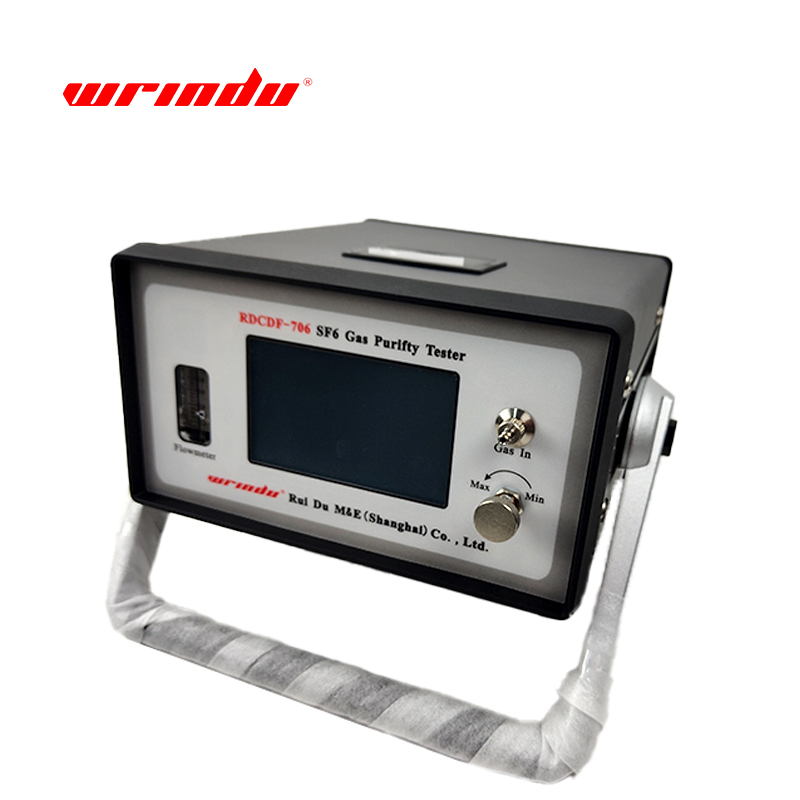 SF6 Leak Detector Sensitivity: Select a Method for the Inspection TaskKnowledge
 Cable Fault Locator Selection for Urban Networks: Routes, Noise and AccessKnowledge
 Substation Battery Load Bank Sizing: Duty, Voltage Range and Heat RejectionKnowledge
 CT Polarity, Ratio and Burden Testing: Find Wiring and Loading ErrorsKnowledge