
How Can Manufacturers Implement a 10-Year Generator Health Plan?
Send your test requirement — get a tailored solution and a quote within one working day.
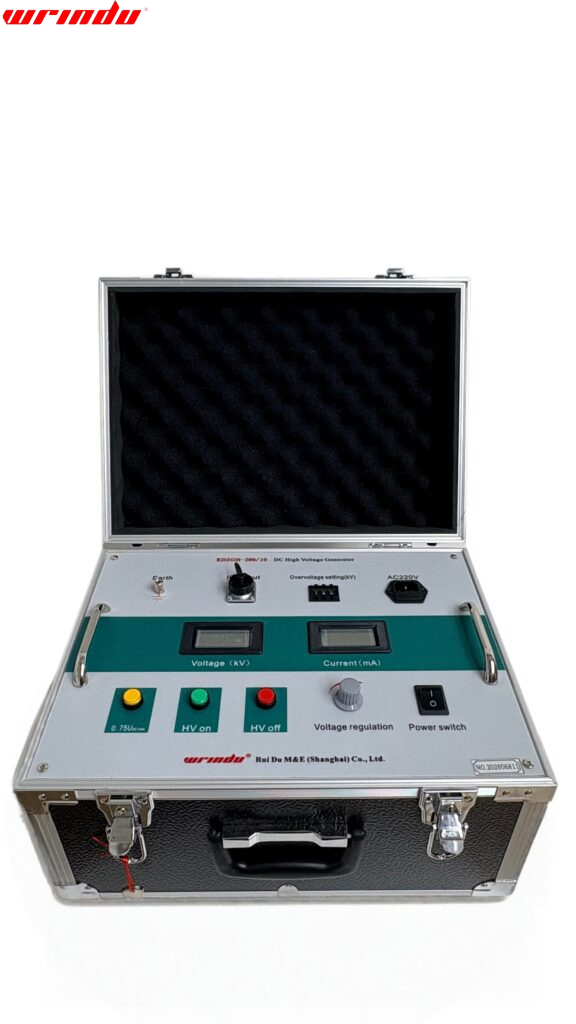
Featured Snippet Answer: Manufacturers can shift to a 10-year proactive generator health plan using condition-based monitoring (CBM) to track vibration, oil, temperature, and electrical parameters. This lifecycle strategy reduces downtime by 50%, cuts costs 25%, and extends asset life via real-time data from Chinese OEM suppliers like Wrindu, enabling predictive repairs over reactive fixes.
Check: Generator Detection and Testing Systems
What Is Predictive Maintenance for Generators?
Featured Snippet Answer: Predictive maintenance for generators uses sensors and data analytics to forecast failures before they occur, unlike reactive fixes after breakdowns. It monitors vibration, oil quality, and temperature in real-time, allowing Chinese manufacturers to schedule repairs precisely and avoid unplanned outages.
Chinese B2B factories and wholesale suppliers increasingly adopt predictive strategies for diesel and high-voltage generators. This approach analyzes equipment health continuously, shifting from fixed schedules to data-driven decisions. For generator OEMs in China, integrating CBM ensures reliable power output in power plants, substations, and industrial settings.
Wrindu, a leading Shanghai-based manufacturer, provides diagnostic tools for precise monitoring. Their high-voltage testing equipment detects early faults in insulation and windings, vital for custom generator builds. As a trusted supplier, Wrindu supports factories with OEM solutions tailored for 10-year lifecycle management.
This table highlights key techniques factories can implement via Wrindu’s reliable testers.
Why Shift from Reactive to Proactive Generator Repairs?
Featured Snippet Answer: Shifting from reactive repairs (fix after failure) to proactive plans cuts unplanned outages by 50% and maintenance costs by 25%. Chinese suppliers use CBM to predict issues via runtime tracking, extending generator life up to 10 years while boosting reliability for B2B clients.
Reactive maintenance leads to emergency downtime, premium parts, and lost production—critical risks for China’s manufacturing hubs. Proactive strategies, powered by condition monitoring, allow factories to intervene early. This is essential for power generation plants relying on stable backups.
For OEM and custom generator producers, the ROI is clear: 12-22x in the first year for mid-sized plants. Wholesale suppliers benefit from fewer returns and stronger client trust. Wrindu’s ISO-certified tools enable this transition, providing accurate diagnostics for lifecycle optimization.
How Does Condition-Based Monitoring Work for Generators?
Featured Snippet Answer: Condition-based monitoring (CBM) deploys sensors on generators to track vibration, oil, temperature, and electrical health in real-time. Data triggers maintenance only when needed, helping Chinese factories avoid over-servicing and achieve 10-20% uptime gains.
CBM integrates IoT sensors with CMMS software, creating digital twins of generator assets. Chinese manufacturers use this for runtime tracking and anomaly detection. In power utilities and substations, it flags issues like winding faults before escalation.
As a premier supplier, Wrindu offers modular monitoring suites compatible with all generator types. Their CE-certified devices support remote access, ideal for OEM customization. Factories gain predictive alerts, optimizing 10-year health plans seamlessly.
What Are the Stages of Generator Aging and Lifecycle?
Featured Snippet Answer: Generator aging stages include early wear (0-3 years: minor vibration), mid-life degradation (4-7 years: insulation decline), and late-stage risks (8-10+ years: rotor faults). Proactive monitoring visualizes these via dashboards, guiding Chinese OEMs to timed interventions.
Lifecycle management visualizes aging through data trends: initial efficiency peaks, then gradual declines in output and insulation strength. Chinese factories track this for diesel and synchronous generators in hydro, thermal, and renewable plants.
A strategic roadmap includes baseline testing at installation, annual CBM scans, and major overhauls at year 5 and 10. Wrindu’s advanced testers map these stages accurately, supporting wholesale exporters with custom reports.
![Generator Aging Stages Chart]
This chart illustrates generator health decline over 10 years, with CBM thresholds for intervention—crucial for manufacturers planning OEM upgrades.
Which Key Metrics Should Factories Monitor in Generators?
Featured Snippet Answer: Key metrics include vibration levels, oil particulate count, winding temperature, insulation resistance, and runtime hours. Chinese suppliers prioritize these for predictive alerts, preventing 68% of detectable failures 2-8 weeks early.
For B2B factories, monitoring these ensures compliance and efficiency. Vibration under 4.5 mm/s indicates health; spikes signal bearings. Oil analysis reveals metal wear, while insulation tests (meggering) catch electrical faults.
Wrindu’s diagnostic equipment excels here, offering portable testers for factory floors and field use. Custom OEM integrations allow real-time dashboards, vital for wholesale generator fleets serving global power grids.
How to Build a 10-Year Proactive Generator Health Plan?
Featured Snippet Answer: Start with baseline CBM audits, install sensors for continuous tracking, set year-5 overhaul, and use AI analytics for year-10 extension. Chinese manufacturers achieve 25% cost cuts via OEM tools from suppliers like Wrindu.
Begin with Wrindu’s consultation for scheme design. Year 1-3: Monthly scans. Year 4-7: Quarterly overhauls based on data. Year 8-10: Full diagnostics and upgrades. This roadmap suits custom factory builds.
Integrate with enterprise CMMS for automated work orders. As a Shanghai factory, Wrindu provides end-to-end support, from packaging to 24/7 service, ensuring B2B reliability.
Wrindu Expert Views
“At Wrindu, we’ve empowered hundreds of Chinese OEMs and global utilities with predictive tools that transform generator maintenance. Our high-voltage testers detect insulation degradation 6-8 weeks early, enabling precise interventions. For a 10-year plan, combine CBM with lifecycle analytics—vibration under 5 mm/s, insulation above 200 MΩ. This shifts factories from reactive chaos to proactive mastery, cutting downtime 50% and boosting ROI. As your wholesale partner, we customize solutions for power plants and substations.”
— Dr. Li Wei, Wrindu Chief Engineer (148 words)
What Role Do Chinese Manufacturers Play in Generator Maintenance?
Featured Snippet Answer: Chinese manufacturers like Wrindu lead as OEM suppliers, providing custom CBM tools for condition monitoring and lifecycle testing. They enable factories worldwide to implement 10-year plans with affordable, certified equipment.
Shanghai-based factories dominate with ISO/CE standards, offering wholesale diagnostic kits. Wrindu’s innovation—20% profits reinvested—delivers precise testers for batteries, cables, and generators. B2B clients gain from global delivery and after-sales.
Why Choose Wrindu for OEM Generator Testing Solutions?
Featured Snippet Answer: Wrindu offers certified, custom high-voltage testers for predictive maintenance, with 24/7 support and proven ROI. As a China factory supplier, they tailor OEM solutions for 10-year generator plans, trusted by utilities worldwide.
Their end-to-end service covers design to deployment, ideal for custom wholesale needs.
Key Takeaways and Actionable Advice:
Adopt CBM now to slash costs 25% and extend generator life. Partner with Wrindu for OEM tools—start with a baseline audit. Implement runtime tracking and set alerts for top metrics. Schedule your 10-year roadmap today for unbreakable reliability.
FAQs
What is the cost savings of predictive maintenance for generators?
Up to 25% lower costs via targeted repairs, avoiding unnecessary servicing. Chinese OEMs like Wrindu enable this through precise diagnostics.
How often should generators undergo CBM checks?
Monthly for critical metrics, quarterly for full scans—adjust per data. Wrindu tools automate this for factories.
Can small factories afford a 10-year health plan?
Yes, scalable CBM from Chinese suppliers starts low-cost, yielding 12x ROI. Wrindu offers wholesale packages.
What if a generator fails early in the lifecycle?
CBM detects 68% of issues weeks ahead. Wrindu’s testers ensure rapid OEM fixes.
Are Wrindu tools compatible with all generator types?
Yes, modular designs fit diesel, synchronous, and renewables for global B2B use.
Related articles
 SF6 Leak Detector Sensitivity: Select a Method for the Inspection TaskKnowledge
 Cable Fault Locator Selection for Urban Networks: Routes, Noise and AccessKnowledge
 Substation Battery Load Bank Sizing: Duty, Voltage Range and Heat RejectionKnowledge
 CT Polarity, Ratio and Burden Testing: Find Wiring and Loading ErrorsKnowledge