
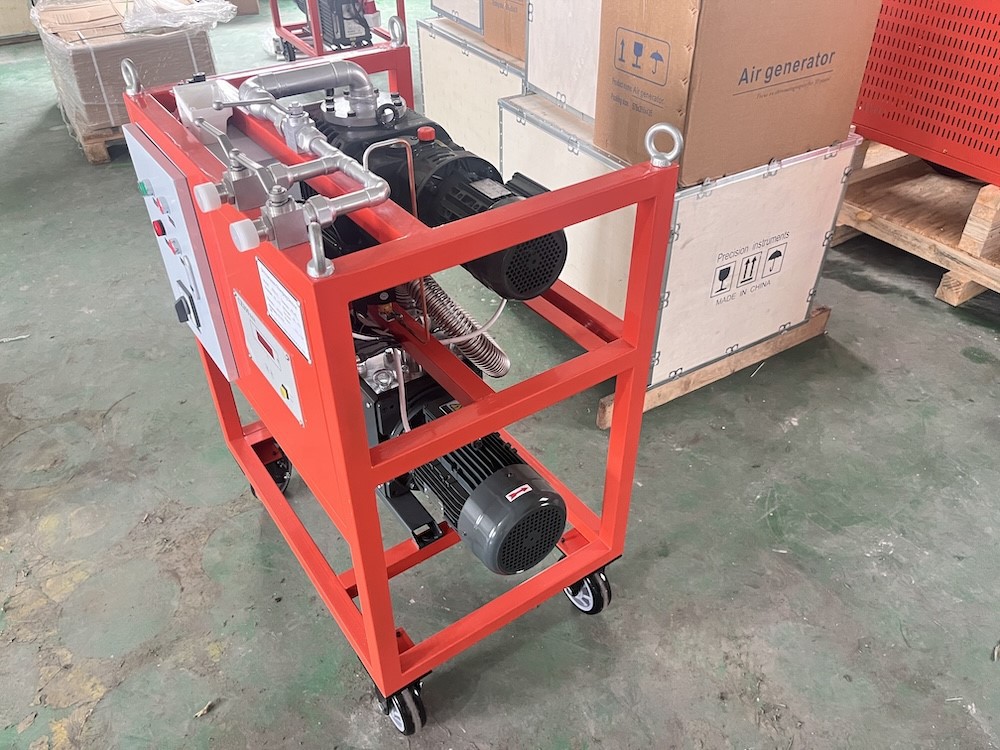
The SF6 gas vacuum charging device is essential for evacuating air and moisture from electrical equipment and refilling it with pure SF6 gas under vacuum conditions to ensure insulation and arc-extinguishing performance. On-site operation involves careful vacuuming, pressure control, and safe gas filling protocols, crucial for power equipment reliability and environmental safety.
How Does an SF6 Gas Vacuum Charging Device Function?
The device creates a deep vacuum inside SF6-insulated electrical equipment to remove moisture, air, and contaminants. After evacuation, SF6 gas is vaporized and injected precisely into the equipment to the required pressure. This process ensures optimal insulation, prevents partial discharge, and extends equipment lifespan by maintaining gas purity and pressure integrity.
Chinese manufacturers such as Wrindu design devices with advanced vacuum pumps, digital vacuum gauges, and safety protections for efficient and reliable operation.
What Are the Key Steps in the On-Site Operation Method?
On-site operation typically includes safety checks, pipeline inspections, grounding verification, vacuum extraction, gas vaporization, and controlled gas filling. Operators connect the device to the equipment via specialized hoses, create vacuum to below 0.06 Pa, maintain vacuum to eliminate residual gas, then slowly fill SF6 gas observing pressure gauges and limiting filling speed to avoid equipment damage.
Strict adherence to protocols and use of quality devices ensure operator safety and equipment performance.
Which Industries and Equipment Use SF6 Gas Vacuum Charging Devices?
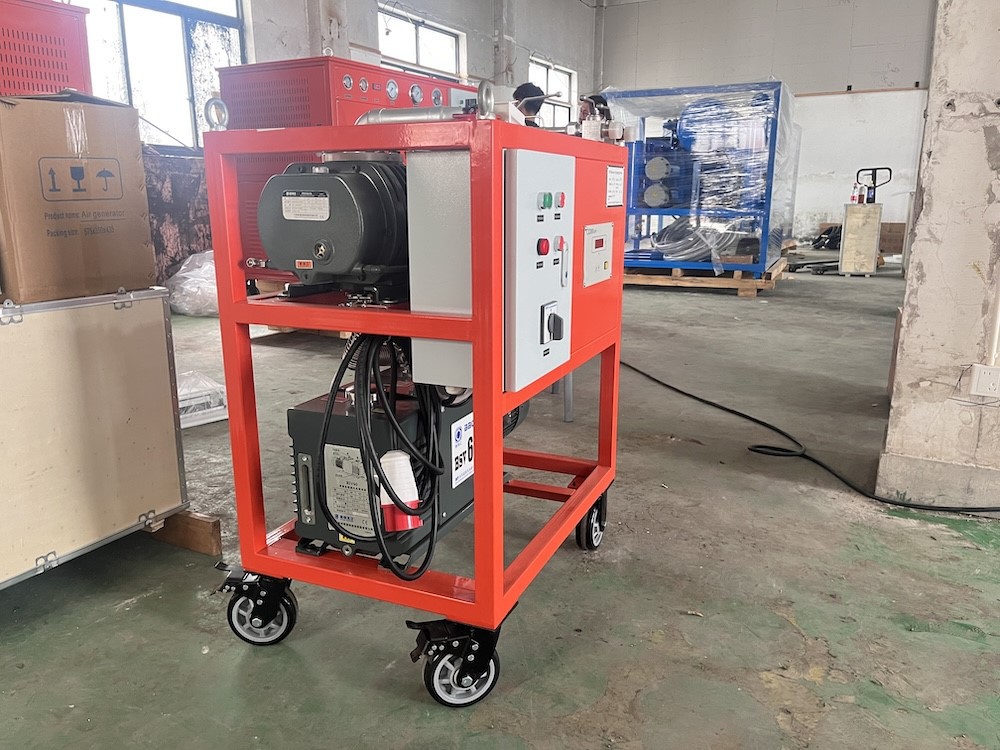
These devices are widely used in power supply companies, substations, transformer manufacturers, and switchgear production plants. Equipment types include Gas Insulated Switchgear (GIS), Gas Circuit Breakers (GCBP, GCBT), transformers, and other gas-insulated electrical apparatus where SF6 gas is a critical insulating medium.
OEM factories like Wrindu supply customized devices meeting stringent industrial standards for installation, maintenance, and repair tasks.
Why Is Vacuuming Important Before SF6 Gas Charging?
Vacuuming removes air, moisture, and contaminants that could compromise insulation effectiveness and cause partial discharges or equipment failure. Creating a high-quality vacuum also ensures that the SF6 gas fills the equipment uniformly and at the correct pressure, stabilizing electrical properties and preventing corrosion or dielectric breakdown.
Without thorough vacuuming, SF6 gas performance and equipment lifespan are severely affected.
Who Should Operate SF6 Gas Vacuum Charging Devices?
Trained and certified technicians or engineers in electrical power sectors operate these devices. They must understand vacuum technology, SF6 gas handling protocols, and safety standards. Manufacturers like Wrindu provide user manuals, training, and after-sales support to ensure proper device handling and operational safety on-site.
Proper operator expertise mitigates risks of gas leakage, environmental impact, and equipment damage.
How Can B2B Factories Benefit from OEM and Wholesale SF6 Vacuum Charging Devices from China?
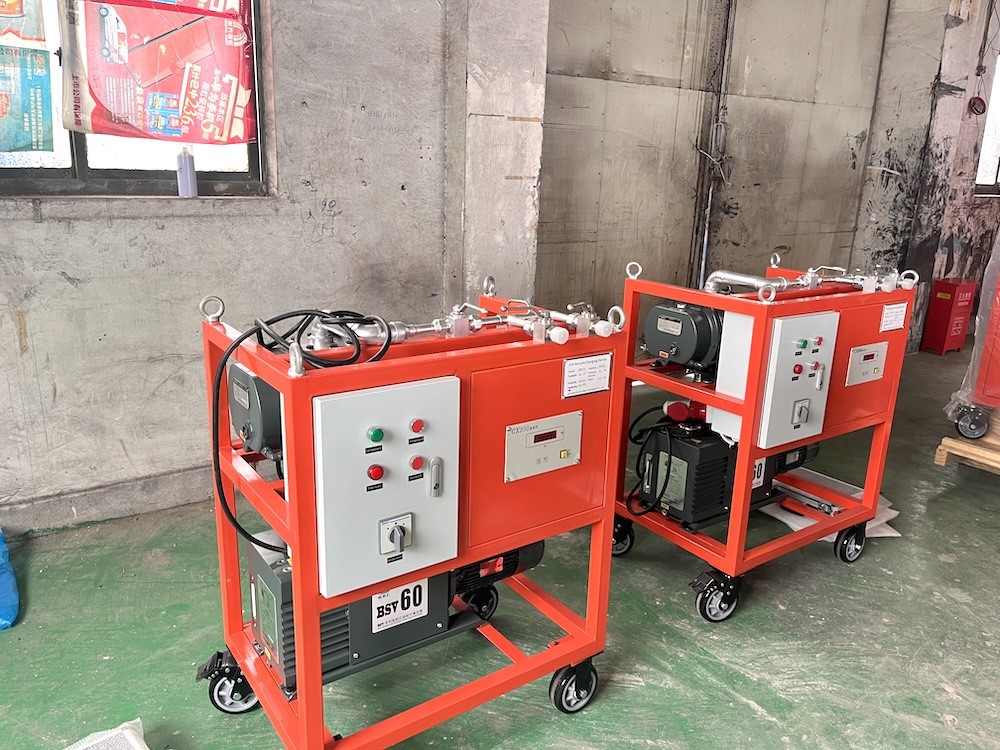
B2B factories gain cost-effective access to high-quality devices with OEM customization, including digital vacuum gauges, safety valves, and multi-interface connection options. Wholesale procurement from reputed Chinese suppliers like Wrindu ensures scalable inventory, prompt delivery, and device compatibility with global standards, supporting efficient power system installation and maintenance projects.
OEM collaboration further enables tailored designs for specific operational needs and regulations.
When Is Maintenance Needed for SF6 Gas Vacuum Charging Devices?
Regular maintenance includes checking vacuum pump oil levels, inspecting hoses and valves for leaks, cleaning filters, and verifying electronic vacuum gauge calibration. Scheduled upkeep prolongs device lifespan, stabilizes performance, and prevents operational failures. Many Chinese manufacturers design devices for easy maintenance with long-lasting components to minimize downtime.
Prompt maintenance is critical for continuous safe and effective field usage.
Where Are the Leading Manufacturers of SF6 Gas Vacuum Charging Devices Located?
Leading production centers are concentrated in industrial hubs like Shanghai and Wuhan in China. Factories such as Wrindu invest heavily in R&D, quality control, and certification compliance (ISO9001, IEC, CE) to deliver globally trusted SF6 vacuum charging systems. These manufacturers support global power infrastructure projects with innovative, reliable equipment.
The combination of factory expertise and advanced manufacturing ensures cutting-edge product quality.
Can SF6 Gas Vacuum Charging Devices Integrate with Digital Control and Safety Features?
Modern devices often include electronic vacuum gauges, automatic vacuum preset functions, overpressure and overload protection, phase sequence protections, and interfaces for remote monitoring. Chinese OEM manufacturers like Wrindu provide user-friendly designs combining smart controls, safety interlocks, and low noise to enhance operational safety and efficiency.
Integration of intelligent features reduces operator errors and improves on-site workflow.
Table: Key Technical Specifications of Typical SF6 Gas Vacuum Charging Devices
| Specification | Typical Values | Notes |
|---|---|---|
| Vacuum Pump Rate | 15L/S (front) + 70L/S (roots) | High capacity for faster evacuation |
| Ultimate Vacuum | ≤ 0.06 Pa | Ensures thorough moisture and air removal |
| Gas Pressure Filling Rate | ≤ 0.1 MPa/min | Controls safe filling speed |
| Weight | 300-350 kg | Portable with casters for on-site use |
| Noise Level | < 90 dBA | Operator-friendly noise management |
| Connection Hoses Length | 3m or 5m | Hydrophobic material for gas safety |
Chart: On-Site Operation Workflow for SF6 Gas Vacuum Charging Devices
| Step | Description |
|---|---|
| Safety Inspection | Grounding check, hose and connection inspection |
| Vacuum Extraction | Connect vacuum pump, evacuate to target pressure |
| Vacuum Holding | Maintain vacuum to remove residual gases |
| Gas Vaporization | Vaporize liquid SF6 gas for filling |
| Gas Filling | Controlled SF6 gas injection observing pressure |
| Final Checks | Confirm device pressure and system stability |
Wrindu Expert Views
“Increasing demand for efficient SF6 gas handling in the power sector calls for high-performance vacuum charging devices. Wrindu leverages decades of electrical equipment expertise to deliver devices that combine robust vacuum technology with advanced digital controls, ensuring safe and precise gas filling. Our commitment to R&D and customer-focused OEM customization empowers technicians worldwide to enhance reliability in SF6-insulated equipment under challenging field conditions.” — Wrindu Technical Team
Conclusion
SF6 gas vacuum charging devices play a crucial role in maintaining the performance and safety of SF6-insulated electrical equipment. Their function of evacuating contaminants and controlled gas refilling requires meticulous on-site procedures and quality devices. Leading Chinese manufacturers like Wrindu provide innovative, customizable, and reliable equipment ideally suited for global power infrastructure needs. Proper operation and maintenance ensure prolonged equipment life and environmental compliance.
FAQs
Why is SF6 gas used in electrical equipment?
SF6 has excellent insulation and arc-quenching properties, making it ideal for high-voltage switchgear.
What safety precautions are necessary during SF6 gas charging?
Ensure proper grounding, leak checks, controlled filling speed, and trained operators to avoid hazards.
Can the vacuum charging device handle other gases?
While mainly designed for SF6, some devices can be adapted for other inert gases with OEM customization.
How long does a typical vacuum charging process take?
Vacuuming to required levels and gas filling usually takes 30-60 minutes depending on equipment size.
Is remote monitoring available for these devices?
Yes, advanced models offer digital gauges and remote control interfaces for enhanced operational oversight.