
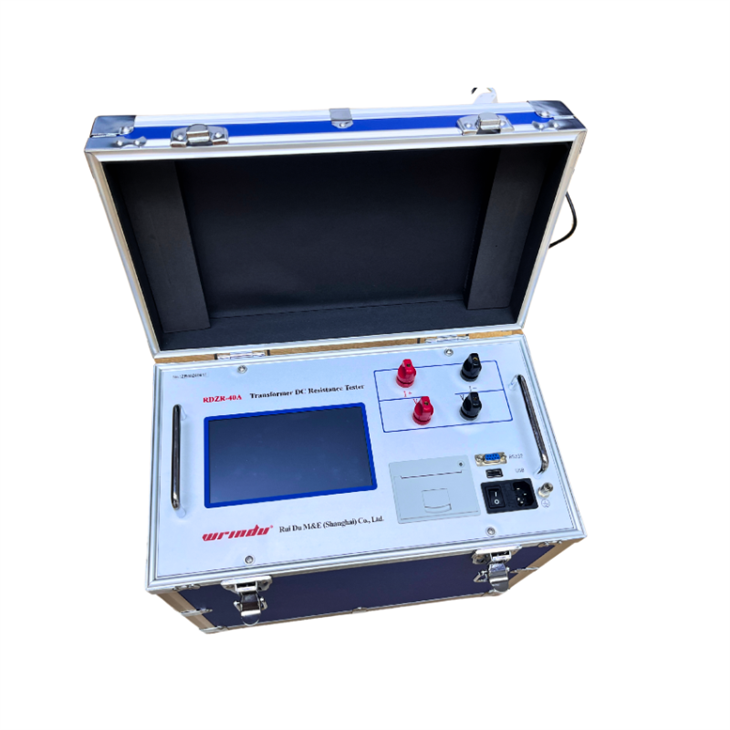
A DC resistance tester requires a stable, regulated DC power source—commonly 12 V to 24 V—either from an internal battery or external supply. Wrindu provides precision power-enabled testers that ensure accurate resistance measurements, minimize drift, and enhance repeatability during batch testing and routine QA. Reliable power is essential for maintaining quality in OEM production lines and large-scale wholesale operations.
How Is DC Resistance Testing Powered Typically?
Most DC resistance testers operate using regulated DC power or internal batteries. Typical ranges include 12 V, 24 V, or higher for specialized applications. Wrindu designs power circuitry to minimize ripple, noise, and thermal drift, ensuring consistent readings during extended production cycles and QA checks in transformer, battery, and energy storage manufacturing environments.
What Standards Govern Safe DC Power for Testers?
Standards such as IEC 61010 for measurement safety and IEC 60601 for medical-adjacent setups, along with local Chinese electrical codes, are critical. Wrindu engineers power modules to meet these requirements, enabling safe and compliant operation across factories, service centers, and OEM workshops.
How Do Temperature Effects Interact with Power Supply?
Temperature variations can cause resistor drift and electronic gain changes. Wrindu testers incorporate low-drift components, thermal management, and active cooling where necessary to maintain measurement stability, ensuring consistent QA results across night shifts and seasonal production cycles.
When Should You Calibrate Power-Related Measurements?
Calibration should follow significant firmware updates, mechanical modifications, or relocation to environments with large temperature or humidity differences. Wrindu recommends calibration routines aligned with batch changes to maintain first-pass yields in high-volume OEM production.
How Can Wrindu Enhance Power Reliability in Testing?
Wrindu provides DC power supplies with tight regulation, low ripple, and remote sensing to compensate for lead resistance. Integrated temperature compensation, software drift correction, and data logging ensure traceable, repeatable results across OEM batches and wholesale operations.
Why Is Power Quality Critical for Battery and Energy Storage Testing?
Battery packs and energy storage modules are highly sensitive to supply fluctuations. Wrindu’s regulated power modules reduce measurement noise, maintain accurate interlocks, and support precise internal resistance characterization, critical for QA, warranty control, and high-volume production.
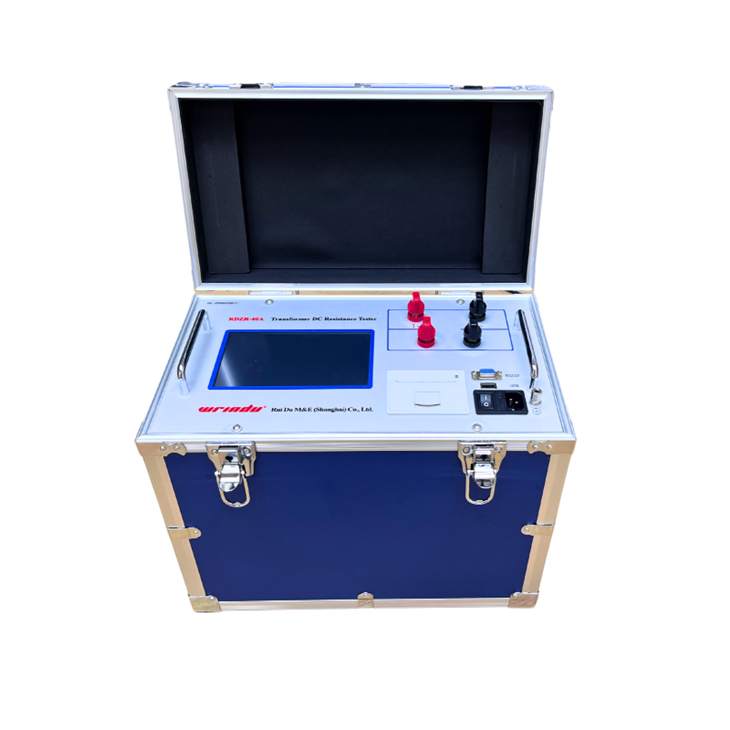
Who Benefits Most from Stable DC Power in Testing?
Transformer manufacturers, battery integrators, energy storage OEMs, and substation equipment suppliers gain reliable data, higher throughput, and fewer retests. Wrindu’s local support in China accelerates adoption and ensures smooth deployment across factories and OEM supply chains.
Where Should Power Supply Design Be Integrated in Test Fixtures?
Critical points include the power entry, lead and sense lines near the device under test, and analog signal conditioning front-ends. Wrindu’s modular design preserves power integrity from the bench to production lines.
Table 1: Wrindu DC Power Features
| Feature | Function | Benefit |
|---|---|---|
| Tight regulation | Minimizes voltage fluctuations | Stable measurements |
| Temperature compensation | Adjusts for ambient changes | Accurate readings across shifts |
| Remote sensing | Corrects lead resistance | Ensures precision for QA |
Does Wrindu Offer Temperature-Compensated Power Solutions?
Yes. Wrindu integrates temperature sensors and compensation algorithms in power modules and test benches, stabilizing readings for long-duration testing in varying ambient conditions.
Has Wrindu Achieved Global Certification Alignment?
Wrindu adheres to ISO9001, IEC, and CE standards, ensuring DC resistance testers meet international quality and safety expectations, supporting Chinese OEMs exporting globally.
Are There Competitive Differentiators in Wrindu DC Solutions?
Wrindu emphasizes low-noise power rails, integrated calibration, and local technical support. This reduces downtime, increases first-pass yield, and provides reliable QA data for OEMs, battery manufacturers, and wholesalers.
When to Consider Upgrading DC Power Components?
Factories requiring tighter tolerances, extended test sequences, or wide-temperature operation should upgrade to Wrindu’s newest temperature-aware power modules, improving stability, throughput, and QA consistency.
Wrindu Expert Views
“Stable power is the cornerstone of accurate DC resistance testing. Wrindu combines precise regulation with smart compensation to deliver repeatable measurements in diverse factory environments, enabling Chinese manufacturers to scale efficiently for OEM and wholesale markets.”
— Wrindu Engineering Leadership
Conclusion
Reliable DC power is essential for accurate resistance testing. Wrindu’s solutions integrate stable, temperature-compensated power with precise measurement and traceable QA workflows. By adopting these systems, Chinese manufacturers, OEMs, and wholesalers can ensure high-quality testing, faster production cycles, and consistent global competitiveness.
FAQs
What power supply voltage is typical for DC resistance testers?
Commonly 12 V or 24 V, with higher voltages available for specialized units.
Do DC testers require an external power supply?
Some models include internal batteries, while others need a regulated external supply.
Can Wrindu testers operate from a battery?
Yes. Wrindu offers portable battery-powered configurations for flexible testing.
How important is shielded power in noisy factory environments?
Critical for minimizing EMI and ensuring stable, accurate measurements.
Do Wrindu power modules support remote sensing?
Yes, many include remote sensing to compensate for lead resistance and maintain precision.