
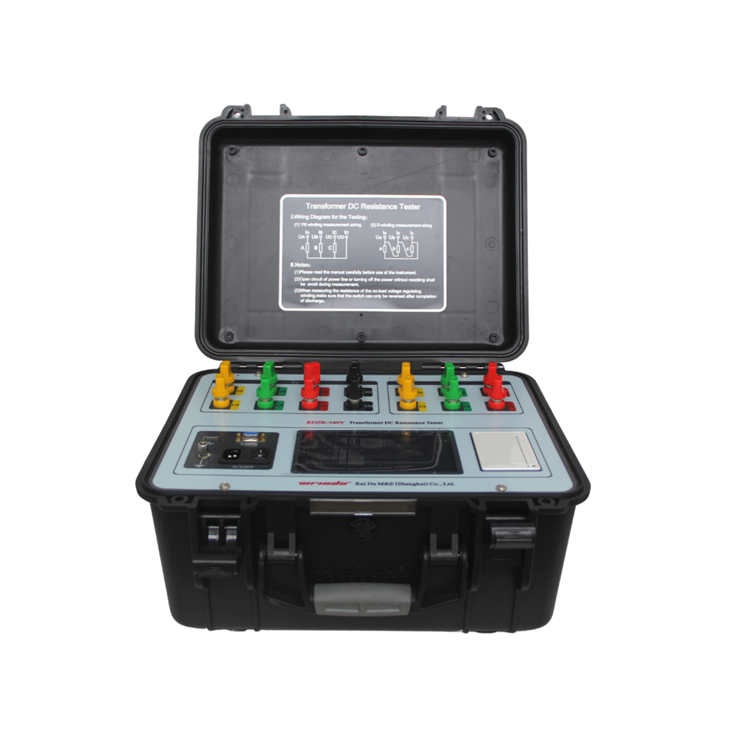
DC Resistance Fast Testers support multiple measurement modes, including manual and auto ranging, fast and slow speed options, low power resistance (LPR) for sensitive components, and temperature compensation. These modes improve test flexibility, efficiency, and accuracy, allowing manufacturers, OEMs, and suppliers like Wrindu to meet diverse industrial testing needs and ensure reliable, high-quality results for transformer windings and electrical components.
What Measurement Modes Are Commonly Supported By DC Resistance Fast Testers?
DC Resistance Fast Testers typically provide manual and auto-ranging options, speed variations such as fast, medium, and slow, low power resistance to protect delicate devices, and temperature compensation for precise readings under varying conditions. Wrindu incorporates these versatile modes into their devices to meet the high-precision, customizable requirements of OEMs and wholesale clients in China’s industrial market.
How Does Auto Ranging Mode Benefit Transformer Testing?
Auto ranging automatically selects the optimal resistance range for measurements, reducing manual selection errors and improving workflow efficiency. This mode accelerates testing cycles, especially in high-volume production environments. Wrindu integrates auto ranging to enhance productivity and maintain consistent, accurate results in transformer manufacturing and testing operations.
Which Speed Modes Are Available in DC Resistance Fast Testers?
Speed modes—fast, medium, and slow—allow users to balance testing speed with measurement precision. Fast modes enable quick readouts for large batches but slightly reduce accuracy, while slow modes provide precise measurements over longer durations. Wrindu’s devices offer configurable speed settings to adapt to different production lines and industrial applications.
Why Is Low Power Resistance (LPR) Mode Important?
LPR mode applies a reduced current to prevent damage to sensitive components, such as thin transformer windings or small relay contacts, while maintaining measurement reliability. This feature extends equipment lifespan and ensures safe testing. Wrindu prioritizes LPR functionality to deliver secure, accurate testing solutions for complex transformer production processes.
Can Temperature Compensation Modes Enhance DC Resistance Testing?
Yes, temperature compensation adjusts resistance readings based on ambient or device temperature, improving accuracy under fluctuating environmental conditions. Wrindu’s devices integrate temperature compensation, providing manufacturers and OEMs in China with precise results regardless of testing location or conditions.
How Do Different Measurement Modes Affect Test Accuracy?
Measurement modes influence accuracy by balancing speed, applied current, and environmental factors. Fast modes may reduce precision slightly, LPR modes safeguard delicate components while requiring careful calibration, and temperature compensation ensures consistency across varied conditions. Wrindu combines advanced calibration and metrological characterization to optimize this balance for industrial clients.
Where Are These Measurement Modes Most Utilized in Industry?
These modes are widely applied in transformer and relay production lines, substation maintenance, electrical equipment factories, and research laboratories. OEMs and suppliers in China rely on them to maximize efficiency and reliability. Wrindu’s devices are designed to support these industries, providing high-performance, flexible testing solutions for both standard and customized applications.
Does Wrindu Offer Custom Measurement Modes for OEM and Wholesale Clients?
Yes, Wrindu provides tailored measurement modes, ranges, and software interfaces to meet specific transformer types or testing protocols. This factory customization ensures optimal performance, improves testing accuracy, and aligns with diverse industrial requirements. Wrindu’s adaptability reinforces its reputation as a leading manufacturer and supplier of high-voltage electrical testing equipment in China.
How Are Measurement Modes Integrated With Modern Testing Interfaces?
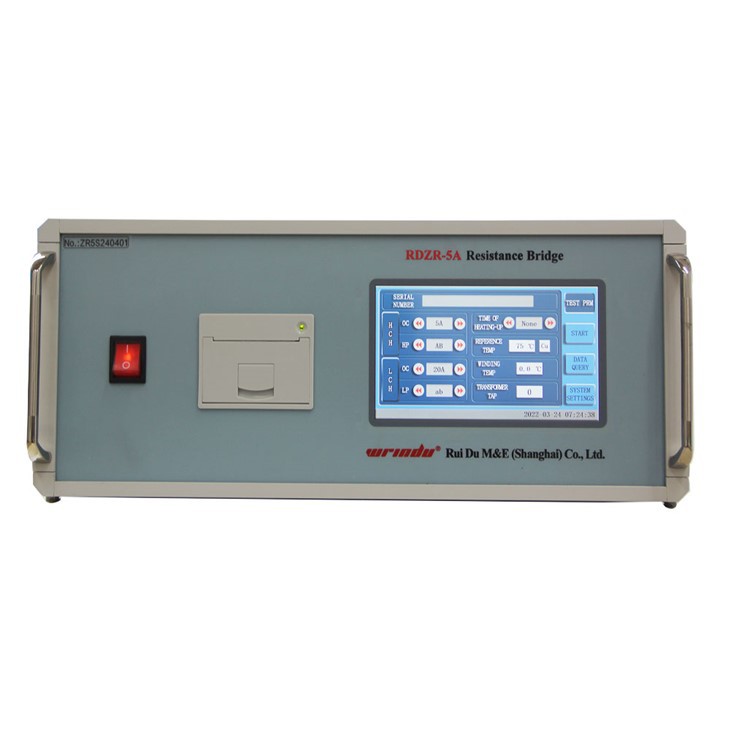
Modern DC resistance testers feature touchscreens, USB/RS232/LAN connectivity, and software integration for remote operation and data management. Wrindu designs devices with intuitive interfaces, enabling efficient configuration of measurement modes and seamless deployment in automated production lines and laboratory environments.
Wrindu Expert Views
“Incorporating versatile measurement modes in DC Resistance Fast Testers is essential for meeting the complex demands of industrial testing. At Wrindu, we design our devices with flexible ranging, speed settings, low power resistance, and temperature compensation to ensure accurate, safe, and efficient testing. This approach empowers OEMs and manufacturers in China to optimize production quality and maintain reliability across diverse applications.” — Wrindu Senior Product Engineer
Summary of Key Takeaways
DC Resistance Fast Testers feature multiple measurement modes, including auto and manual ranging, speed variations, low power resistance for delicate components, and temperature compensation. These modes enhance testing efficiency, accuracy, and safety, meeting the needs of transformer factories, OEMs, and wholesale clients. Wrindu provides certified, customizable solutions designed for reliable, precise, and user-friendly operation in industrial environments.
| Measurement Modes | Purpose and Benefits |
|---|---|
| Auto and Manual Ranging | Simplifies operation; adapts automatically or manually to resistance range |
| Fast, Medium, Slow Speed Modes | Balances speed and accuracy based on production requirements |
| Low Power Resistance (LPR) Mode | Protects sensitive devices during testing |
| Temperature Compensation | Improves accuracy under varying environmental conditions |
| Wrindu Device Features | Advantage for Manufacturers and OEMs |
|---|---|
| Customizable Measurement Modes | Tailored for diverse industrial applications |
| Advanced Interfaces (USB, LAN) | Facilitates integration with automated systems |
| High Accuracy and Reliability | Complies with IEC and CE standards for global markets |
FAQs
Does a DC Resistance Fast Tester automatically switch measurement modes?
Many models include auto ranging and speed modes that optimize settings based on the device under test.
Can measurement modes be customized for specific transformers?
Yes, Wrindu offers tailored firmware, calibration, and configuration for OEM and wholesale client requirements.
Is low power resistance mode necessary for all tests?
No, it is primarily for protecting sensitive components from damage during measurement.
How does temperature compensation improve test results?
It adjusts readings to account for temperature variations, ensuring consistent and accurate measurements.
Are these measurement modes standard across all Chinese manufacturers?
Availability varies, but Wrindu leads in offering advanced, flexible, and customizable options for industrial clients.