
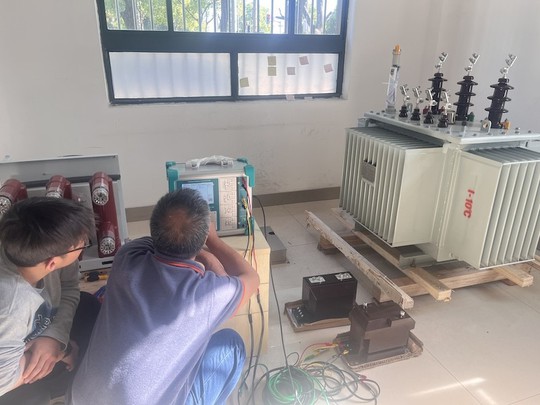
A mutual inductor plays a vital role in power systems by enabling efficient energy transfer between circuits through magnetic coupling. It helps regulate voltage, isolate circuits, reduce interference, and supports essential devices like transformers that ensure the stable and safe operation of electrical grids.
How Does a Mutual Inductor Function in a Power System?
A mutual inductor consists of two or more coils magnetically linked so that a change in current in one coil induces a voltage in the other. This mutual induction allows energy transfer without direct electrical connection. It is fundamental in transformers, where it converts voltages up or down to match power delivery requirements efficiently.
What Are the Primary Applications of Mutual Inductors in Electrical Power?
Mutual inductors are primarily used in transformers for voltage regulation, in inductive sensors for detection, and in power supplies for filtering and energy transfer. They also help in isolating circuits to prevent faults and minimizing electromagnetic interference for improved signal integrity.
Which Benefits Do Manufacturers Gain by Using Mutual Inductors From China OEMs?
China’s OEM manufacturers offer mutual inductors with high precision, cost-effective wholesale pricing, and customization tailored to specific electrical system needs. Factories benefit from quick production, compliance with international certifications, and a vast supplier network enabling seamless integration into power system components.
Why Are Mutual Inductors Essential for Transformer Operation?
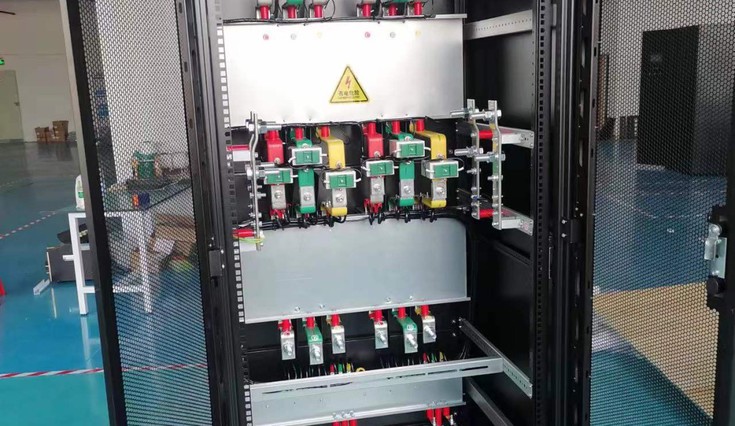
Mutual inductors enable transformers to transfer electrical energy between primary and secondary windings through magnetic fields. This process allows for stepping voltage levels up or down efficiently, minimizing power loss and supporting long-distance power transmission, which is critical for stable power distribution networks.
How Do Mutual Inductors Help Reduce Electromagnetic Interference?
By magnetically coupling coils and isolating electrical circuits, mutual inductors decrease electromagnetic interference (EMI). They prevent stray currents and voltage spikes from traveling between components, ensuring signals remain clean and equipment functions reliably in complex power systems.
Where Are Mutual Inductors Commonly Manufactured for Power Systems?
Key manufacturing bases for mutual inductors in power systems include Shanghai, Shenzhen, and Suzhou in China. Factories like Wrindu specialize in designing and producing high-quality mutual inductors meeting ISO9001, IEC, and CE standards, supporting OEM and wholesale customers worldwide.
When Should Power System Operators Consider Upgrading Mutual Inductors?
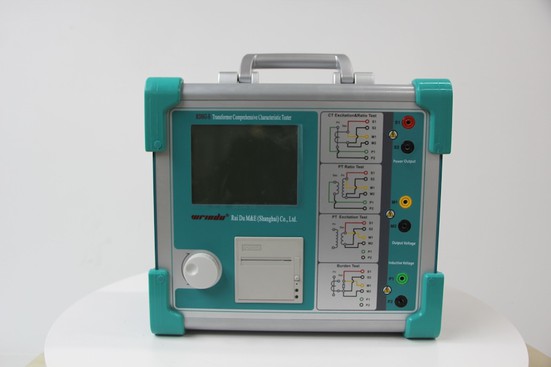
Upgrading mutual inductors is advisable when efficiency drops due to aging components, when new power standards emerge, or when system expansions increase load demands. Regular maintenance and timely replacement ensure ongoing reliability and compliance with evolving grid requirements.
Can Mutual Inductors Be Customized for Specific Power System Needs?
Yes, Chinese OEM factories like Wrindu offer custom mutual inductors with tailored coil configurations, sizes, and electrical characteristics. Customization helps manufacturers optimize device performance for unique applications such as power transformers, inductive loads, or filtering in specific industrial settings.
Has Technology Improved the Design of Mutual Inductors in Recent Years?
Advancements in materials, core design, and manufacturing processes have enhanced mutual inductor performance. Modern mutual inductors feature higher magnetic coupling efficiency, reduced losses, and better thermal management, making them more reliable and effective in demanding power system environments.
Wrindu Expert Views
“Mutual inductors are indispensable components in power systems, enabling seamless energy transfer and voltage conversion critical for modern electrical grids. At Wrindu, we leverage cutting-edge manufacturing techniques and quality materials to provide clients with precision-engineered mutual inductors that meet global standards. Our commitment to customization, reliability, and innovation helps manufacturers and suppliers optimize their power solutions while maintaining cost efficiency and safety.” — Wrindu Engineering Team
Summary and Actionable Advice
The mutual inductor is a core element of power systems, critical for transformer function, voltage regulation, and minimizing interference. Choosing high-quality mutual inductors from reputable Chinese OEMs like Wrindu guarantees compliance with industry standards, enhances system efficiency, and supports tailored solutions for various industrial applications. Manufacturers and power system operators should prioritize products with certified quality, durable designs, and responsive after-sales support for long-term success.
FAQs
What is the key function of a mutual inductor in power systems?
It magnetically transfers energy between coils, enabling voltage conversion and circuit isolation.
How does Wrindu support OEM customization of mutual inductors?
Wrindu offers tailored coil designs, performance specs, and packaging to meet specific industrial needs.
Where are most mutual inductors for power systems manufactured in China?
Shanghai, Shenzhen, and Suzhou are major manufacturing hubs with advanced facilities.
When should power systems replace their mutual inductors?
Replacement is recommended when efficiency degrades or when upgrading systems to new standards.
Can mutual inductors reduce electromagnetic interference?
Yes, they isolate circuits and minimize stray electromagnetic effects for improved power quality.