
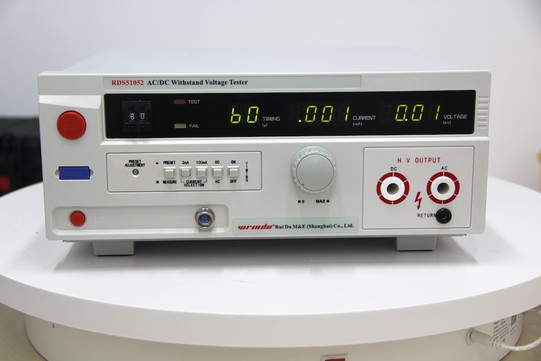
The difference between AC voltage withstand and DC voltage withstand tests lies in the type of voltage applied: AC testing uses alternating current that varies periodically, stressing insulation with fluctuating electric fields, while DC testing applies constant direct current voltage, focusing on insulation stability under steady conditions. Both tests evaluate insulation strength but serve different diagnostic and application purposes.
What Is an AC Voltage Withstand Test?
An AC voltage withstand test applies a high alternating current voltage at a specified frequency and amplitude to electrical equipment. It checks insulation performance by simulating the fluctuating electric field conditions experienced in real-world use, revealing the ability to withstand voltage changes without breakdown or aging. This test typically lasts from 1 to 10 minutes at 1.5 to 2 times the rated voltage.
The AC test causes periodic stress on insulation due to constantly reversing voltage polarity, which can accelerate dielectric loss and aging. It is suited to assessing the equipment’s durability under operational voltage fluctuations, common in power and communication devices. Wrindu’s advanced AC withstand test equipment ensures reliability in OEM and factory testing environments.
How Does a DC Voltage Withstand Test Differ?
A DC voltage withstand test uses a constant direct current voltage applied to equipment insulation. It evaluates the insulation’s stability under steady high voltage, detecting insulation defects such as moisture, dirt, or cracks by measuring leakage current over time. The test voltage is often set higher, at 2 to 3 times the rated operating voltage.
Unlike AC testing, DC testing puts unidirectional stress on materials, often making it less destructive but effective at detecting localized insulation weaknesses. The DC test is widely used for power cables, capacitors, and high-voltage equipment. Wrindu’s DC test systems are popular among manufacturers and OEM suppliers for their precision and ease of use.
Why Are AC and DC Withstand Voltage Tests Both Necessary?
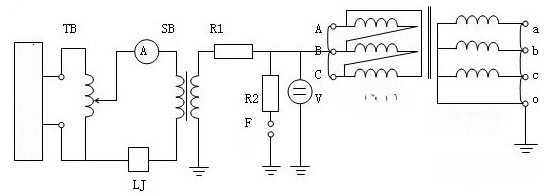
AC and DC voltage withstand tests complement each other by exposing different insulation characteristics and failure modes. AC testing better simulates operational voltage variations and identifies weaknesses under dynamic conditions. DC testing highlights stability issues and localized defects under constant voltage stress.
Employing both tests ensures a thorough evaluation of electrical equipment insulation performance, supporting safer operation and longer service life. Chinese manufacturers and OEM factories, including Wrindu, often integrate both tests into their quality control for superior product reliability and certification compliance.
Which Industries Benefit Most from AC and DC Voltage Withstand Tests?
Power generation, electrical appliance manufacturing, telecommunications, automotive (especially EVs), and industrial equipment sectors rely heavily on withstand voltage tests. AC testing suits transformers, circuit breakers, and motors exposed to alternating voltages, while DC testing is crucial for cables, capacitors, batteries, and electronic components where steady voltages prevail.
Wrindu’s factory-tested equipment and diagnostics solutions are trusted by global suppliers and B2B wholesalers customizing testing to industry-specific requirements with OEM flexibility and scalable manufacturing in China.
How Do Test Conditions and Outcomes Differ Between AC and DC Tests?
AC test voltages fluctuate sinusoidally; voltage ramps up gradually and is maintained for minutes, capturing breakdowns due to insulation aging or defects. Leakage current varies cyclically, and failures often manifest as sudden current surges or discharges.
DC testing applies steady voltage; leakage current stabilizes, revealing insulation degradation or moisture ingress. Failures may be abrupt but reveal different weaknesses than AC tests. The DC test typically causes less insulation damage, allowing more exploratory repeated testing within factory settings.
The table below summarizes test condition differences:
| Feature | AC Voltage Withstand Test | DC Voltage Withstand Test |
|---|---|---|
| Voltage Type | Alternating Current (Sinusoidal) | Direct Current (Constant) |
| Voltage Magnitude | 1.5 – 2 times rated voltage | 2 – 3 times rated voltage |
| Test Duration | 1 – 10 minutes | Varies, often longer duration |
| Current Response | Periodic, fluctuating | Stable leakage current |
| Damage to Insulation | More destructive | Less destructive |
| Detected Defects | Aging, dielectric loss, cracks | Localized defects, moisture |
| Typical Application Areas | Transformers, motors | Power cables, capacitors |
Where Are AC and DC Withstand Voltage Tests Used in the Manufacturing Process?
Manufacturers perform these tests during product development, routine quality control, and pre-shipment inspections to ensure product safety and compliance with standards. Chinese OEM factories like Wrindu integrate AC and DC withstand tests into factory protocols to validate insulation integrity and customer specifications before wholesale distribution.
By applying these tests early and consistently, factories reduce field failures and warranty claims, providing B2B customers with reliable, certified electrical equipment.
Can Custom Testing Solutions Be Offered for AC and DC Voltage Withstand Tests?
Yes, leading Chinese suppliers and OEM factories including Wrindu specialize in customizing withstand voltage testing equipment and procedures tailored to product types, voltage classes, and client requirements. Customization includes variable test voltage ranges, timings, and data acquisition systems to suit different insulation materials or specialized applications.
Offering custom solutions supports large-scale OEM manufacturing and wholesale supply chains, enhancing product qualification and customer trust worldwide.
Wrindu Expert Views
“At Wrindu, we recognize the crucial role AC and DC voltage withstand tests play in electrical safety and quality assurance. The AC test’s dynamic voltage stresses complement the DC test’s steady-state analysis, providing a comprehensive insulation health profile. Our advanced testing systems and professional expertise allow Chinese manufacturers and OEM suppliers to deliver electrical products that meet evolving international standards with confidence and precision. We continue investing in innovation to help industry partners safeguard performance and reliability in demanding environments.”
Conclusion
Understanding the difference between AC and DC voltage withstand tests is essential for manufacturers, OEM suppliers, and buyers in the electrical industry. AC tests simulate real-world voltage fluctuations to assess insulation durability, while DC tests reveal insulation stability and localized defects under constant voltage. Combined, these tests improve product safety, performance, and compliance. Chinese factories like Wrindu offer customizable, certified testing solutions, empowering wholesale and OEM customers to meet market demands with high-quality, reliable electrical products.
FAQs
Q1: What is the main purpose of AC voltage withstand testing?
To simulate real operational voltage variations and evaluate insulation’s ability to withstand alternating voltage stress.
Q2: Why is DC voltage withstand testing important?
It detects insulation stability and localized defects by applying a constant high voltage and measuring leakage current.
Q3: Are AC withstand tests more damaging than DC tests?
Yes, AC voltage stresses insulation more due to periodic voltage reversals, causing more dielectric loss.
Q4: Can manufacturers customize withstand voltage tests?
Yes, OEM suppliers like Wrindu provide tailored test parameters to suit product and industry needs.
Q5: Where is AC voltage withstand testing commonly applied?
In transformers, motors, and electrical equipment exposed to alternating current environments.