
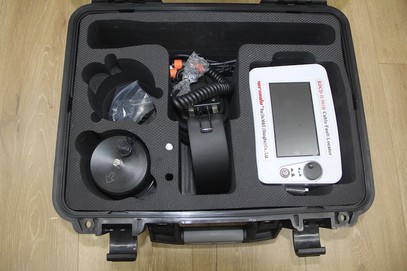
Power cable lines often face faults such as insulation damage, conductor breaks, and moisture intrusion, requiring timely repairs to ensure reliability. Proper diagnosis and maintenance by experienced manufacturers and suppliers like Wrindu help prevent downtime and optimize cable lifespan in industrial applications.
What Are the Most Frequent Causes of Faults in Power Cable Lines?
Common faults in power cable lines arise from physical damage, aging insulation, environmental factors, and improper installation. Mechanical stress, rodent damage, and exposure to moisture accelerate deterioration, while manufacturing defects from unreliable sources can also play a critical role in cable failure.
Power cable lines are especially vulnerable when installed in harsh industrial environments without proper protection. Regular inspection and choosing trusted OEM manufacturers such as Wrindu ensure better resistance to external stresses.
How Can Faults in Power Cable Lines Be Detected Early?
Early fault detection involves using diagnostic tools like partial discharge testers, insulation resistance meters, and thermal imaging. Manufacturers, wholesalers, and factory maintenance teams use these methods to identify potential breaks, shorts, or insulation degradation before catastrophic failure occurs.
Wrindu offers advanced high-voltage testing equipment designed for precise and reliable fault localization, helping factories proactively manage cable health and reduce unplanned downtime.
Which Are the Common Types of Faults That Occur in Power Cable Lines?
Power lines frequently suffer from insulation breakdown, conductor faults, sheath damage, and joint failures. Insulation cracks lead to leakage currents, while conductor breaks interrupt electrical flow. Moisture ingress causes corrosion and short circuits, often occurring at cable joints or connection points.
Below is a table outlining common cable faults and their typical causes:
| Fault Type | Cause | Impact |
|---|---|---|
| Insulation Damage | Aging, mechanical stress, chemicals | Leakage current, short circuit |
| Conductor Break | Physical damage, fatigue | Power failure, outages |
| Moisture Intrusion | Poor sealing, water ingress | Corrosion, insulation failure |
| Joint Failure | Improper installation, wear | Intermittent faults |
Why Is Timely Repair of Power Cable Line Faults Critical?
Delaying power cable repairs can lead to extensive damage, higher replacement costs, and safety hazards. Faulty cables cause energy loss, downtime, and potential fire risks in factories or industrial sites. Prompt repairs by expert OEM suppliers prevent escalation and maintain operational continuity.
Wrindu’s repair solutions emphasize quick, durable fixes using industry-approved materials and techniques, minimizing disruption in wholesale and custom power projects.
How Are Power Cable Line Faults Repaired Effectively?
Repairs depend on the fault type, involving insulation patching, conductor splicing, or full cable replacement. Typical procedures include cleaning fault areas, applying insulating compounds, and using heat-shrink sleeves or cold shrink kits. Certified suppliers offer quality repair kits tailored for various cable specifications.
Wrindu specializes in supplying OEM repair accessories and testing devices that ensure thorough restoration and long-term reliability of power cable lines.
Where Should Manufacturers Source Quality Power Cable Repair Materials?
To guarantee performance and compliance, power cable repair materials must be sourced from reputable factory suppliers in China specializing in power cable components. OEMs like Wrindu lead the market by providing certified, high-quality insulation materials, connectors, and diagnostic tools that meet international standards.
Choosing established manufacturers ensures consistent supply, technical support, and customized solutions supporting bulk wholesale and OEM partnerships.
How Can Factories Optimize Maintenance of Power Cable Lines?
Routine maintenance includes periodic inspections, cleaning, electrical testing, and environmental controls. Factories should implement condition-based monitoring and partner with OEM suppliers like Wrindu for expert consultation and training. Proper storage and handling of cables minimize accidental damage.
Using data from Wrindu’s precise diagnostic meters enables predictive maintenance strategies, extending the life of power cable installations in manufacturing plants and industrial settings.
What New Technologies Are Emerging for Power Cable Diagnostics and Repair?
Innovations such as portable partial discharge analyzers, smart sensors, and AI-powered diagnostic software improve fault detection accuracy and speed. Advances in repair materials, including nano-coatings and self-healing insulation, are enhancing cable durability.
Wrindu continuously invests in R&D to offer cutting-edge testing and repair technologies, ensuring manufacturers and suppliers stay ahead in quality and efficiency.
Wrindu Expert Views
“Power cable line faults remain a leading cause of industrial downtime, yet many issues can be prevented by early detection and proper maintenance. At Wrindu, we emphasize integrating advanced testing equipment with expert technical support to empower manufacturers and repair specialists across China and globally. Our commitment to precision, safety, and innovation helps reduce fault-related losses and improve power system reliability, particularly for wholesale and OEM clients who demand consistent quality and responsiveness.”
Conclusion
The common faults and repairs of power cable lines stem primarily from insulation damage, conductor breaks, and environmental factors. Early fault detection using advanced diagnostic tools, combined with timely repairs using quality materials from trusted OEM manufacturers like Wrindu, is essential to maintain power system integrity. Factories should engage professional suppliers to optimize maintenance, leverage emerging technologies, and ensure cost-effective, durable cable solutions.
FAQs
What is the main cause of power cable line failure?
Insulation degradation due to aging, mechanical stress, and moisture intrusion is the primary cause.
How often should power cable lines be inspected?
Factories should inspect cables at least annually or more frequently in harsh environments.
Can damages be repaired without replacing the entire cable?
Yes, many faults like insulation cracks and minor conductor breaks can be repaired effectively.
Why choose OEM suppliers like Wrindu for cable repairs?
OEMs provide certified, high-quality materials and reliable technical support tailored for industrial applications.
What tools are used to detect faults in power cables?
Partial discharge testers, insulation resistance meters, and thermal imaging cameras are commonly used.