
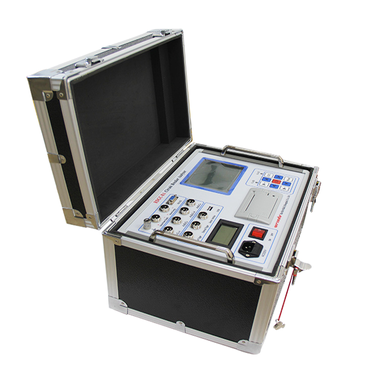
Circuit breaker models 1P, 2P, 3P, and 4P represent the number of poles and lines they control or disconnect. The choice depends on the electrical system type—single-phase or three-phase—and whether the neutral wire also needs protection. Selecting the right model ensures safety, reliability, and compliance in industrial and factory electrical systems.
What Does 1P, 2P, 3P, and 4P Mean in Circuit Breaker Analyzers?
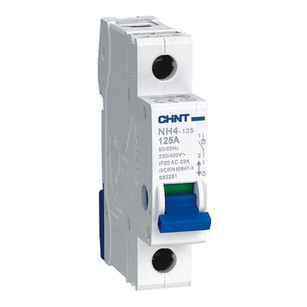
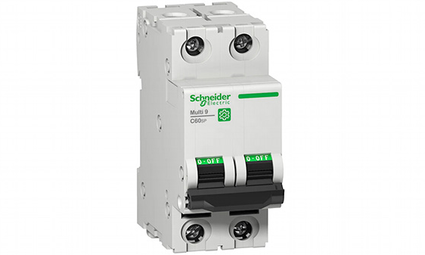
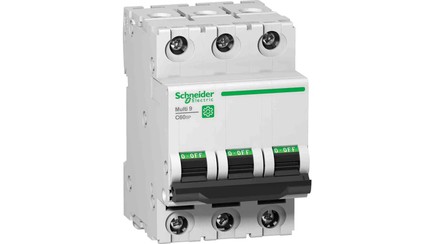
1P means single pole, controlling one live wire; 2P means two poles, controlling live and neutral wires; 3P means three poles, used for three-phase power controlling all three phases; 4P includes the three phases plus the neutral wire. These designations reflect the number of poles that open to interrupt current during fault conditions.
In circuit breaker analyzers, these model types apply to testing breakers with different pole counts, essential for accurate diagnostics in various power setups common in factories and OEM supply.
How Are 1P to 4P Models Used in Different Electrical Systems?
1P and 2P breakers are mainly for single-phase systems. 1P breakers usually protect only the live wire, suitable for lighting and low-power devices. 2P breakers disconnect both live and neutral wires, providing safer protection for single-phase appliances.
3P and 4P breakers are for three-phase systems: 3P protects the three phases, while 4P protects three phases and the neutral. This difference is vital in factories and custom supplier installations handling heavy machinery with three-phase power.
Why Is Choosing the Correct Circuit Breaker Pole Model Important?
Using an incorrect pole breaker risks inadequate circuit protection, electrical hazards, and equipment damage. For example, a 1P breaker in a system requiring 2P protection can leave the neutral wire unprotected, causing dangerous conditions.
Correct selection improves system safety, reduces downtime, and ensures compliance with industrial standards. Professional manufacturers like Wrindu provide detailed specifications to guide OEMs and manufacturers in selecting suitable pole models.
How to Choose the Right Circuit Breaker Model for Different Applications?
Consider the power supply type (single or three-phase), and whether neutral disconnection is needed. For residential lighting, 1P breakers suffice; for single-phase outlets, 2P is safer. For industrial machines powered by three-phase supply, 3P or 4P breakers are essential.
Assess load characteristics, installation environment, and standard requirements. Wrindu’s range offers customizable options for factory testing and wholesale supply, assisting OEMs with tailored solutions.
Which Features Should Be Considered in Circuit Breaker Analyzers for Different Pole Models?
Analyzers should accommodate the specific pole configuration to test timing, motion, trip characteristics, and coil currents accurately across 1P to 4P breakers. Features like multi-channel timing measurement, dynamic resistance measurement, and data communication enhance testing precision.
Wrindu’s circuit breaker analyzers, such as the RDGC-8A model, support multi-pole analysis suitable for all breaker types used in large-scale production and maintenance.
What Are the Differences in Cost and Availability of 1P to 4P Circuit Breakers?
Generally, 1P breakers are simpler and less costly due to fewer components. The complexity and cost increase with pole count as breakers must handle multiple lines simultaneously. Wholesale and OEM suppliers in China, including Wrindu, provide competitive pricing and volume discounts on all types to fit diverse factory budgets.
Availability in bulk also drives factory and custom supplier decisions for cost optimization and inventory planning.
When Should You Upgrade From a Lower Pole to a Higher Pole Circuit Breaker?
Upgrade when electrical demand or system configuration changes, such as moving from single-phase to three-phase power or when neutral wire protection becomes critical. Industrial expansions and machinery upgrades often necessitate higher pole breakers for comprehensive system safety.
Consultation with manufacturers like Wrindu ensures the best fit during upgrades, avoiding system incompatibilities.
Where Are Circuit Breaker Poles Configuration Most Critically Applied?
In heavy industrial plants, manufacturing factories, and OEM workshops, three-phase power with 3P or 4P breakers is standard for motor control and high-load equipment. Single-phase 1P or 2P breakers dominate residential and light commercial settings. Accurate breaker selection is essential in electrical panels, sub-distribution boards, and main switchgear.
China-based manufacturers and suppliers like Wrindu serve both high-volume and custom-configured needs for these diverse applications.
Wrindu Expert Views
“The correct understanding and selection of circuit breaker poles—from 1P through 4P—are fundamental for electrical safety and operational efficiency in industrial and commercial settings. Wrindu’s extensive manufacturing expertise in China enables us to supply certified, reliable analyzers and breakers that meet rigorous testing requirements across all pole configurations. We assist OEMs and factories globally with tailored solutions that optimize protection and reduce downtime, reinforcing our commitment to quality and innovation in power system testing.” – Wrindu Product Specialist
Conclusion
Understanding the meaning of circuit breaker poles 1P, 2P, 3P, and 4P is crucial for selecting the right protection device aligned with the power system type. Choosing the correct pole breaker affects safety, compliance, and electrical performance. Wrindu offers a comprehensive range of circuit breaker analyzers and breakers that support all configurations, backed by reliable manufacturing and OEM customization for factories and wholesale clients. Leveraging such expertise ensures long-term safety and efficiency in industrial power distribution.
FAQs
What does 1P mean in a circuit breaker?
1P means a single-pole breaker controlling one live wire, mainly for lighting or low-power single-phase circuits.
Why use a 3P or 4P breaker?
3P protects all three phases in three-phase systems; 4P protects three phases plus the neutral, used in complex power distribution.
Can Wrindu analyzers test all pole types?
Yes, Wrindu circuit breaker analyzers are designed for 1P to 4P breakers for accurate dynamic testing across all configurations.
How do I know if I need 2P instead of 1P?
Choose 2P when neutral wire disconnection is needed along with the live wire for safer protection in single-phase circuits.
Are OEM customizations available for circuit breaker testers?
Yes, Wrindu offers OEM and custom options to meet factory-specific requirements, improving system compatibility and performance.