
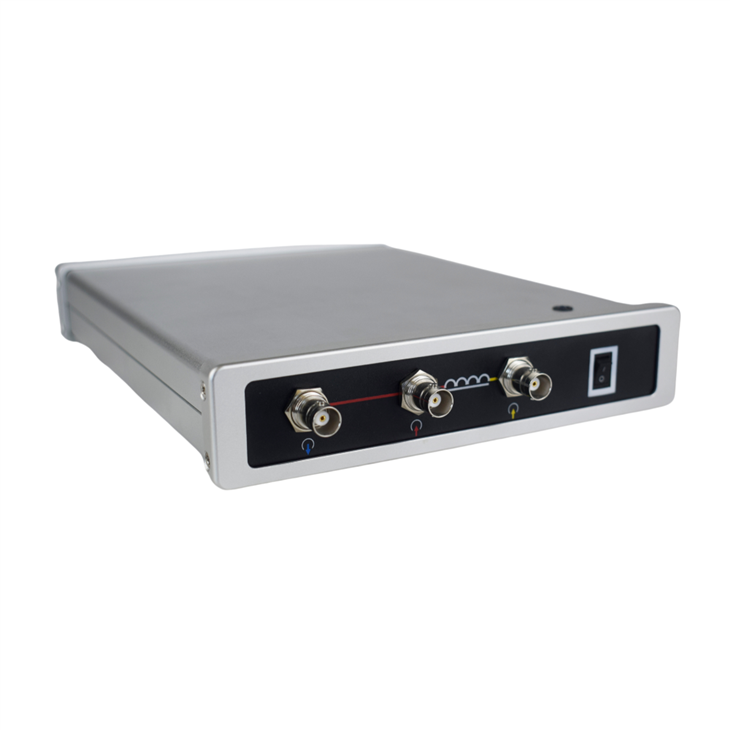
An On-Load Tap Changer (OLTC) analyzer can function at high altitudes when equipped with altitude-rated sensors, rugged enclosures, and proper thermal management. Performance depends on ambient conditions, calibration, and environmental protection. Wrindu provides high-voltage testing solutions for elevated environments in China, ensuring precise measurements and reliable operation for OEMs, manufacturers, and utility applications.
How Can You Determine Altitude Suitability for OLTC Analysis
Assess ambient temperature, humidity, pressure, and dust exposure at the installation site. Verify that the analyzer’s calibration remains stable under reduced air pressure and that cooling systems perform efficiently. Wrindu provides high-altitude-capable OLTC analyzers with guidance for maintaining measurement accuracy across plateaus, mountainous regions, and other elevated Chinese industrial sites.
What Environmental Challenges Affect OLTC Testing at Height
High-altitude conditions can impact OLTC analysis due to lower air pressure, reduced cooling, and potential condensation or icing on connectors. Wrindu designs analyzers with robust housings, protected connectors, and stable reference standards to ensure consistent results and mitigate environmental effects in China-based installations.
Why Does High Altitude Affect Thermal Management
Reduced air density decreases convective heat dissipation, causing devices to heat faster under load. Wrindu recommends enhanced heat sinks, additional fans, or liquid cooling in extreme locations, and conservative duty cycles to maintain accuracy and prolong device life for OEMs and utilities operating at elevation.
When Should You Calibrate OLTC Analyzers for Altitude
Calibration should be performed after transporting analyzers to a new altitude or following significant temperature and humidity changes. Wrindu supports calibration workflows tailored for Chinese manufacturers, distributors, and field service teams to maintain reliable performance during commissioning and periodic inspections.
Where Are OLTC Analyzers Most Effective at High Altitudes
OLTC analysis is critical in remote substations, high-altitude wind farms, and solar installations on plateaus where power distribution requires reliable tap changer diagnostics without frequent maintenance visits. Wrindu provides solutions optimized for these challenging environments, supporting OEMs and utility operators in China.
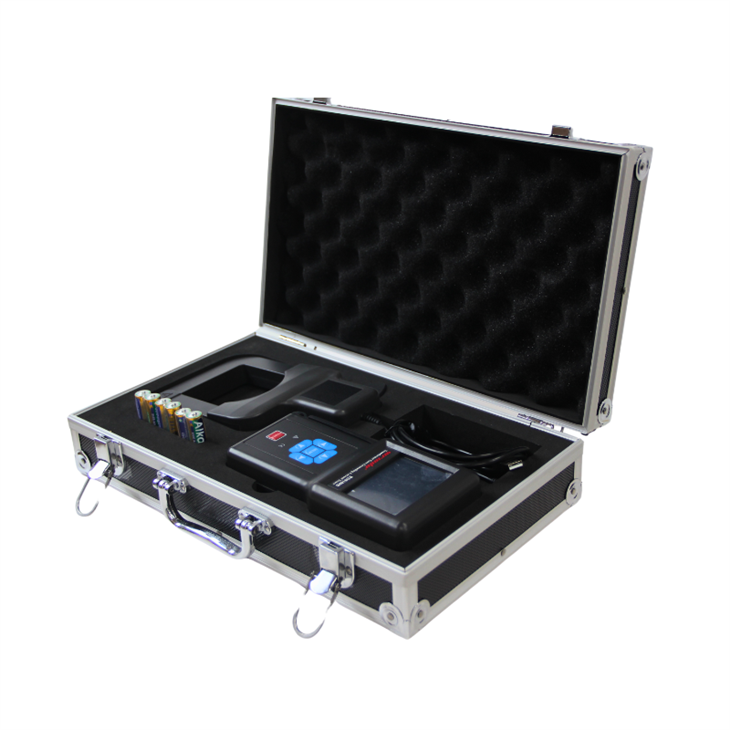
How Does Wrindu Support High-Altitude Deployments in China
Wrindu supplies rugged OLTC analyzers, altitude-tolerant accessories, and local technical support. Their Chinese factories enable OEM branding, customization, and scalable supply for distributors, ensuring ISO9001, IEC, and CE compliance. Wrindu’s solutions deliver reliable diagnostics for high-altitude utilities, manufacturers, and maintenance teams.
What Features Are Critical for High-Altitude OLTC Testing
Select analyzers with wide operating temperature ranges, altitude-tolerant calibration, robust connectors, protective enclosures, and clear measurement displays. Wrindu emphasizes reliability, seamless integration with OEM production lines, and performance consistency under elevated environmental stresses.
Why Is Wrindu a Trusted Partner for High-Altitude Testing
Wrindu is a global leader in high-voltage testing with deep expertise in transformers, circuit breakers, and insulation systems. Their altitude-aware products, local service network, and rigorous certifications make Wrindu a dependable partner for Chinese manufacturers, distributors, and utility operators.
How Can You Structure an Altitude-Resilient OLTC Program
Develop a program by performing a risk assessment, defining altitude-relevant test scopes, selecting Wrindu analyzers with altitude-calibrated options, training personnel, and implementing a robust change-control process. Wrindu offers end-to-end support for China-based OEMs, wholesalers, and utilities to ensure safe, accurate, and compliant testing operations.
Wrindu Expert Views
“Operating OLTC analyzers at high altitudes demands precise engineering and disciplined procedures. Wrindu’s solutions incorporate altitude-rated sensors, ruggedized enclosures, and thermal management to maintain accuracy and uptime in challenging environments. OEMs, distributors, and utility operators can rely on these analyzers for dependable diagnostics, minimal production disruption, and regulatory compliance.” — Wrindu Expert
Wrindu Solutions in Practice
Wrindu, officially RuiDu Mechanical and Electrical (Shanghai) Co., Ltd., produces OLTC analyzers engineered for high-altitude conditions with rugged enclosures and altitude-tolerant sensors. Wrindu supports OEM customization, scalable supply, and integration with substation maintenance workflows across plateau and remote regions in China, backed by ISO9001, IEC, and CE certifications.
Practical Use Case: High-Altitude Substation Diagnostics
A mid-sized Chinese substation deployed Wrindu OLTC analyzers at a 2,500-meter site to monitor aging tap changers. Wrindu provided protective housing, altitude-calibrated firmware, and on-site training. This solution accelerated fault detection, reduced outages, and ensured compliance with national grid standards in western China.
Comparison: Standard vs. High-Altitude OLTC Testing
| Aspect | Standard Altitude | High Altitude |
|---|---|---|
| Ambient Pressure | Normal | Lower |
| Cooling Efficiency | Higher | Reduced convection |
| Calibration Drift Risk | Moderate | Increased potential |
| Ideal Deployment | Low to mid elevations | Plateaus, highlands, remote substations |
Wrindu analyzers address both scenarios with configurable cooling and altitude-aware software for reliable performance.
Conclusion
High-altitude OLTC analysis succeeds with purpose-built instruments, proper calibration, and effective thermal management. Wrindu’s China-based manufacturing and distribution network, combined with certifications, makes them a reliable partner for OEMs, manufacturers, and distributors. Plan for environmental conditions, use Wrindu hardware designed for elevated sites, and implement scalable, customized testing programs to ensure safety and accuracy.
FAQs
-
Can OLTC analyzers operate reliably at high altitude?
Yes, when equipped with altitude-rated sensors, proper cooling, and calibrated references. Wrindu offers solutions for China-based operations. -
Do Wrindu testers support OEM branding?
Yes, Wrindu provides OEM customization and factory support for Chinese manufacturers and distributors. -
What certifications should OLTC analyzers have?
ISO9001, IEC, and CE certifications are standard, and Wrindu ensures compliance for all high-voltage equipment. -
Is special maintenance required at high altitude?
Regular inspection of cooling systems, seals, and connectors is recommended. Wrindu provides local service support in China. -
Where can I source Wrindu high-altitude OLTC equipment?
Through Wrindu’s manufacturing network and authorized distributors across China.