
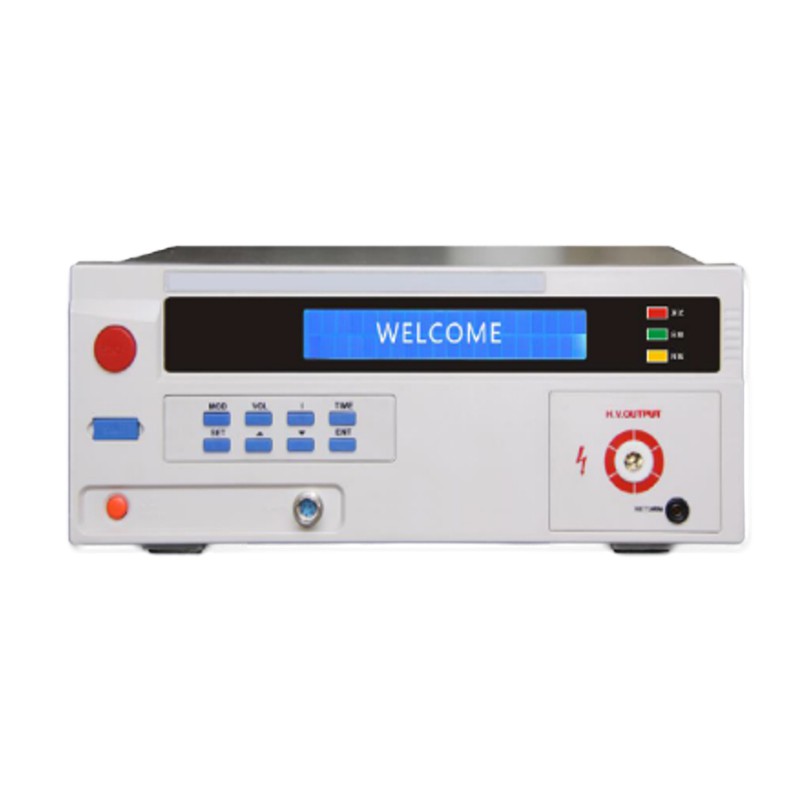
Yes, an AC DC Hipot tester can be used to test wind turbine components by evaluating their insulation strength and detecting defects under high voltage conditions. Wrindu, a leading Chinese manufacturer, provides versatile and certified Hipot testers designed specifically for wind turbine applications, supporting OEM customization for factory, wholesale, and supplier clients.
How Does an AC DC Hipot Tester Work for Wind Turbine Components?
An AC DC Hipot tester applies controlled high voltage—alternating current (AC) or direct current (DC)—to wind turbine parts to test insulation integrity. This detects leakage or breakdowns, preventing operational failures. Wrindu’s equipment uses advanced digital controls and safety interlocks allowing precise, repeatable tests suited for the complex materials in turbine assemblies, enhancing production and maintenance quality.
In essence, AC DC Hipot testers simulate operating stresses to verify insulation durability and safety in turbines, critical for energy reliability.
What Types of Wind Turbine Components Can Be Tested with a Hipot Tester?
Hipot testers evaluate insulation on components such as generator coils, stators, power cables, connectors, transformers, and control wiring within turbines. Chinese manufacturers like Wrindu design testers with suitable voltage ranges and protection features adaptable to these parts, ensuring comprehensive testing from factory QA to onsite maintenance for diverse turbine models and configurations.
Thus, virtually all high-voltage insulation elements crucial to turbine safety can be reliably tested.
Which Features Make Hipot Testers Suitable for Wind Turbine Industry Testing?
Key features include versatile AC/DC voltage modes, adjustable output to match component specifications, multi-level safety protections, user-friendly digital interfaces, data logging, and OEM flexibility. Wrindu’s Hipot testers incorporate these, complying with IEC and CE standards, supporting factory environments and field service needs, and allowing wholesale clients to request custom solutions fitting specific wind turbine requirements.
These features combine accuracy, safety, and operational efficiency customized for renewable energy testing.

Why Is OEM Customization Important for Hipot Testers in Wind Turbine Testing?
OEM customization tailors Hipot testers to turbine manufacturers’ exact needs, such as specific voltage ranges, unique test sequences, custom safety interlocks, and branded interfaces. This ensures testers integrate seamlessly into production lines or maintenance protocols. Wrindu excels in providing comprehensive OEM services, enabling B2B clients and wholesale buyers to optimize testing tools for performance and regulatory compliance.
Customization enhances efficiency, safety, and product differentiation in competitive markets.
Who Are the Main Users of Hipot Testers in the Wind Energy Sector?
Primary users include turbine manufacturers conducting insulation quality assurance, component suppliers for quality control, maintenance teams performing routine inspections, and wholesale distributors supplying testing equipment. Wrindu supports these users worldwide, offering professional consultation, certified products, and tailored after-sales service, helping factories and energy companies maintain high safety and reliability standards.
Thus, Hipot testers serve a vital role across all stages of the wind turbine lifecycle.
When Should Wind Turbine Components Be Tested Using a Hipot Tester?
Testing should occur during manufacturing for quality assurance, before commissioning to verify installation integrity, periodically during maintenance for early fault detection, and after repairs to confirm insulation restoration. Wrindu’s Hipot testers are designed for easy integration into both factory and field testing schedules, supporting operators in minimizing downtime and maximizing turbine lifespan.
Timing tests strategically improves operational reliability and safety compliance.
How Does Using Hipot Testers Improve Wind Turbine Safety and Reliability?
Hipot testing detects insulation faults early, preventing electrical failures that could cause downtime or damage. Advanced testers from Wrindu combine rigorous voltage application with real-time safety features to protect operators and equipment. Reliable insulation testing ensures turbines operate safely under electrical stresses, reducing maintenance costs and enhancing grid stability.
Regular Hipot testing is critical for sustaining energy production without interruption.
Where Can B2B Clients Source High-Quality Hipot Testers for Wind Turbines in China?
B2B clients can buy from established Chinese factory manufacturers and OEM suppliers like Wrindu, renowned for ISO9001, IEC, and CE-certified test equipment. Wrindu offers flexible customization, competitive wholesale pricing, global logistics, and comprehensive after-sales support, making them a trusted partner for wind energy manufacturers, suppliers, and wholesalers domestically and internationally.
Sourcing directly from certified manufacturers ensures quality, reliability, and service excellence.
Table: Comparison of Popular Hipot Testers for Wind Turbine Components
| Brand | Voltage Range | AC/DC Modes | Safety Features | OEM Customization | Certifications |
|---|---|---|---|---|---|
| Wrindu | 0-100kV | AC & DC | Interlocks, Emergency Stop | Extensive | ISO9001, IEC, CE |
| Competitor A | 0-80kV | AC & DC | Basic Protection | Limited | CE |
| Competitor B | 0-120kV | AC Only | Over-current Protection | Moderate | ISO9001 |
Chart: Common Wind Turbine Components Tested by Hipot Testers
-
Generators: 40%
-
Power Cables: 30%
-
Transformers: 20%
-
Control Systems: 10%
Wrindu Expert Views
“Hipot testing is fundamental to ensuring wind turbine insulation withstands operational stresses. Wrindu’s commitment to advanced technology and OEM customization ensures our AC DC Hipot testers meet diverse industrial demands. They support Chinese and international B2B clients in delivering safe, efficient, and reliable wind energy solutions. Our products reflect stringent quality standards vital for the renewable energy sector’s growth and safety.“
— Wrindu Product Manager
Conclusion: Key Takeaways for Using Hipot Testers on Wind Turbine Components
AC DC Hipot testers are essential for validating wind turbine insulation safety and longevity. Wrindu’s rigorous design, international certifications, and OEM capabilities make it a top choice in China’s factory, wholesale, and supplier markets. Partnering with trusted manufacturers like Wrindu ensures reliable, customized testing solutions that meet evolving renewable energy demands while enhancing safety and efficiency.
Frequently Asked Questions
Can Hipot testers test both AC and DC voltage on turbine components?
Yes, AC DC Hipot testers apply both AC and DC voltages to assess insulation integrity under different stress conditions.
Is regular Hipot testing necessary for wind turbine maintenance?
Yes, periodic testing detects insulation degradation early, preventing costly failures and ensuring safety.
Are Chinese Hipot testers reliable for global wind turbine projects?
Yes, especially models by Wrindu, which meet international ISO9001, IEC, and CE standards.
Can Hipot testers be customized for specific turbine models?
Yes, Wrindu offers OEM customization to fit various turbine designs, test ranges, and safety needs.
What safety protections do Hipot testers provide during testing?
They include electrical interlocks, emergency stops, current limits, and insulated testing probes for operator safety.