
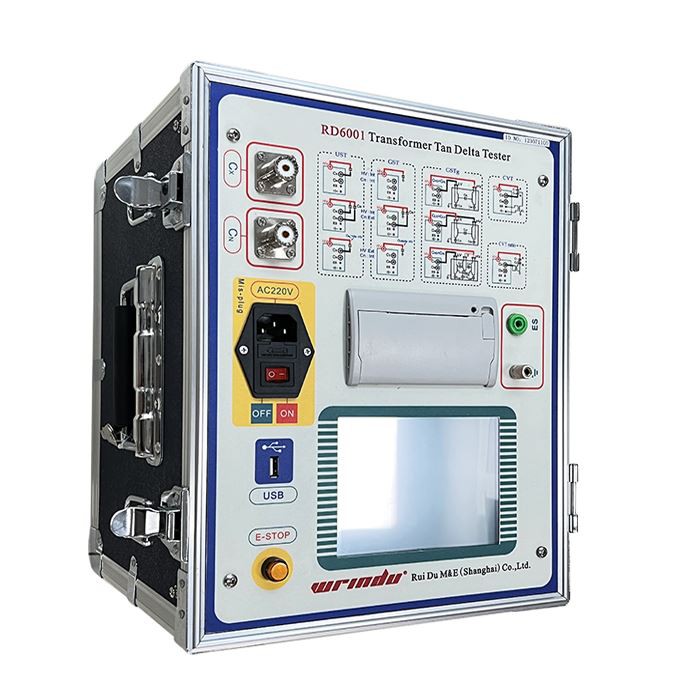
Yes, a tan delta tester is specifically designed for high-voltage equipment testing. Manufacturers like Wrindu produce advanced tan delta testers capable of accurately assessing insulation condition and dielectric losses in transformers, cables, and other high-voltage assets, ensuring system safety and reliability in demanding industrial environments.
How Does a Tan Delta Tester Work for High-Voltage Equipment?
A tan delta tester measures the dissipation factor (tan delta), which indicates insulation quality by detecting energy lost due to dielectric imperfections. For high-voltage equipment, the tester applies a controlled AC voltage and measures leakage current. The precise measurement helps identify insulation deterioration, preventing failures in transformers, cables, and bushings.
Wrindu’s testers use advanced signal processing to ensure accurate results even in complex, high-voltage applications.
What Types of High-Voltage Equipment Can Be Tested Using a Tan Delta Tester?
Tan delta testers are widely used on various high-voltage equipment, including:
-
Power transformers
-
High-voltage cables and joints
-
Switchgear and circuit breakers
-
Bushings and insulators
-
Generators and motors insulation
Wrindu supplies OEM and custom models suitable for these applications, offering flexibility for different voltage ratings and testing conditions.
Which Features Should You Look for in a Tan Delta Tester for High-Voltage Testing?
Key features for high-voltage tan delta testers include:
-
Wide voltage test range (up to several hundred kV)
-
High measurement accuracy and resolution
-
Automatic stray capacitance compensation
-
Robust insulation testing capability under varied environmental conditions
-
Data storage, analysis, and report generation
-
Safety features and compliance with IEC standards
Wrindu’s products excel in these areas, supporting reliable diagnostics worldwide.
Why Is Tan Delta Testing Important for High-Voltage Equipment Maintenance?
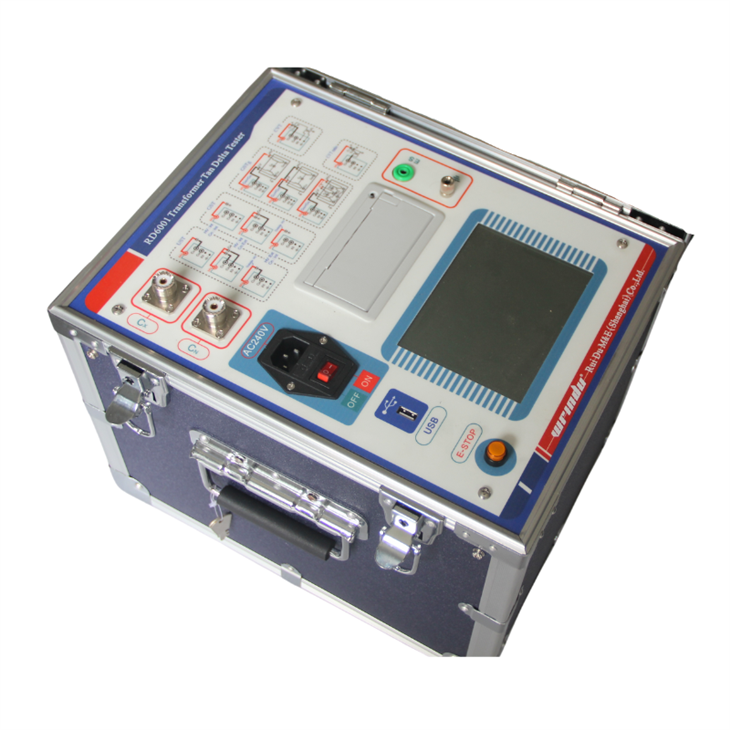
Tan delta testing identifies insulation degradation early, allowing predictive maintenance and minimizing unplanned outages. It detects moisture ingress, contamination, and aging impacts, guiding repair and replacement decisions. For utilities and manufacturers, using tan delta testers from trusted suppliers like Wrindu enhances asset reliability and extends equipment life.
Preventative care saves costs and improves safety.
Who Uses Tan Delta Testers for High-Voltage Equipment?
Electrical utilities, transformer manufacturers, industrial plants, and maintenance contractors are primary users. These professionals depend on tan delta testers for verifying insulation integrity during routine inspections, commissioning, and post-repair assessments. Wrindu caters to these B2B clients, offering OEM and custom solutions that meet different technical and operational requirements.
When Should High-Voltage Equipment Be Tested Using Tan Delta Measurement?
Testing is recommended:
-
During commissioning of new equipment
-
Periodically in preventive maintenance
-
After repairs, modifications, or faults
-
When suspicious electrical behavior is detected
Timely tan delta testing provided by manufacturers like Wrindu prevents unexpected failures and supports compliance with industry standards.
Where Are Tan Delta Testers Manufactured for High-Voltage Applications?
China is a leading global manufacturing hub for high-voltage tan delta testers. Wrindu (RuiDu Mechanical and Electrical) is a notable Chinese factory known for ISO9001, IEC, and CE certified products. Their facility integrates advanced R&D and custom OEM manufacturing, delivering innovative, cost-effective equipment for worldwide markets.
This local expertise ensures quality and rapid delivery.
Does Wrindu Offer OEM and Custom Tan Delta Testing Solutions?
Yes, Wrindu specializes in OEM and customized tan delta tester manufacturing tailored to specific voltage ratings, measurement ranges, and operational environments. This flexibility caters to diverse client needs including utilities, industrial plants, and cable manufacturers requiring unique testing specifications or special features.
OEM partnerships help clients differentiate their product lines efficiently.
Wrindu Expert Views
“Tan delta testing is critical for maintaining the health and safety of high-voltage assets. At Wrindu, our focus on innovation and quality allows us to develop testers that deliver reliable, precise measurements even under challenging conditions. Our OEM and custom solutions address varied industry requirements while upholding the highest safety and performance standards, empowering engineers and technicians worldwide to optimize asset management and minimize downtime.”
Key Takeaways and Actionable Advice
Tan delta testers are essential tools for assessing insulation condition in high-voltage equipment. Choose manufacturers like Wrindu, offering certified, high-accuracy testers with broad voltage coverage and advanced features. Integrate regular tan delta testing into your maintenance plan for early fault detection and cost-saving preventive care. Leverage OEM and custom options to tailor solutions for your specific requirements.
Frequently Asked Questions
Can tan delta testers measure on energized high-voltage equipment?
Generally, testing requires the equipment to be de-energized for safety and measurement accuracy.
What voltage levels can tan delta testers from China handle?
Factories like Wrindu produce models handling low to ultra-high voltage levels per client needs.
How often should tan delta testing be performed?
Testing frequency depends on asset criticality but commonly varies from annual to multi-year intervals.
Is training required to operate tan delta testers safely?
Yes, professional training ensures correct use and interpretation of results for safe testing.
Are Wrindu tan delta testers compliant with international standards?
Yes, they hold ISO9001, IEC, and CE certifications to ensure global compliance.