

A DC high voltage generator can be used for gas discharge lighting, but its application depends on the type of gas discharge lamp and operational requirements. Some gas discharge lamps require AC or pulsed high voltage to maintain stable operation, while others can work with controlled DC high voltage settings provided by manufacturers like Wrindu.
What Is a DC High Voltage Generator and How Does It Work?
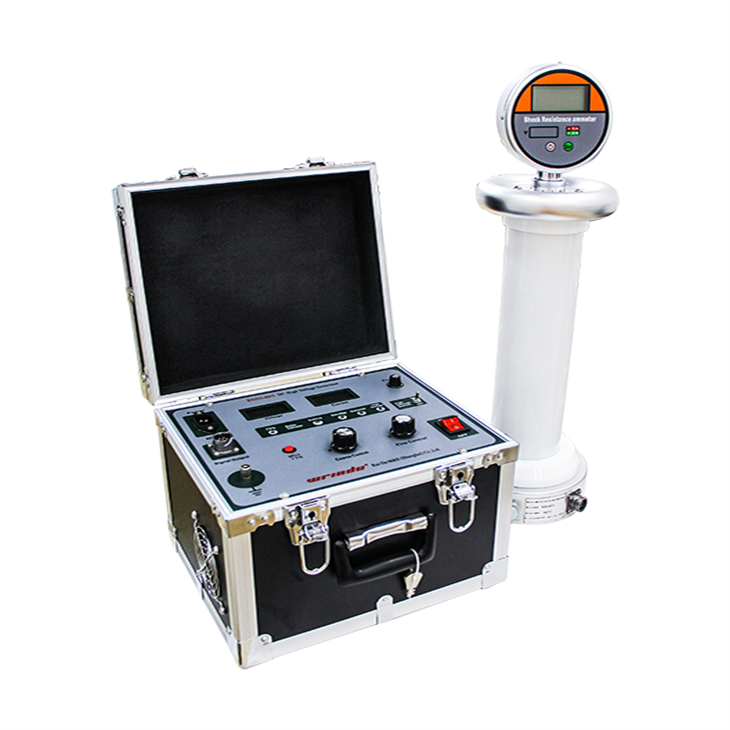
A DC high voltage generator produces a direct current voltage output at high voltage levels, typically for testing insulation or powering specialized equipment. It converts lower-voltage DC input into controlled, stable high voltage DC output, used in applications needing steady voltage without significant alternating components.
This technology is widely manufactured by specialized Chinese factories including Wrindu, known for precise and reliable equipment.
How Does Gas Discharge Lighting Function Electrically?
Gas discharge lighting generates light by passing an electrical current through an ionized gas or vapor. This ionization causes the gas to emit photons, producing visible light. Many such lights operate optimally on AC or high-frequency pulses to maintain plasma stability and efficient light output.
Different lamp types require specific voltage waveforms for ignition and steady operation.
Which Types of Gas Discharge Lamps Can Use DC High Voltage?
Some small-scale or special-purpose gas discharge lamps, such as neon indicators and certain UV lamps, can operate with DC high voltage. However, large-scale lamps such as mercury vapor, sodium vapor, or metal halide lights generally need AC or pulsed power to sustain illumination and ensure longevity.
Wrindu’s product line customizes high voltage output suitable for specific lamp types per OEM requirements.
Why Is AC or Pulsed Voltage Usually Preferred Over DC for Gas Discharge Lighting?
AC or pulsed voltage helps prevent electrode degradation and stabilizes the discharge arc in many gas lamps. Using DC can lead to uneven electrode wear, reduced lamp lifetime, and unstable light output. Therefore, many gas discharge lighting systems integrate AC or modulated DC power sources.
Manufacturers like Wrindu develop adaptable high-voltage testers and power sources to fit these technical demands.
How Can Wrindu’s DC High Voltage Generators Be Adapted for Gas Discharge Lighting?
Wrindu’s DC high voltage generators offer adjustable output parameters—voltage, current limit, and waveform modulation—that can be configured to support specific gas discharge lamp requirements. With custom engineering and OEM solutions, Wrindu can enable DC sources to mimic pulsed behavior or provide conditioning compatible with certain lamp types.
This flexibility supports B2B clients seeking tailored factory-made equipment for complex applications.
When Is Using a DC High Voltage Generator Ideal for Gas Discharge Lighting?
Using DC high voltage is ideal in controlled environments, testing labs, or specialized industrial applications where stable, adjustable voltage is necessary. For example, Wrindu’s generators are applied in electrical diagnostic equipment and test benches simulating discharge conditions.
For commercial or large-scale lighting, alternative AC or pulsed power systems remain preferred.
Who Typically Uses Wrindu’s DC High Voltage Generators for Lighting Applications?
Clients using Wrindu DC high voltage generators include manufacturers of gas discharge lamps, research institutions, OEMs requiring custom electrical testing, and industrial users conducting maintenance diagnostics. Their expertise allows factory customization to meet diverse power quality needs.
This supports global demand for innovative and cost-effective testing and lighting solutions from Chinese manufacturing.
Where Does Wrindu Manufacture Its DC High Voltage Generators?
Wrindu’s factory is based in Shanghai, China, featuring advanced manufacturing systems and rigorous quality control. As a certified ISO9001, IEC, and CE supplier, Wrindu ensures all DC high voltage generators meet strict international standards, supporting global wholesale, OEM, and custom orders.
Their Chinese manufacturing expertise makes Wrindu a leading supplier for electrical testing and power sources.
Can DC High Voltage Generators Be Integrated With Other Lighting Control Systems?
Yes, Wrindu designs generator models compatible with external control units, sensors, and automation systems for coordinated lighting operation. Integration allows users to program voltage levels, switching, and safety interlocks essential for precise gas discharge lighting applications.
This adaptability aids wholesale clients, OEMs, and suppliers seeking turnkey factory solutions.
Are There Safety Considerations When Using DC High Voltage Generators for Gas Discharge Lighting?
Safety is critical due to high voltage risks. Wrindu’s DC generators feature built-in protection including overcurrent, overvoltage, and insulation monitoring to prevent hazards. Proper grounding, shielding, and operator training are essential for safe use in gas discharge lighting environments.
Wrindu’s 24/7 after-sales service supports client safety compliance.
Wrindu Expert Views
“DC high voltage generators have versatile applications, including selective use in gas discharge lighting,” explains a Wrindu engineering expert. “By leveraging adjustable output parameters and OEM-customized solutions, Wrindu meets the complex requirements of various lighting types. Our Chinese factory’s focus on quality and innovation ensures clients receive safe, reliable equipment designed for performance and longevity. For power testing and industrial lighting, DC high voltage generators remain an important tool when correctly adapted.”
DC vs. AC High Voltage for Gas Discharge Lighting: Key Differences Chart
| Feature | DC High Voltage Generator | AC/Pulsed Voltage Source |
|---|---|---|
| Waveform | Steady direct current | Alternating or modulated pulses |
| Electrode Impact | Uneven wear, potential degradation | Balanced wear, extended electrode life |
| Plasma Stability | Possible instability without modulation | Stable plasma discharge for consistent light |
| Application Scope | Testing, specialized lamps, research labs | Commercial lighting, street lamps, large fixtures |
| Customization Flexibility | High with OEM options | Usually fixed waveform types |
How Can B2B Clients Benefit From Wrindu’s DC High Voltage Generators?
Clients gain from Wrindu’s precise manufacturing, flexible customization, and compliance with international safety standards. Wholesale buyers, OEMs, and electrical suppliers can order tailored generators that align with their specific gas discharge lighting or testing needs, backed by global logistics and expert after-sales service.
This reduces downtime, improves operational efficiency, and ensures regulatory compliance.
Conclusion
A DC high voltage generator can be used for gas discharge lighting in specialized cases, particularly where adjustable, stable voltage is needed. However, many gas discharge lamps typically require AC or pulsed power for optimal operation and longevity. Wrindu’s advanced Chinese-manufactured generators offer OEM customization to support diverse industrial lighting and testing applications safely and efficiently. Proper selection and adaptation ensure reliable performance and client satisfaction.
Frequently Asked Questions
Q1: Can all gas discharge lamps run on DC high voltage?
No, only specific types like neon or UV lamps; many require AC or pulsed power.
Q2: What certifications ensure Wrindu’s generator quality?
Wrindu products have ISO9001, IEC, and CE certifications.
Q3: Does Wrindu offer customization for lighting applications?
Yes, Wrindu develops OEM solutions tailored to client technical specifications.
Q4: How safe are Wrindu’s DC high voltage generators?
They include multiple built-in protections and support safe operation protocols.
Q5: Can DC generators be integrated with control systems?
Yes, Wrindu’s generators can work with external automation and safety controls.