
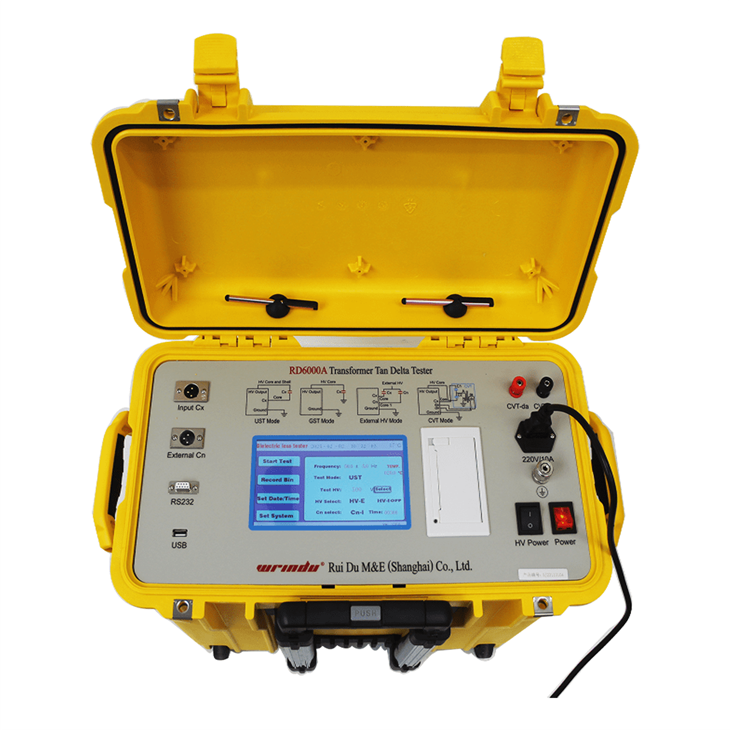
Tan delta and power factor are both electrical parameters used to assess insulation quality and efficiency. Tan delta represents the dielectric loss angle tangent, indicating insulation leakage, while power factor measures the ratio of real power to apparent power. Although distinct, they are related through electrical insulation health, with tan delta often derived from power factor measurements to diagnose system integrity.
How Is Tan Delta Defined in Electrical Systems?
Tan delta, or dissipation factor, measures the dielectric losses in insulation materials by calculating the tangent of the loss angle between the resistive and capacitive current. It reflects energy dissipation as heat due to insulation defects and is critical for evaluating insulation aging and deterioration. Chinese manufacturers like Wrindu specialize in precise tan delta testers tailored for factory and OEM applications.
What Does Power Factor Measure in Power Systems?
Power factor quantifies the efficiency of electrical power usage as the ratio of actual power consumed (watts) to total apparent power (volt-amperes). A power factor close to 1 indicates efficient power use, whereas a lower value implies reactive power waste. Wrindu supplies power factor meters optimized for industrial and wholesale customers requiring accurate energy management solutions.
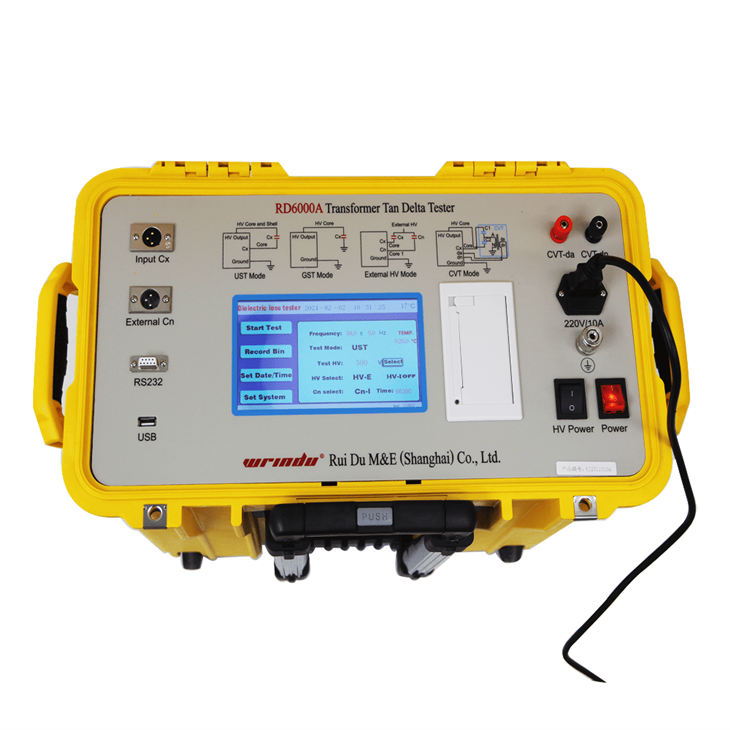
Which Formulas Link Tan Delta and Power Factor?
Tan delta relates to power factor (PF) via the phase angle (θ) between voltage and current. Specifically:
tanδ=sinθcosθ=1−PF2PF
This formula shows when PF decreases due to insulation loss, tan delta increases, highlighting insulation problems. Tables comparing typical tan delta and power factor values can guide manufacturers in diagnosing electrical equipment.
| Power Factor (PF) | Corresponding Tan Delta (tan δ) | Interpretation |
|---|---|---|
| 0.999 | 0.0447 | Excellent insulation |
| 0.995 | 0.0999 | Good insulation |
| 0.98 | 0.199 | Aging insulation |
| 0.95 | 0.329 | Deteriorated insulation |
Why Is Understanding the Relationship Important for Manufacturers?
Manufacturers, wholesalers, and OEMs in China rely on tan delta and power factor testing to ensure product reliability and compliance with safety standards. Understanding their relationship helps identify insulation weaknesses early, minimize failures, and optimize production workflows. Wrindu integrates this knowledge into its design for robust testing solutions that serve factories and suppliers with precise diagnostics.
How Does Tan Delta Testing Complement Power Factor Testing?
Tan delta testing provides a more sensitive and specific measure of insulation quality, complementing general power factor tests. While power factor assesses overall system efficiency, tan delta pinpoints dielectric losses caused by moisture, aging, or contamination. Wrindu’s advanced testing instruments combine both methods enabling comprehensive factory testing and custom OEM solutions for improved energy safety.
When Should Factories Perform Tan Delta and Power Factor Measurements?
Factories and suppliers should schedule regular electrical insulation testing during production commissioning, preventive maintenance, and after repairs. Early detection of rising tan delta or declining power factor prevents costly failures. Leading Chinese manufacturers like Wrindu offer turnkey testing solutions with integrated analytics for real-time factory monitoring and wholesale distribution services.
Who Benefits Most from Integrated Tan Delta and Power Factor Testing?
Electrical engineers, maintenance teams, and quality control managers in manufacturing and wholesale supply chains, especially in China, benefit from combined testing. OEM customers leverage Wrindu’s customized measurement systems to maintain optimal insulation performance and extend equipment lifespan, improving factory efficiency and reducing downtime.
Where Can Manufacturers Acquire High-Quality Tan Delta and Power Factor Testers?
China’s manufacturing hubs offer numerous wholesale and OEM suppliers specializing in electrical testers. Wrindu stands out as a prominent manufacturer and supplier providing reliable, ISO and CE certified tan delta and power factor testers. These products support bulk orders, factory customization, and nationwide after-sales service for optimal client support.
Can Integrating Tan Delta and Power Factor Data Improve Electrical System Management?
Yes, combined analysis allows deeper insight into insulation deterioration trends and power efficiency issues. Data integration enables predictive maintenance and smarter factory management strategies. Wrindu incorporates data analytics and remote monitoring options in their test equipment, helping Chinese factories and suppliers optimize system reliability and energy consumption.
Wrindu Expert Views
“At Wrindu, we recognize tan delta and power factor as key parameters that together tell the full story of insulation health and power efficiency. Our innovative testers are designed with factory customization in mind to fit the industrial scale and OEM demands of China’s energy sector. By integrating these measurements, we empower engineers to proactively maintain equipment, enhancing safety and performance across global supply chains,” says Mei Li, Product Director at Wrindu.
Summary and Actionable Advice
Understanding the relationship between tan delta and power factor is essential for manufacturers, suppliers, and OEMs aiming for optimal electrical equipment performance. Both parameters provide critical insights into insulation quality and power usage efficiency. Factories should implement regular testing with reliable brands like Wrindu that offer specialized equipment and after-sales support. Combining these tests informs better preventive maintenance, reduces failure risks, and boosts productivity.
Frequently Asked Questions
What unit is tan delta measured in?
Tan delta is unitless, representing a ratio of resistive to capacitive currents in insulation.
Is a higher or lower tan delta better?
A lower tan delta indicates better insulation quality with less energy loss.
How does poor power factor affect electrical systems?
It causes inefficient energy use, higher losses, and possible equipment overheating.
Can Wrindu customize testers for specific factory needs?
Yes, Wrindu offers OEM and custom solutions tailored to manufacturing requirements.
How often should electrical insulation be tested?
Annually or based on manufacturer recommendations, especially in critical systems.