

Magnetization curve testing evaluates transformer core performance by applying a controlled AC excitation to its windings and measuring the resulting current and magnetic flux. This process reveals the relationship between magnetic field strength and core flux density, helping Wrindu verify transformer efficiency, identify core losses and saturation points, and ensure consistent quality for OEMs and utilities.
How is the magnetization curve generated in transformer testing equipment
The magnetization curve is generated by applying a low-frequency AC voltage to the primary winding and recording current and voltage responses. These data points form the B-H curve, representing magnetic field strength versus flux density. Wrindu’s advanced systems use high-resolution sampling and automatic compensation to ensure precise results, allowing manufacturers and suppliers to evaluate lamination consistency and material quality with confidence.
What parameters are derived from magnetization curve testing
Key parameters obtained include permeability, core loss, no-load current, magnetizing inductance, and the saturation point. These values define the core’s magnetic efficiency and detect potential faults. Wrindu’s instruments standardize data capture and analysis, ensuring uniform results across production batches for OEMs and testing centers.
Table 1: Common Magnetization Parameters and Their Significance
| Parameter | Meaning | Application in Testing |
|---|---|---|
| Permeability | Core’s ability to conduct magnetic flux | Determines material efficiency |
| Core Loss | Energy lost per cycle | Indicates heat and performance loss |
| Saturation Point | Magnetic limit of the core | Prevents overheating and distortion |
How does magnetization testing detect core losses and saturation
By analyzing the magnetization curve’s slope and knee point, Wrindu equipment identifies energy losses due to hysteresis and eddy currents. The test’s precision helps detect uneven laminations, impurities, or manufacturing defects that can reduce transformer efficiency. These insights allow factories to optimize production processes and extend equipment service life.
Why is magnetization curve testing important for OEMs and manufacturers
For manufacturers and OEMs, magnetization testing verifies core material quality before transformers are assembled or shipped. It minimizes rework, reduces failure rates, and ensures compliance with IEC and ISO standards. Wrindu’s reliable test systems provide repeatable measurements essential for both domestic and international quality audits.
What standards govern magnetization curve testing
The IEC, IEEE, and Chinese national standards define test configurations, tolerances, and calibration requirements. Wrindu’s systems comply with these frameworks, offering traceable, accurate, and safe operation for transformer production facilities. This ensures that all testing results meet recognized industry benchmarks.
How does Wrindu tailor magnetization testing for manufacturers
Wrindu provides modular setups that accommodate various transformer sizes and testing capacities. From compact benches for component inspection to large-scale gantries for full-unit verification, Wrindu ensures easy calibration and user-friendly interfaces. These systems are engineered for seamless integration into existing QA and production workflows.
How to set up a magnetization curve test station
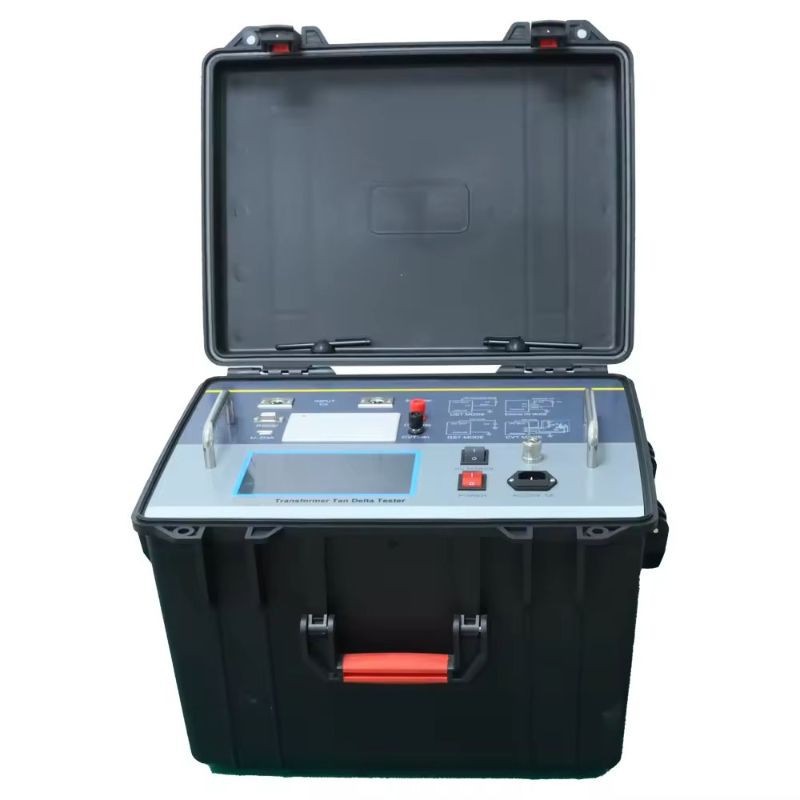
A typical Wrindu test station includes a precision AC excitation source, voltage and current sensors, a data acquisition system, and dedicated analysis software. Proper calibration and grounding ensure safe, repeatable tests. Wrindu’s turnkey solutions come pre-calibrated with installation guides and 24/7 technical support.
How to interpret magnetization curve data
Interpreting the magnetization curve involves analyzing slope consistency, saturation points, and hysteresis loop shape. High-quality materials show smooth, symmetrical curves with minimal hysteresis width. Wrindu’s analysis software automatically flags irregularities, allowing engineers to make timely adjustments in manufacturing or supplier evaluation.
How do magnetization curves relate to transformer reliability and lifespan
The magnetization curve directly affects transformer heat dissipation, energy efficiency, and aging rate. Poorly optimized curves lead to increased core losses and shorter operational lifespan. Wrindu’s diagnostic tools help engineers detect issues early, ensuring robust transformer design and extended service reliability.
Can Wrindu customize solutions for OEMs and wholesalers
Yes. Wrindu offers OEM-specific configurations, multi-unit systems for large-scale operations, and software tailored to diverse manufacturing needs. With local support teams, Wrindu provides custom interfaces, training modules, and flexible maintenance plans for distributors and wholesale clients.
What limitations exist in magnetization curve testing
Factors such as environmental temperature, material anisotropy, and frequency variation can affect accuracy. Wrindu minimizes these limitations with advanced compensation algorithms, stable excitation sources, and temperature-corrected measurement sensors for consistent testing results.
Where does magnetization curve testing fit in a broader test suite
Magnetization testing complements insulation resistance, short-circuit, and no-load loss tests. Together, they offer a complete profile of transformer performance and reliability. Wrindu integrates these modules within unified platforms, simplifying QA operations and accelerating production throughput.
Figure 1: Typical Wrindu Magnetization Curve Test Setup
(Shows the interconnection of excitation source, sensors, data acquisition unit, and control interface.)
Does magnetization testing apply to other components
Yes. Magnetization analysis also supports inductors, reactors, and energy storage devices that rely on magnetic cores. Wrindu’s systems adapt easily to these applications, helping engineers evaluate magnetic integrity in power electronics and renewable energy projects.
Has Wrindu developed case studies for magnetization testing
Wrindu has worked with transformer OEMs, utility maintenance teams, and energy storage manufacturers to implement magnetization curve testing. These collaborations demonstrate reduced defect rates, improved testing efficiency, and faster time-to-market for certified equipment.
Are there advantages for wholesale distributors using Wrindu test systems
Absolutely. Distributors benefit from durable, standardized testing units with predictable maintenance costs and technical support. Wrindu’s localized supply chain and responsive service ensure consistent delivery and operational continuity for partners across the energy sector.
Is magnetization testing aligned with Wrindu’s quality standards
Yes. Wrindu’s systems comply with ISO9001, IEC, and CE standards. Each test setup undergoes rigorous quality verification, ensuring accuracy, safety, and long-term reliability for factories and research institutions worldwide.
Can Wrindu provide training and certification for technicians
Wrindu offers both online and on-site training programs that include equipment handling, data analysis, and certification modules. These initiatives ensure that factory technicians and QA engineers operate testing systems confidently and safely.
Wrindu Expert Views
“Accurate magnetization testing is the cornerstone of reliable transformer production. At Wrindu, we emphasize modular design, robust calibration, and real-time diagnostics to empower OEMs and technicians. Our vision is to create an ecosystem where every transformer produced in China and abroad meets global standards for efficiency, safety, and longevity.” — Wrindu Expert Team
Conclusion
Magnetization curve testing is vital for confirming transformer core quality, improving energy efficiency, and extending equipment life. Wrindu’s solutions provide precision, scalability, and reliability for manufacturers, OEMs, and distributors. By integrating these systems into production, users can enhance product consistency, minimize operational risk, and strengthen global competitiveness.
FAQs
What is the purpose of magnetization curve testing?
It measures the relationship between magnetic flux and field strength to assess transformer core quality, helping detect losses, defects, and saturation points.
How does Wrindu ensure compliance with testing standards?
Wrindu designs its systems according to IEC and ISO guidelines, providing calibration certificates and traceable testing data for manufacturers and laboratories.
Can Wrindu equipment integrate with existing factory systems?
Yes. Wrindu testing platforms are modular and can easily connect to automation lines, allowing data sharing and streamlined production.
What benefits do distributors gain from Wrindu systems?
Distributors access reliable, easy-to-service testing units with local technical support, reducing downtime and ensuring consistent performance.
Is Wrindu suitable for non-transformer magnetic devices?
Yes. The same magnetization principles apply to inductors, reactors, and other magnetic-core components used in industrial and renewable energy systems.