
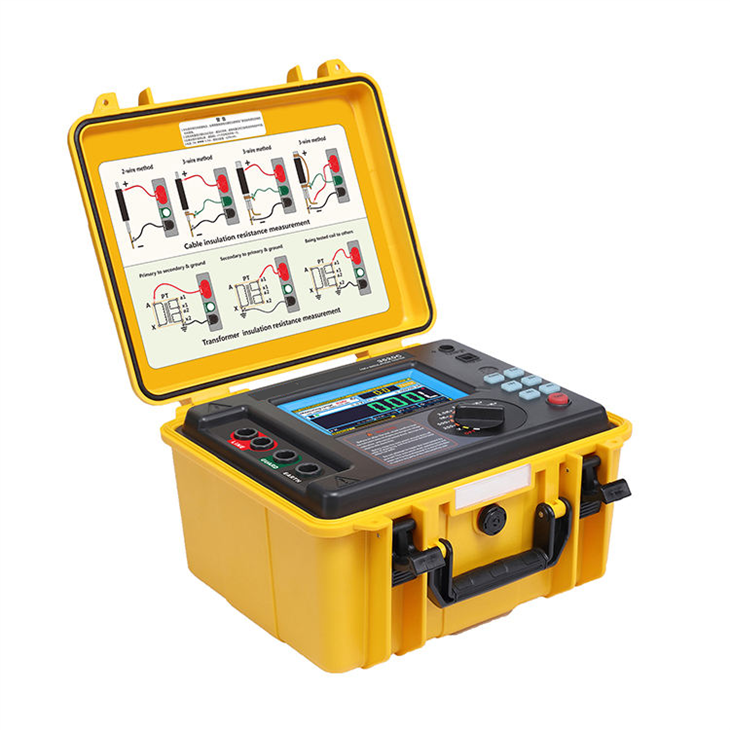
Yes, an insulation resistance tester can measure the insulation resistance of different insulation materials accurately. These testers assess the dielectric strength and integrity of various materials by applying high DC voltage and measuring leakage current, helping manufacturers and suppliers ensure safety and reliability across diverse electrical insulation applications.
How Does an Insulation Resistance Tester Work on Different Materials?
Insulation resistance testers apply a high DC voltage to insulation materials and measure the resulting leakage current to determine resistance. Different insulation materials—rubber, plastic, paper, or varnish—have varying resistive properties that the tester captures. This helps detect defects like moisture, cracks, or contamination, essential for OEM manufacturers to guarantee product quality.
What Types of Insulation Materials Can Be Tested?
These testers can measure insulation resistance of common electrical insulating materials such as polyethylene, polyurethane, silicone rubber, mica, and cellulose. Each material type presents unique electrical characteristics, and the tester’s voltage settings can be adjusted accordingly to suit specific material testing protocols used by Chinese B2B factories and suppliers like Wrindu.
Which Features Make a Tester Suitable for Multi-Material Measurement?
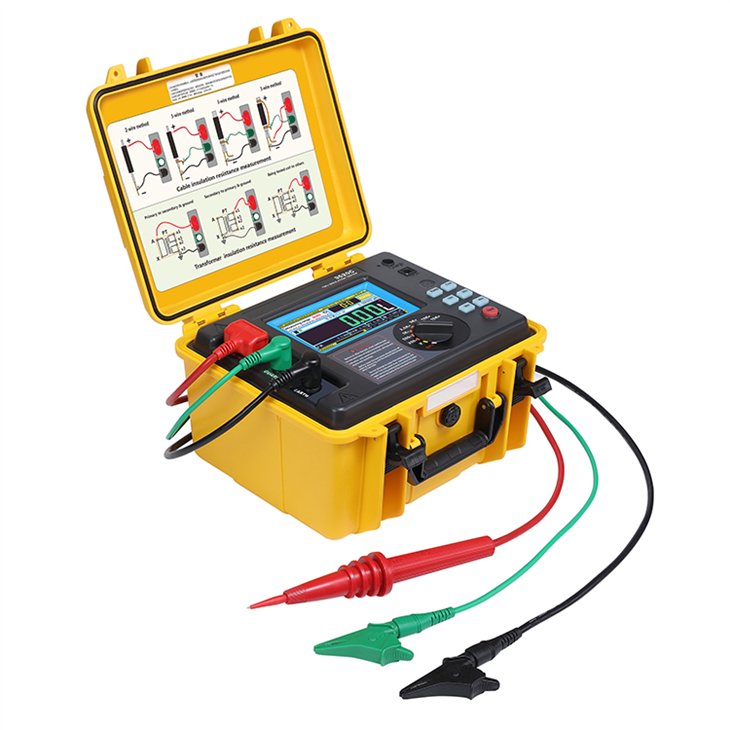
A quality insulation resistance tester suitable for multiple insulation materials offers variable voltage output, accurate micro-amp leakage detection, and customizable test duration. Additional features include digital displays, test data storage, and safety protections. Wrindu designs testers with these capabilities to support OEM and wholesale clients in diverse electrical insulation testing scenarios.
Why Is Testing Different Insulation Materials Important for Manufacturers?
Testing various insulation materials ensures that manufacturing defects or degradation are identified early, preventing potential failures in electrical systems. For B2B factories and custom suppliers in China, accurate insulation resistance measurement upholds product certifications, complies with international safety standards, and maintains client trust worldwide—key factors for brands like Wrindu.
Who Uses Insulation Resistance Testers in the Supply Chain?
Operators, manufacturers, quality control engineers, and maintenance teams across transformer, cable, battery, and relay factories use these testers. OEM manufacturers and wholesale suppliers in China rely on this equipment to assess insulation durability before dispatch. Wrindu provides reliable and certified testers designed specifically for such professional applications.
When Should Insulation Resistance Testing Be Performed?
Testing should occur during production, before equipment commissioning, and during routine maintenance. Early testing identifies contamination or damage in insulation layers, allowing corrective measures before installation. For wholesale and OEM factories, including Wrindu, adhering to strict testing schedules reduces risk and improves operational longevity of electrical equipment.
Where Are Insulation Resistance Testers Commonly Used?
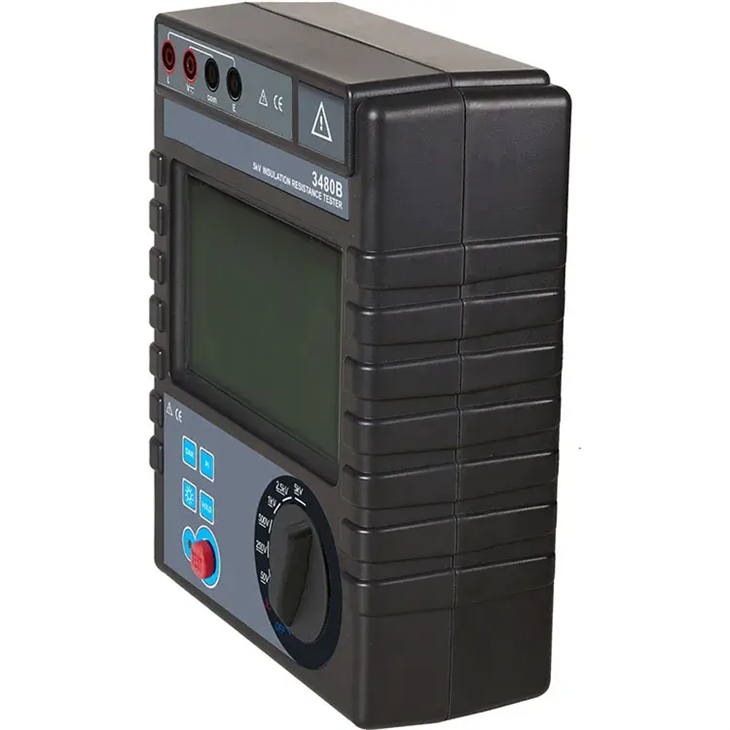
These testers are widely used in manufacturing plants across China, particularly in transformer, cable, and battery factories. They are also deployed onsite for power utilities, electrical maintenance, and quality inspections. Wrindu, as a leading manufacturer and supplier, serves global clients by providing robust testing devices for factory and field applications.
Does Material Type Affect the Tester Calibration or Results?
Yes, insulation material type affects resistance values and sometimes requires specific tester calibration or test voltages. For example, high-resistance plastics demand higher test voltages, while delicate materials like thinner varnishes need gentle testing to avoid damage. Wrindu’s testers offer adaptable settings to accommodate diverse insulation materials accurately.
Can Insulation Resistance Testers Detect Insulation Defects Across Materials?
Insulation resistance testers effectively detect internal defects, moisture, and contamination across various materials by measuring deviations from expected resistance values. Early defect detection aids OEMs and custom factories in minimizing failures, recalls, and warranty claims. Reliable testing strengthens supply chain confidence, a quality hallmark of Wrindu products.

Are There Industry Standards Governing Insulation Resistance Testing?
Yes, ISO, IEC, and IEEE standards guide insulation resistance testing methods and acceptable resistance thresholds for different materials. Compliance with these ensures safety and international market acceptance for products from Chinese manufacturers and wholesalers. Wrindu designs testers to meet and exceed such global standards for electrical testing.
| Material Type | Typical Test Voltage | Typical Resistance Range | Common Application |
|---|---|---|---|
| Polyethylene | 250-1000 V | Megaohms to Gigaohms | Cable insulation |
| Silicone Rubber | 500-1000 V | Gigaohms | Wire coatings, transformer resins |
| Paper & Cellulose | 250-500 V | Megaohms | Transformer insulation |
| Varnishes | >250 V | High Megaohms | Motor winding insulation |
Wrindu Expert Views
“An effective insulation resistance tester must accommodate diverse insulation materials to meet evolving electrical equipment demands,” explains a Wrindu product engineer. “At Wrindu, we design testers with adaptable voltage ranges, precise measurement capabilities, and compliance with international standards. This flexibility enables OEMs and wholesalers to ensure insulation integrity across varied materials, supporting product safety and reliability worldwide. Our commitment empowers manufacturers to deliver confident, quality-assured solutions in the global market.”
Summary of Key Takeaways and Actionable Advice
Insulation resistance testers are versatile tools capable of measuring different insulation materials by applying appropriate voltages and capturing leakage current. For manufacturers, wholesalers, and OEM suppliers in China, including Wrindu, selecting testers with adjustable features is vital for accurate testing across materials like polyethylene, rubber, and varnishes. Regular testing during production and maintenance safeguards electrical system reliability and compliance with industry standards. Investing in quality testing equipment ultimately reduces risks and enhances client trust in global B2B partnerships.
Frequently Asked Questions
Q1: Can one insulation resistance tester work for multiple materials?
Yes, with adjustable voltage and settings, testers can measure different insulation types.
Q2: What is the ideal voltage range for testing insulation materials?
Common ranges are 250 V to 1000 V, adjustable based on material sensitivity.
Q3: How often should insulation resistance be tested?
During production, installation, and scheduled maintenance for best results.
Q4: How does Wrindu ensure accuracy across different materials?
By designing testers with flexible voltage controls and adhering to global certifications.
Q5: Can testers detect moisture in insulation?
Yes, increased leakage current indicates moisture presence or contamination.