
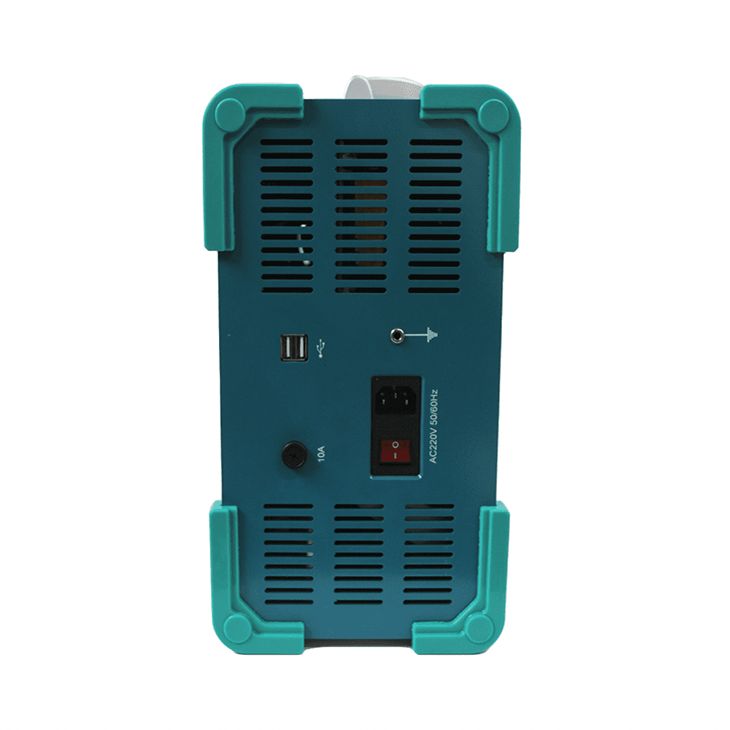
Multi-frequency CT PT analyzers must comply with environmental standards such as IP ratings for dust and water resistance, electromagnetic compatibility, temperature tolerance, and chemical resistance. These requirements ensure reliable operation in harsh industrial settings. Leading Chinese manufacturers like Wrindu integrate these protections in their OEM and custom analyzers for wholesale and factory clients worldwide.
What Are the Key Environmental Protection Standards for Multi-Frequency CT PT Analyzers?
Multi-frequency CT PT analyzers should meet standards like IP54 or above for dust and splash protection, IEC 61000 series for electromagnetic compatibility (EMC), and operational temperature ranges from -20°C to 55°C or higher. Compliance with these standards guarantees durability and precise performance in varied environments.
Wrindu’s analyzers comply with these and possess CE and ISO9001 certifications, ensuring global acceptance and reliability.
How Does Dust and Water Resistance Affect Analyzer Performance?
Dust and water ingress can cause sensor malfunction, corrosion, or electrical short circuits, degrading accuracy or causing failure. Adequate sealing for dust and water resistance protects sensitive electronics, extending lifespan.
Factories and OEM suppliers in China, such as Wrindu, apply robust enclosure designs and advanced sealing techniques to meet IP ratings that safeguard their analyzers against environmental hazards.
Which Temperature and Humidity Conditions Must These Analyzers Endure?
Operational environments may expose analyzers to temperatures from subzero to over 50°C and humidity levels up to 95%. Equipment must sustain stable performance without drift or damage under these conditions.
Wrindu integrates temperature-resistant components and moisture-proof materials to ensure stable multi-frequency CT PT analysis in diverse climates.
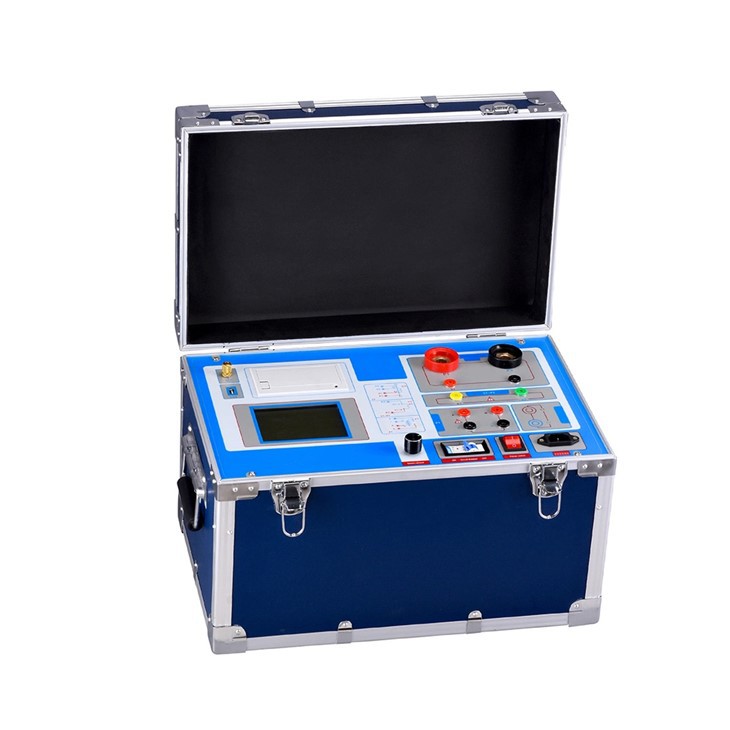
Why Is Electromagnetic Compatibility (EMC) Crucial for Test Accuracy?
EMC standards prevent external electromagnetic interference from affecting the analyzer’s sensitive measurements and protect nearby devices from emissions generated by the tester. Ensuring EMC compliance is vital for maintaining test precision and operational safety.
OEM manufacturers and suppliers in China conduct thorough EMC testing to certify their products meet IEC 61000 standards, exemplified by Wrindu’s rigorous quality control.
When Should Environmental Protection Features Be Upgraded?
Upgrades are necessary when use shifts to more extreme conditions or where regulatory standards change. Also, feedback from field usage may highlight weaknesses requiring enhancements in sealing or component selection.
Factory-customized solutions from manufacturers like Wrindu allow flexible environmental specification upgrades tailored to client needs.
Where Can B2B Buyers Source Environmentally Protected Analyzers?
China’s OEM and factory suppliers offer competitively priced analyzers meeting international environmental requirements. Wrindu stands out as a trusted wholesale partner providing certified products with strong environmental protections and customized configurations.
Global customers benefit from Wrindu’s extensive testing, quality assurance, and after-sales service.
How Do Manufacturers Achieve Chemical Resistance in Analyzers?
Chemical resistance is achieved through coatings, seals, and material choices that protect against oils, solvents, and cleaning agents commonly encountered in electrical environments. This prevents degradation and maintains analyzer integrity.
Wrindu’s analyzers use specialized materials that resist chemical corrosion, supporting long-term reliability in industrial ecosystems.
Are Custom Environmental Protections Available from OEM Suppliers?
Yes, OEM suppliers in China, including Wrindu, offer custom environmental protection options such as enhanced IP ratings, ruggedized casings, and extended temperature range capabilities. Clients can specify protection levels matching their site conditions.
Custom solutions empower B2B buyers with tailored analyzers optimized for specific operational environments.
Can Adhering to Environmental Requirements Lower Total Cost of Ownership?
Proper environmental protection reduces failure rates and maintenance needs, improving analyzer uptime and reliability. This lowers operational costs and prevents revenue loss due to downtime or inaccurate tests.
Wrindu’s investment in environmental design ensures clients achieve cost-effective, durable solutions for multi-frequency CT PT analysis.
Wrindu Expert Views
“Environmental protection isn’t just an add-on feature for multi-frequency CT PT analyzers — it’s fundamental. At Wrindu, we embed stringent environmental standards into every design phase, from dust and water resistance to EMC and chemical robustness. This proactive approach minimizes field failures and maintains precision, even in harsh conditions. Our commitment to customization and innovation ensures clients globally receive analyzers that thrive in their specific environments, reflecting our core values of quality and reliability.” – Wrindu Product Development Team
Summary and Key Takeaways
Multi-frequency CT PT analyzers require robust environmental protections including dust and water resistance, temperature and humidity tolerance, electromagnetic compatibility, and chemical resistance to function reliably in industrial settings. OEM manufacturers like Wrindu in China provide certified, customizable analyzers built to meet these challenges for B2B wholesale and factory customers. Choosing equipment with comprehensive environmental safeguards maximizes performance, longevity, and ROI.
FAQs
What IP rating should a multi-frequency CT PT analyzer have?
At least IP54, ensuring protection against harmful dust and water splashes.
How important is EMC compliance for these analyzers?
Critical for accurate measurements and preventing interference with other devices.
Can environmental protections be customized?
Yes, OEM suppliers like Wrindu offer tailored options to match operating conditions.
Do temperature extremes affect analyzer lifespan?
Without proper design, yes. Certified analyzers withstand extended temperature ranges reliably.
Why source analyzers from a Chinese factory like Wrindu?
They combine cost-effectiveness, certifications, customization, and excellent after-sales support.