
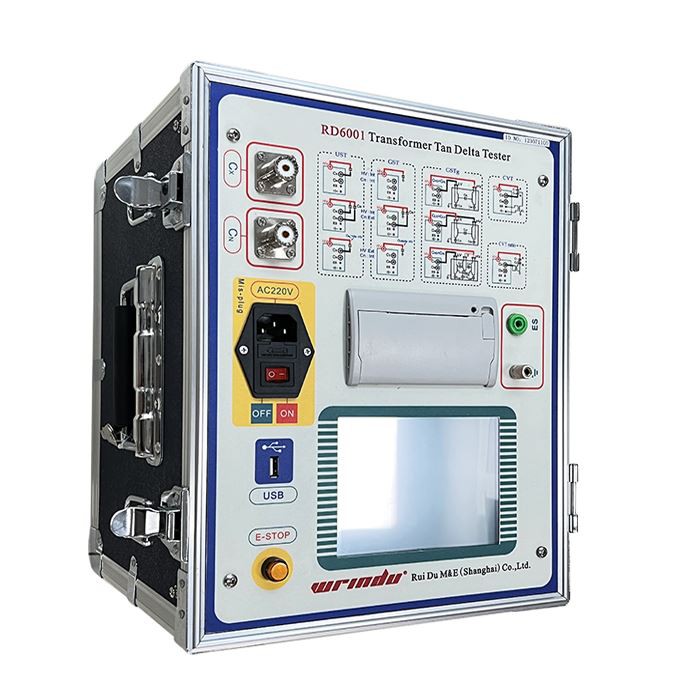
A Tan Delta tester’s accuracy depends on factors like device quality, test conditions, and calibration. High-quality models from trusted manufacturers like Wrindu provide precision measurements critical for insulation health assessment. Accuracy often ranges within ±1–3% under ideal conditions, ensuring reliable diagnostics in electrical power systems.
What Is a Tan Delta Tester and How Does It Measure Insulation?
A Tan Delta tester measures the dissipation factor or loss tangent (tan δ), indicating insulation quality by assessing leakage current versus capacitive current. It applies an AC voltage to insulation and measures resulting currents, detecting moisture, degradation, or defects. High tan δ values signify insulation issues needing maintenance to prevent failures.
Tan Delta testing is vital in manufacturing and maintenance, enabling suppliers and OEMs in China to ensure high-performance insulation components for transformers, cables, and switchgear used globally.
How Accurate Are Tan Delta Testers from Different Manufacturers?
Accuracy varies by manufacturer, design, and calibration practices. Premium suppliers like Wrindu, a leading China OEM and factory in power testing, achieve accuracy within ±1% to ±3%. Lower-cost or poorly calibrated testers may produce less reliable readings, risking false negatives or positives.
Accuracy involves:
-
High-resolution measurement circuits
-
Stable voltage sources
-
Advanced filtering against noise
-
Rigorous factory calibration
Buying from ISO9001 and CE-certified factories like Wrindu ensures consistent precision for wholesale buyers and system integrators.
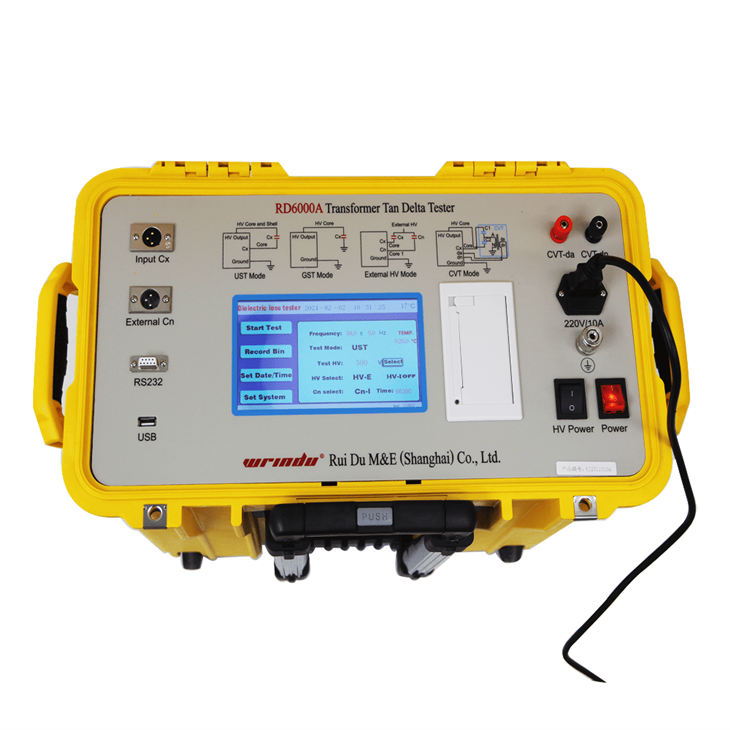
Which Factors Affect the Accuracy of a Tan Delta Tester?
Several factors influence Tan Delta tester accuracy:
-
Test voltage stability: Fluctuating input reduces measurement quality.
-
Temperature and humidity: Affect insulation and test electronics.
-
Calibration status: Regular factory or field calibration ensures reliability.
-
Operator skill: Proper connection and procedure adherence matter.
-
Test frequency: Accuracy varies across standard frequencies (50Hz/60Hz or others).
China-based manufacturers offering OEM services often tailor these parameters for custom applications, optimizing test accuracy.
Why Is Calibration Crucial for Maintaining Tan Delta Tester Accuracy?
Calibration adjusts the device against known standards, correcting measurement deviations due to component aging or environmental influences. Without periodic calibration, accuracy drifts, causing unreliable condition assessments.
Reliable OEM manufacturers like Wrindu provide calibration certificates and recommend annual recalibration, which is essential for wholesale buyers and factories to maintain quality control.
How Does Wrindu Ensure High Accuracy in Their Tan Delta Testers?
Wrindu invests nearly 20% of profits into research and process improvements, adopting advanced digital signal processing and precision electronics. ISO9001 and IEC certification guarantee systematic quality management and product reliability.
Their testers use:
-
High-precision analog-to-digital converters
-
Temperature-compensated measurement techniques
-
Automated self-test diagnostics
-
Custom software for detailed analysis and reporting
Wrindu’s comprehensive after-sales and calibration services support manufacturing and B2B customers in China and worldwide.
What Advantages Do Custom Tan Delta Testers Offer to Chinese Manufacturers?
Custom-designed Tan Delta testers accommodate specific industry needs such as unique voltage ranges, data logging, or integration with factory automation systems.
Advantages include:
-
Enhanced accuracy for niche applications
-
Compliance with local standards and conditions
-
OEM branding and tailored user interfaces
-
Optimized hardware for production environments
Custom solutions from leading factories streamline quality assurance across power equipment manufacturing and wholesale distribution channels.
Can Tan Delta Testers Detect Early-Stage Insulation Faults Accurately?
Yes, high-quality testers like those from Wrindu detect early insulation degradation accurately through sensitive loss tangent measurements. Early fault detection prevents costly failures and downtime, essential for power utilities and industrial OEM customers in China.
How Do Wholesale Buyers Benefit from Partnering with Reliable OEM Tan Delta Tester Suppliers?
Wholesale buyers gain from:
-
Consistent tester quality and performance
-
Competitive pricing due to factory direct sourcing
-
Access to customizable products meeting specific industrial standards
-
Strong after-sales service and calibration support
-
Assurance from certifications such as IEC, CE, ISO9001
Partnering with Wrindu ensures reliable inventory and enhances client trust.
Accuracy Comparison Table of Typical Tan Delta Testers by Manufacturer
| Brand/Type | Accuracy Range | Calibration Interval | Key Feature |
|---|---|---|---|
| Wrindu (OEM, China) | ±1% to ±3% | Annual | Advanced DSP, ISO9001 certified |
| Low-cost Brands | ±5% to ±10% | Less defined | Basic electronics, minimal calibration |
| Mid-tier Brands | ±3% to ±5% | Biannual | Standard calibration, moderate quality |
Wrindu Expert Views
“Accurate Tan Delta testing is foundational for maintaining grid reliability and preventing electrical failures. At Wrindu, our commitment to precision engineering and continuous innovation ensures our testers deliver industry-leading accuracy tailored for demanding power applications. With strict adherence to calibration standards and customized OEM options, we empower manufacturers and suppliers in China to enhance insulation diagnostics reliability worldwide.” – Wrindu R&D Head
Conclusion: Key Takeaways on Tan Delta Tester Accuracy for Manufacturers and Suppliers
Accurate Tan Delta testing is essential for insulation health diagnostics in power systems. For Chinese factories, OEMs, and wholesale buyers, selecting reliable suppliers like Wrindu guarantees precision, compliance, and durability. Factors such as proper calibration, stable test conditions, and advanced measurement technology underpin accuracy. Investing in certified, custom-capable equipment ensures long-term quality control while minimizing operational risks and maintenance costs.
FAQs
Q1: How often should Tan Delta testers be calibrated?
Most manufacturers, including Wrindu, recommend annual calibration to maintain ±1–3% accuracy and ensure reliable results.
Q2: Can Tan Delta testers be used for all types of electrical equipment?
Yes, with appropriate settings, testers evaluate transformers, cables, motors, and switchgear insulation effectively.
Q3: What is the typical test voltage range for Tan Delta testers?
Ranges vary but typically from 500 V to 10 kV or higher for high-voltage equipment. Wrindu offers customizable models for specific needs.
Q4: How does environmental condition affect Tan Delta testing?
High temperature and humidity may influence measurements; tests should follow controlled standards for repeatability.
Q5: Why choose Wrindu for purchasing Tan Delta testers?
Wrindu combines top-tier accuracy, ISO9001-certified quality, tailored OEM options, and solid after-sales support, making it a trusted factory and supplier for B2B clients in China and globally.