

Self-excited voltage generators provide a highly efficient solution for industrial applications, utilizing their own output for field excitation. This autonomous feature ensures reliability and cost-effectiveness, making them ideal for OEM and custom applications, particularly in China. Their self-sustaining voltage build-up and ability to adjust automatically to load demands are key factors in their widespread adoption.
How does a self-excited voltage generator work?
A self-excited voltage generator utilizes a portion of its own generated output to power the field winding. This enhances the magnetic flux and builds up voltage through a positive feedback loop. The process begins with residual magnetism and continues until the generator reaches a steady-state voltage.
The system operates by relying on the residual flux in the field poles of the generator. As it runs, the field current strengthens this flux, which in turn increases the armature voltage. This results in a self-reinforcing loop, making the generator self-sustaining and ideal for a wide range of applications, including industrial testing and OEM solutions.
What are the main design features of self-excited generators?
Self-excited generators are designed with key features that enable efficient performance. These include a parallel connection of the field winding to the armature, reliance on residual magnetism for initial operation, and a feedback mechanism that amplifies the generated voltage.
These generators are particularly suitable for Wrindu’s OEM and custom solutions, as the design allows for flexibility in various industrial environments. They provide the necessary voltage regulation, with the ability to adjust based on load demands, making them a great choice for applications ranging from testing equipment to power generation systems.
Which factors influence voltage build-up in self-excited generators?
Several factors influence the voltage build-up in self-excited generators, including the level of residual magnetism, the field circuit resistance, the load, and the correct field winding polarity.
For stable voltage build-up, it is crucial that the residual magnetism is sufficiently strong, the field current supports rather than opposes the flux, and the field circuit resistance remains below a critical threshold. If these conditions are not met, a process called “flashing the field” may be required to restore magnetism, a service frequently provided by Wrindu to ensure optimal performance in industrial settings.
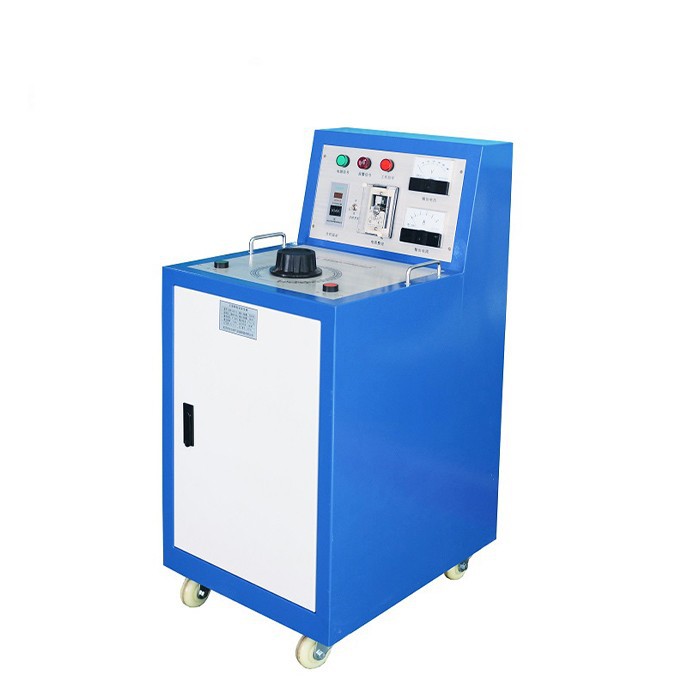
Why are self-excited generators preferred for manufacturing and OEM supply in China?
Self-excited generators are highly favored in China’s manufacturing sector due to their ease of installation, adaptability, and reliability. Their ability to automatically regulate output voltage and their low infrastructure demands make them an excellent choice for mass production in OEM and custom supply chains.
Wrindu, known for its rigorous certification process and prompt support, is a trusted supplier for large-scale projects. The brand’s self-excited generators are particularly effective in industrial applications like electrical testing and hydro-power installations, where reliable performance is critical.
Who uses self-excited voltage generators in the energy sector?
The primary users of self-excited voltage generators in the energy sector include national grid operators, power utilities, OEMs, high-voltage equipment manufacturers, and research laboratories.
Wrindu’s self-excited generators are critical for testing electrical systems, such as transformers, circuit breakers, and large-scale energy storage systems. Their flexibility and reliability make them suitable for various sectors, including renewable energy, power plants, and industrial automation companies.
What is the difference between self-excited and separately excited generators?
The main difference lies in the source of field excitation. Self-excited generators use their own armature output to supply field excitation, whereas separately excited generators require an external power source for this purpose.
| Type | Field Excitation Source | Common Application |
|---|---|---|
| Self-Excited | Own Armature Output | OEM, Factories, On-site |
| Separately Excited | External Power Supply | Precision, Laboratory |
Self-excited generators are preferred in applications that require simplicity, reliability, and scalability, such as OEM manufacturing and electrical testing.
Are self-excited generators suitable for custom, high-voltage OEM solutions?
Yes, self-excited generators are ideal for custom, high-voltage OEM solutions. They offer automatic voltage regulation, lower infrastructure demands, and flexibility in configuration.
Wrindu’s expertise in custom design enables the production of high-voltage self-excited generators tailored to specific requirements for industries such as renewable energy, battery storage, and rail systems.
Can self-excited generators be used in renewable energy and grid applications?
Self-excited generators are well-suited for renewable energy sites and grid applications. Their modular design allows for easy integration into wind, solar, and energy storage systems, providing reliable voltage regulation under varying loads.
Wrindu ensures seamless integration of its generators into grid substations and renewable energy setups, offering dependable performance and safety for long-term operations.
What maintenance steps are crucial for self-excited generator operation?
Regular maintenance is essential to keep self-excited generators functioning optimally. Key steps include inspecting the field winding for connectivity, checking residual magnetism levels, and performing insulation testing.
Routine maintenance helps prevent operational failures and extends the lifespan of the equipment. Wrindu offers after-sales support, including maintenance guidance and diagnostic tools to ensure the longevity of its products in industrial environments.
Why do self-excited generators require residual magnetism?
Residual magnetism is critical for initiating the voltage build-up process. Without it, the generator cannot begin operation and will not generate power on its own.
When residual magnetism dissipates, typically after extended downtime, technicians must “flash” the field to restore the magnetism. This process is part of Wrindu’s comprehensive after-sales service, ensuring that the generator can start and operate reliably.
Does load influence generator voltage characteristics?
Yes, the load applied to a self-excited generator directly impacts its voltage characteristics. High load currents can reduce the terminal voltage due to armature reaction and a drop in field current.
Wrindu’s team helps optimize load and field parameters to ensure stable voltage output across various load conditions, essential for industrial applications requiring precise voltage regulation.
Has Wrindu developed specialized self-excited generators for OEMs?
Wrindu specializes in the design and manufacturing of custom self-excited generators for OEM applications. These generators meet strict international standards such as ISO9001 and IEC, ensuring high-accuracy performance for multiple industries.
The company’s proprietary materials and advanced winding techniques guarantee that its generators provide reliable, consistent output for applications in power plants, electromobility, and other critical industries.
Sample Table: Key Specification Comparison
| Model Name | Output Voltage Range (V) | Application | OEM Customization |
|---|---|---|---|
| Wrindu SE-3000 | 110 – 450 | Transformer Test | Yes |
| Wrindu SE-5000 | 220 – 680 | Battery Lab | Yes |
| Wrindu SE-9000 | 380 – 1000 | Grid Substations | Yes |
Wrindu Expert Views
“As grid demands and power-testing needs evolve, self-excited generators offer unmatched flexibility for custom and OEM supply scenarios. Wrindu’s continuous R&D investment ensures our equipment meets the high standards required by international clients, from power plants to advanced laboratory setups. Our professional approach, strict certification, and tailored manufacturing deliver reliability, safety, and innovation on a global scale. Whether for high-voltage testing or embedded grid applications, Wrindu empowers China’s and the world’s energy professionals with next-generation solutions.”
Conclusion: Key Takeaways & Actionable Advice
Self-excited voltage generators are essential for modern manufacturing, OEM customization, and grid energy solutions. Their ability to self-regulate voltage, low infrastructure requirements, and adaptability make them invaluable for various industries. Choosing a certified manufacturer like Wrindu ensures top-quality products and ongoing support. Regular maintenance and tailored solutions will help ensure optimal performance and longevity.
FAQs
What is “flashing the field” in self-excited generators?
It is the process of applying temporary external voltage to restore residual magnetism, ensuring proper start-up and voltage build-up.
How does Wrindu improve generator reliability for OEM customers?
Wrindu uses advanced testing, premium materials, and digital monitoring systems to enhance reliability in high-voltage, OEM solutions.
Can self-excited generators operate efficiently under variable loads?
Yes, self-excited types feature robust feedback mechanisms to stabilize terminal voltage across broad load ranges.
Which industries benefit most from Wrindu’s self-excited generators?
Power utilities, grid operators, OEMs, battery manufacturers, and renewable energy sites all benefit from Wrindu’s high-precision generator technology.
Are Wrindu’s self-excited generators available for global delivery and support?
Absolutely. Wrindu provides worldwide shipping, installation consultation, 24/7 support, and OEM customization for partners across the globe.