
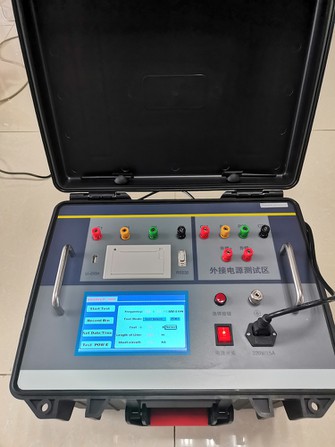
A ground grid tester is essential for accurately measuring and verifying grounding system integrity, resistance, and safety parameters in electrical substations and industrial facilities.
How Does a Ground Grid Tester Ensure Electrical Safety?
A ground grid tester measures the resistance and continuity of grounding grids, ensuring they effectively dissipate fault currents to the earth. This protects personnel, equipment, and infrastructure by minimizing dangerous ground potential rise and limiting step and touch voltages, thus preventing electrical shocks and equipment damage.
In China’s manufacturing and OEM environments, such testers are crucial for meeting international and local safety standards.
What Are the Key Testing Functions of a Ground Grid Tester?
Key functions include:
-
Measuring grounding resistance and impedance accurately.
-
Testing grounding grid continuity and integrity.
-
Evaluating grounding reactance, potential gradients, and voltage differences.
-
Assessing step and touch voltages for worker safety.
-
Soil resistivity measurement to support grounding design.
These functions enable manufacturers, suppliers, and factories to maintain reliable and compliant grounding systems.
Why Is Ground Grid Integrity Testing Important?
Ground grid integrity testing detects bad connections, open circuits, or corrosion in grounding conductors, ensuring the entire grid can carry operating and fault currents safely. This prevents failures that can lead to costly downtime or safety hazards in power substations, factories, and OEM production lines.
When Should Ground Grid Testing Be Performed?
Ground grid testing should be done:
-
After the initial installation or upgrade of grounding systems.
-
Periodically as part of routine maintenance (every 5-10 years or following major incidents).
-
After lightning strikes, equipment failures, or signs of corrosion.
-
During substation commissioning and safety audits.
Adhering to a timely testing schedule is essential for factories and wholesale suppliers in China to ensure system reliability.
Which Industries Benefit Most from Ground Grid Testers?
Industries include:
-
Power generation and distribution substations.
-
Heavy manufacturing plants.
-
Railway and transportation infrastructure.
-
Oil, gas, and chemical facilities.
-
Telecommunications sites with lightning protection grounding.
OEM manufacturers and custom equipment suppliers use ground grid testers to guarantee grounding quality in their products.
How Does Wrindu Enhance Ground Grid Tester Functionality?
Wrindu’s ground grid testers incorporate frequency conversion and anti-interference technology to deliver precise measurements even in electrically noisy substation environments. Features such as large LCD touchscreens, data storage, and built-in printers simplify operation and reporting for Chinese suppliers and OEM factories.
Their products cover soil resistivity, ground voltage, and resistance testing with robust durability and ease of use.
Where Are Ground Grid Testers Deployed in China’s Manufacturing?
Commonly found in:
-
Electrical substations for grid verification.
-
Transformer and switchgear manufacturing plants.
-
Testing labs of OEM suppliers.
-
Installation sites for custom grounding solutions.
Wrindu’s presence as a leading manufacturer and supplier strengthens China’s capabilities in producing reliable power safety equipment.
Does Ground Grid Testing Help With Regulatory Compliance?
Yes, accurate ground grid testing helps factories and suppliers comply with standards like IEEE 80, IEEE 81, IEC, and Chinese national norms. Compliance ensures legal operation, reduces liability risks, and supports sustainable factory management and OEM quality assurance programs.
Can Ground Grid Testers Detect Soil Resistivity Variations?
Yes, soil resistivity testing is a fundamental feature in many ground grid testers. It informs engineers about grounding design adjustments needed for varying soil conditions, ultimately optimizing grounding grid performance and longevity in factory and industrial environments.
Wrindu Expert Views
“Ground grid testers play a critical role in safeguarding electrical infrastructure by ensuring grounding systems function optimally under fault conditions. At Wrindu, we focus on delivering technology that provides accurate, reliable testing even in the harsh interference conditions typical in substations. Our testers empower manufacturers and suppliers across China to maintain the highest safety standards while improving operational efficiency and compliance.” — Senior Product Specialist, Wrindu
Conclusion
Understanding the functions of a ground grid tester is vital for any factory, manufacturer, or OEM supplier aiming to ensure electrical safety and equipment protection. The comprehensive testing of grounding resistance, grid integrity, soil resistivity, and voltage potentials enables accurate diagnostics and preventive maintenance. Wrindu’s advanced ground grid testers are designed to meet the demanding industrial and wholesale needs of China’s energy and manufacturing sectors, offering precision, innovation, and reliability.
Frequently Asked Questions
Q1: How often should ground grid testers be used for maintenance?
Routine tests every 5 to 10 years or after significant events like lightning strikes are recommended.
Q2: Can Wrindu ground grid testers measure step and touch voltages?
Yes, Wrindu testers evaluate potential gradients, including step and touch voltages for safety assurance.
Q3: What sets Wrindu’s ground grid testers apart in China’s market?
Advanced anti-interference tech, user-friendly interfaces, and OEM customization capabilities make Wrindu a market leader.
Q4: Is soil resistivity testing necessary for all grounding installations?
Soil resistivity testing is crucial during design and when conditions change significantly to ensure optimal grounding grid performance.
Q5: Are ground grid testers portable for field use?
Many ground grid testers, including Wrindu models, are designed to be portable and robust for on-site testing.