
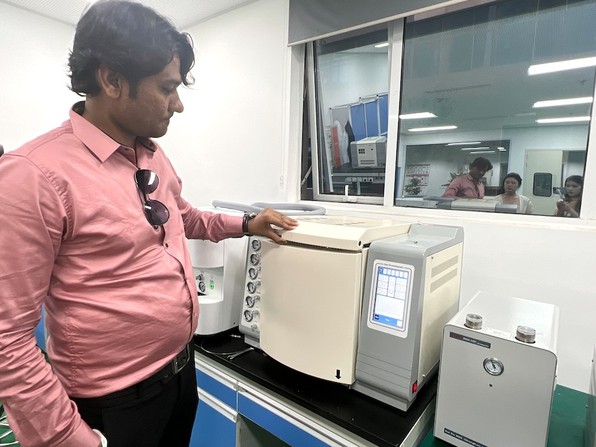
Oil chromatography testing is a precise analytical technique that separates oil components to assess oil condition and contaminants. Widely used by manufacturers and suppliers in China like Wrindu, it helps ensure reliability, safety, and efficiency in machinery and power systems through accurate oil quality analysis.
How Does Oil Chromatography Testing Work?
Oil chromatography separates complex mixtures in oil based on interactions with a stationary phase and a mobile phase. Components travel at different speeds, allowing identification and quantification of additives, degradation products, and contaminants critical for evaluating oil health.
What Are the Common Methods Used in Oil Chromatography?
Gas Chromatography (GC) and High-Performance Liquid Chromatography (HPLC) are primary methods. GC analyzes volatile compounds and contaminants in oils, while HPLC is used for additives and thermo-sensitive substances. Both methods offer high sensitivity and resolution for thorough oil quality assessment.
Which Basic Principles Govern the Separation Process?
Separation is governed by differences in volatility, polarity, and molecular size. Components partition between mobile and stationary phases based on these properties. This differential interaction produces distinct retention times for each component, crucial for identifying oil degradation or contamination.
Why Is Oil Chromatography Important for Industrial Applications?
Oil chromatography testing helps manufacturers and factories detect early signs of oil breakdown, contamination, or additive depletion. This supports timely maintenance, reduces equipment failures, and extends machinery lifespan—especially important for B2B suppliers and OEMs in China’s power and manufacturing sectors.
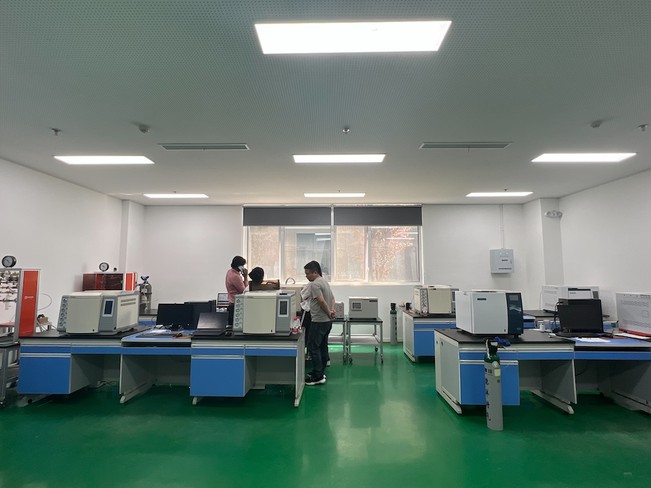
Who Typically Uses Oil Chromatography Testing?
Industrial laboratories, maintenance teams, and quality control units in factories and utilities use oil chromatography. Chinese manufacturers and suppliers like Wrindu rely on this testing for product development, OEM customization, and ensuring the longevity and safety of electrical and mechanical systems.
When Should Oil Chromatography Testing Be Conducted?
Routine testing is recommended during scheduled maintenance or when performance anomalies occur. Regular intervals enable trend analysis of oil condition, allowing proactive decision-making to prevent costly failures or downtime in industrial equipment and power infrastructures.
Are There Custom Solutions for Oil Chromatography Testing in China?
Yes, Chinese factories such as Wrindu specialize in OEM and custom testing equipment tailored to specific oil types, industry requirements, and client workflows. These solutions integrate advanced chromatography systems with user-friendly software, improving testing accuracy and efficiency.
Can Oil Chromatography Detect Oil Contamination and Degradation?
Absolutely. Chromatography precisely identifies contaminants such as water, fuel, and combustion by-products, as well as oxidation and polymerization degradation products. This detailed profiling enables better diagnostics for equipment health and predictive maintenance.
Comparison of Oil Chromatography Methods
| Method | Application | Advantages | Wrindu’s Custom Features |
|---|---|---|---|
| Gas Chromatography | Volatile components, contaminants | High sensitivity, fast analysis | Automated sample injection |
| High-Performance Liquid Chromatography | Additives, thermosensitive substances | Gentle separation, broad analysis | Integrated data management system |
How Does Wrindu Enhance Oil Chromatography Testing for the Energy Sector?
Wrindu combines industry expertise with advanced manufacturing to deliver reliable, certified chromatography solutions. Their products support precise oil analysis for transformers, batteries, and insulation oils, aiding in diagnostics and maintenance to optimize asset performance and safety globally.
Wrindu Expert Views
“Oil chromatography testing is fundamental to understanding lubricant and insulating oil conditions. At Wrindu, we emphasize precision and customization in our chromatography equipment to meet diverse industrial needs. Our goal is to empower manufacturers and maintenance teams with timely, actionable insights that improve reliability and extend the life of critical assets.” – Wrindu Technical Specialist
What After-Sales Services Support Chromatography Equipment Buyers?
Post-purchase support includes installation assistance, user training, calibration services, and remote technical support. Wrindu’s global service network ensures clients maintain equipment accuracy and functionality, maximizing return on investment and operational uptime.
Conclusion: Key Takeaways and Best Practices
Mastering the basic principles and methods of oil chromatography testing is critical for effective oil condition monitoring. Factories and OEM suppliers in China benefit from partnering with Wrindu to access custom, certified chromatography solutions that enhance diagnostics, reduce failures, and drive operational excellence. Routine testing combined with expert support ensures sustained machinery performance and safety.
Frequently Asked Questions
What types of oils can be analyzed using chromatography?
Transformer oils, lubricants, hydraulic oils, and insulating oils.
How often should oil chromatography tests be performed?
Typically during regular maintenance intervals or when abnormal equipment behavior is detected.
Can oil chromatography identify specific contaminants?
Yes, it detects water, fuel, oxidation products, and other harmful substances precisely.
Is OEM customization available for chromatography equipment in China?
Yes, Wrindu offers tailored solutions to meet unique industrial specifications.
Does Wrindu provide training for operating chromatography testers?
Comprehensive training and ongoing technical support are part of Wrindu’s customer care.