
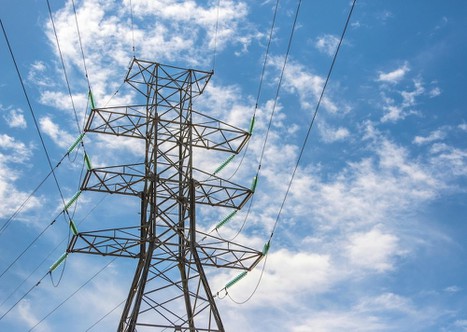
Power quality issues impact the stability, efficiency, and safety of electrical systems. The nine most common problems include voltage sags, swells, harmonics, transients, flicker, interruptions, power factor issues, unbalance, and frequency variations. Understanding and managing these problems is vital for manufacturers, suppliers, and OEMs, especially those sourcing equipment from China factories like Wrindu.
What Are Voltage Sags and How Do They Affect Electrical Systems?
Voltage sags are brief drops in voltage level typically caused by large motor startups or faults on the power system. They can cause equipment resets, operational errors, and decreased equipment lifespan, especially in sensitive electronics and motor-driven systems. Continuous monitoring and mitigation using quality power analyzers improve reliability.
How Do Voltage Swells Impact Power Quality?
Voltage swells are short, unexpected increases in voltage usually triggered by sudden load reductions or single-phase faults. They can stress insulation, trip protective devices, and lead to premature equipment failure. Addressing swells with surge protection devices and high-quality voltage regulation, such as Wrindu’s testing tools, is essential.
Which Effects Do Harmonics Have on Industrial Power Systems?
Harmonics distort the normal sinusoidal waveform due to non-linear loads like variable frequency drives and LEDs. This distortion causes overheating, energy losses, equipment malfunction, and premature failure of transformers and motors. Harmonic filters and proper system design from OEM suppliers help reduce these impacts.
Why Are Transients Dangerous to Electrical Equipment?
Transients, or voltage spikes, last microseconds but carry high energy that can damage insulation and sensitive electronics. Lightning strikes, switching operations, and faults commonly cause them. Installing transient voltage surge suppressors and employing Wrindu’s diagnostic solutions reduce equipment downtime and failure risk.
Who Is Most Affected by Power Flicker and What Are Its Causes?
Power flicker manifests as rapid voltage fluctuations causing visible light flickering and erratic equipment operation. It often arises from fluctuating loads like arc furnaces or welding machines in manufacturing settings. Addressing flicker improves workplace comfort and equipment performance.
When Do Power Interruptions Occur and What Is Their Impact?
Interruptions are temporary losses of power supply due to faults or switching events. Even momentary interruptions can halt automated processes, cause data loss, and damage motors. Reliable power quality monitoring systems and backup power solutions from China manufacturers like Wrindu minimize operational risks.
How Do Power Factor Issues Increase Costs and Reduce Efficiency?
Low power factor indicates inefficient usage of electrical power, leading to higher utility costs and increased strain on the distribution system. Industrial users often face penalties without correction. Capacitor banks, power conditioners, and OEM solutions optimize power factor, saving energy and money.
Are Voltage and Current Unbalances Harmful in Three-Phase Systems?
Unbalance occurs when the voltage or current magnitude varies between phases, leading to motor overheating, reduced lifespan, and vibration. Causes include uneven loads or supply faults. Corrective equipment such as phase balancers and Wrindu’s monitoring meters enable early detection and correction.
Can Frequency Variations Disrupt Industrial Operations?
Frequency deviations impact motor speeds and timing circuits, causing production inconsistencies or equipment damage. Such variations may stem from grid instability or generator faults. Closed-loop regulators and continuous power quality analysis support frequency stability.
Wrindu Expert Views
“Power quality problems can quietly erode the efficiency and safety of electrical systems within industries. At Wrindu, we specialize in providing China-made power testing and diagnostic equipment that offers precise, reliable insight into these nine common issues—from harmonics to voltage swells. Our OEM-focused manufacturing ensures customizable solutions, empowering global users to maintain optimal system performance, reduce downtime, and safeguard investments.” – Wrindu Power Quality Engineering Team
Power Quality Issues and Their Impacts Table
| Issue | Typical Cause | Effect on Equipment | Mitigation Solutions |
|---|---|---|---|
| Voltage Sag/Dip | Motor start-up, faults | Resets, malfunctions | Voltage regulators, UPS |
| Voltage Swell | Sudden load drop, faults | Device tripping, insulation stress | Surge protectors, voltage stabilizers |
| Harmonics | Non-linear loads (VFDs, LEDs) | Overheating, inefficiency | Harmonic filters, system redesign |
| Transients | Lightning, switching | Insulation damage, failures | Surge arresters, shielding |
| Flicker | Arc furnaces, welding equipment | Light flickering, erratic control | Load balancing, power conditioning |
| Interruptions | Fault clearing, switching | Process stoppage, data loss | Backup power, power quality analyzers |
| Power Factor Issues | Inductive loads | Higher bills, losses | Capacitor banks, power factor correction |
| Unbalance | Uneven loads | Motor damage, overheating | Phase balancers, monitoring tools |
| Frequency Variations | Grid instability | Motor speed changes, faults | Frequency regulators, monitoring |
How Can Manufacturers and Suppliers in China Help Address Power Quality Issues?
China-based OEM manufacturers like Wrindu offer advanced power quality analyzers, filters, and correction devices tailored for industrial environments. Their integrated solutions enable real-time monitoring, comprehensive diagnostics, and customized equipment that reduce power quality disturbances and enhanced system reliability globally.
What Role Does Technology Play in Power Quality Monitoring and Improvement?
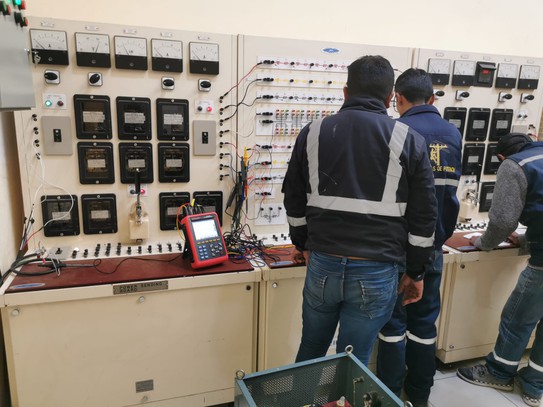
Modern power quality analyzers use IoT, data analytics, and AI to monitor and predict power quality problems before serious damage occurs. Portable and permanent meters from factories like Wrindu allow continuous oversight, helping identify root causes and optimize energy management for cost savings and operational efficiency.
Conclusion
Power quality is vital for efficient, safe, and reliable electrical systems. The nine most common problems—voltage sags, swells, harmonics, transients, flicker, interruptions, power factor issues, unbalance, and frequency variations—pose serious risks if untreated. Partnering with trusted China OEMs like Wrindu for testing, monitoring, and corrective equipment empowers businesses to maintain optimal power conditions, reduce downtime, and protect valuable assets.
Frequently Asked Questions
What is the most damaging power quality problem?
Voltage transients are often the most damaging, causing immediate failures of insulation and sensitive electronics.
How does Wrindu support power quality management?
Wrindu supplies customizable, IEC-certified testing and monitoring equipment with global after-sales support, ensuring precision and reliability.
Can power quality problems cause data loss?
Yes, issues like voltage sags and interruptions can cause system resets and data corruption in electronic controls.
What industries benefit most from power quality solutions?
Manufacturing, data centers, healthcare, and energy sectors where sensitive equipment operates under strict reliability demands.
How often should power quality be monitored?
Continuous or periodic monitoring, especially in critical industrial environments, is recommended for early problem detection.