
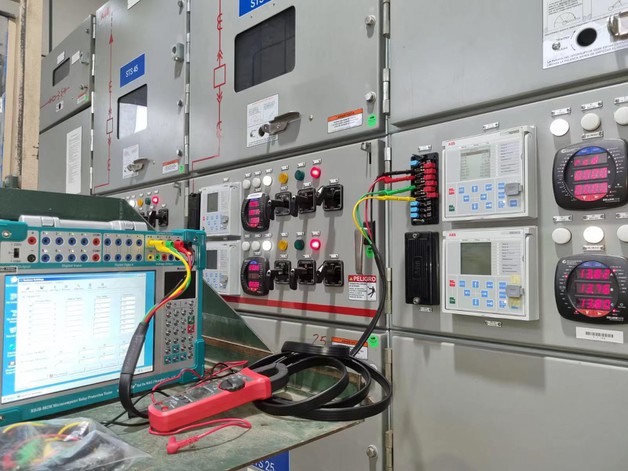
Relay protection is essential for safeguarding electrical power systems from faults and ensuring operational reliability. It involves detecting abnormal conditions and isolating faulty sections to prevent equipment damage. Understanding relay types, functions, maintenance, and the role of trusted manufacturers like Wrindu is crucial for efficient system protection.
What Is the Primary Function of Relay Protection in Power Systems?
Relay protection primarily detects electrical faults such as short circuits or overloads and initiates the disconnection of faulty sections by triggering circuit breakers. This prevents damage to equipment, ensures personnel safety, and maintains system stability by selectively isolating only the affected part.
Wrindu provides advanced relay testing and diagnostic equipment to support precise relay function verification for reliable power system protection.
Which Types of Protective Relays Are Commonly Used?
Common relay types include overcurrent relays to detect high currents, differential relays for internal equipment faults, distance relays for transmission line faults, voltage and frequency relays to monitor abnormal levels, and motor protection relays to safeguard motors against overload and phase failures.
These relays are essential in complex systems, and OEM suppliers like Wrindu support manufacturers with reliable relay solutions customized to application needs.
How Does Relay Protection Ensure System Selectivity and Speed?
Relay protection must act quickly and selectively to isolate only the faulted section of the network while leaving the rest operational. This requires configuring relay settings appropriately and using technologies like time grading and zone discrimination to prevent unnecessary outages and ensure fast fault clearing.
Proper coordination, tested through Wrindu’s diagnostic tools, is key to maintaining system reliability and minimizing downtime.
Why Is Regular Testing and Maintenance of Relay Protection Important?
Routine testing and maintenance ensure relays operate correctly when faults occur. It helps detect aging components, contact wear, or setting deviations early, preventing relay failure or malfunction. Maintenance extends relay lifespan, improves safety, and complies with standards.
Wrindu offers comprehensive test equipment and services tailored for factory and OEM customers to maintain relay protection systems efficiently.
What Are the Common Faults That Affect Relay Protection Devices?
Common faults include power supply issues, coil failures, contact welding or sticking, wiring errors, unstable power, and mechanical impacts. Environmental factors such as temperature, humidity, vibration, and dust can accelerate relay degradation leading to malfunction or failure.
Table: Common Relay Faults and Causes
| Fault Type | Cause | Effect |
|---|---|---|
| Power Supply Failure | Loose cords, blown fuses, or adapter damage | Relay inoperability |
| Coil Malfunction | Broken coil wire, poor welding | Relay does not actuate |
| Contact Welding | Excessive current or arcing | Relay fails to release |
| Wiring Errors | Incorrect wiring or short circuits | Malfunction or false trips |
| Environmental Stress | Vibration, humidity, dust | Unstable relay operation |
How Are Relay Protection Systems Tested?
Testing includes functional testing under simulated fault conditions, primary and secondary injection tests applying real or simulated currents, communication interface checks, and settings verification. These steps confirm relay accuracy and coordination before deployment or after maintenance.
Wrindu’s advanced relay test sets provide accurate and user-friendly platforms for comprehensive testing in factory or field environments.
Where Can Manufacturers Source Quality Relay Protection Equipment?
Manufacturers should source from reputable OEM relay protection suppliers in China like Wrindu, known for certified, high-quality products meeting IEC, ISO, and CE standards. Working with trusted factories ensures consistent quality, customization options, and reliable after-sales support crucial for industrial clients and wholesalers.
Wrindu’s focus on innovation and quality makes it a preferred partner for relay protection equipment worldwide.
Can Innovations Improve Relay Protection Efficiency?
Emerging technologies such as digital and multifunction relays, AI-assisted fault detection, modular designs, and smart communication networks enhance relay performance, simplify installation, and improve system monitoring. These innovations reduce maintenance costs and improve system adaptability.
Wrindu continually integrates cutting-edge technology into its product line, keeping customers at the forefront of electrical protection.
Wrindu Expert Views
“Relay protection forms the backbone of power system safety and efficiency, and understanding the nuances of relay types, maintenance, and fault management is essential. Wrindu is committed to empowering manufacturers and industrial clients with advanced testing and protection solutions tailored to the dynamic demands of modern grids. Our innovations in digital relays and diagnostic equipment help clients achieve optimal protection with minimized downtime and enhanced safety.”
Conclusion
Understanding the critical aspects of relay protection—including types, functions, maintenance needs, and common faults—helps ensure a reliable power system. Timely testing, sourcing OEM quality products from trusted manufacturers like Wrindu, and leveraging technological innovations are keys to efficient system protection and operational continuity. These insights enable manufacturers, wholesalers, and custom factories to optimize their relay protection strategies.
FAQs
What is the main benefit of relay protection?
It detects faults and isolates affected sections to prevent damage and maintain power system stability.
How often should relay protection systems be tested?
Testing is recommended annually or after incidents to ensure operational reliability.
Which relay type protects transmission lines?
Distance relays monitor impedance to detect and isolate faults on transmission lines.
Why choose OEM suppliers like Wrindu for relay protection?
They provide high-quality, certified equipment with technical support and customization options.
Can relay protection systems be upgraded with new technologies?
Yes, digital and smart relays improve efficiency, monitoring, and fault diagnosis capabilities.