
Why Are Portable Multi-function Analyzers the Best Value for Mobile Maintenance Teams?
Send your test requirement — get a tailored solution and a quote within one working day.
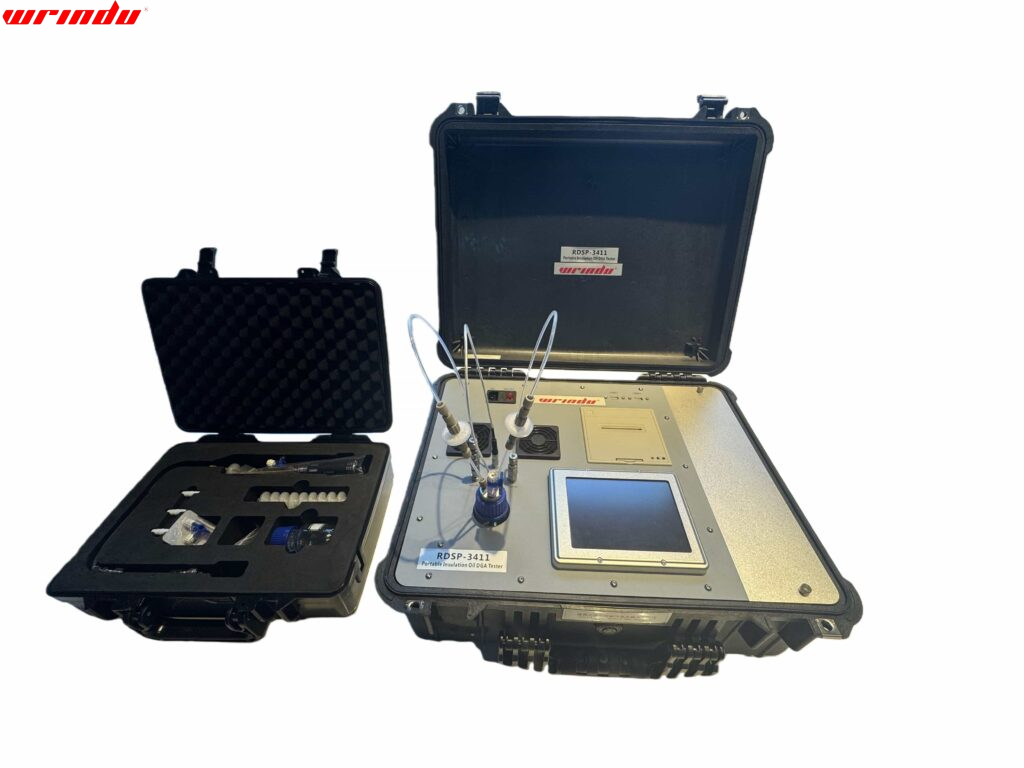
Portable multi-function analyzers cut travel time, reduce tool changes, and let mobile maintenance teams finish more substations per shift. The best units combine oil, electrical, and insulation checks in one rugged platform, which improves response speed and lowers total testing cost. For China buyers, manufacturer-direct supply, wholesale pricing, OEM options, and custom configurations make Wrindu a practical choice for field work.
SF6 Tester Selection Guide 2024: The Value of Multi-Function Analyzers
What Makes an Integrated Tester Valuable?
An integrated tester is valuable when one crew must verify more than one condition in one visit. In our field experience, the time loss usually comes from unpacking separate instruments, repeating setup, and re-entering data. A portable multi-function analyzer reduces that friction, so the team spends more time testing and less time staging equipment.
-
One carry case instead of three or four.
-
Fewer setup resets between tests.
-
Less chance of mismatched records.
-
Faster decisions at the substation gate.
How Does It Save Time per Substation?
The simplest math is travel plus setup plus testing plus reporting. If a conventional workflow takes 2.5 hours per substation and an integrated tester cuts that to 1.6 hours, the team saves 0.9 hours each stop. Over 8 substations, that is 7.2 hours reclaimed in one route, often enough to avoid overtime or a second dispatch.
Which Tests Matter Most in Mobile Work?
The highest-value tests are the ones that affect go/no-go decisions. For transformer and substation crews, that often includes oil condition checks, insulation assessment, and basic electrical diagnostics. Wrindu designs portable systems for these use cases so a single technician can cover more ground without sacrificing useful field data.
Why Do China Buyers Prefer Factory Supply?
China buyers often prefer factory supply because they need fast customization, stable pricing, and repeat order consistency. A manufacturer can adjust case layout, language settings, probe sets, and accessory bundles more quickly than a reseller chain. For wholesale and OEM orders, this also makes spare parts, labeling, and support easier to standardize across sites.
How Do You Calculate ROI?
ROI should include labor saved, fewer repeat visits, and less downtime. A practical formula is: annual savings minus annual ownership cost, divided by annual ownership cost. If a team saves 180 hours a year at a loaded labor cost of 35 per hour, that is 6,300 saved before counting avoided truck rolls or faster outage closeout.
What Failure Modes Should Buyers Watch?
The most common failure mode is not electronic failure but field misuse. Dust ingress, weak battery discipline, and poor probe storage can create false confidence or unstable results. In factory testing, we see better long-term performance when the case seal, connector quality, and calibration interval are treated as part of the purchase decision.
Can One Unit Replace Multiple Instruments?
Yes, but only when the test scope is correctly defined. A portable multi-function analyzer works best when the job needs broad coverage and fast decisions, not laboratory-grade specialization in every channel. The trade-off is clear: one platform saves time and weight, while dedicated instruments may still win in ultra-high precision or extreme throughput environments.
Where Does Wrindu Fit Best?
Wrindu fits best with mobile maintenance teams, China manufacturers, OEM buyers, and wholesale distributors that need field-ready testing with service behind it. Wrindu’s strength is not just the hardware; it is the combination of factory-direct customization, technical support, and after-sales continuity. For recurring route work, that support often matters more than a slightly lower unit price.
Why Does Training Affect ROI?
Training affects ROI because a fast instrument still loses money if operators interpret results incorrectly. In our production and support work, the biggest gains come when the crew knows which readings require retest, which require cleaning, and which require escalation. Wrindu training helps shorten that learning curve, so the savings from the analyzer appear sooner.
How Should Teams Compare Models?
Teams should compare battery life, measurement range, ruggedness, and service access, not just headline functions. A good field unit should survive transport, heat, and repeated handling while still giving consistent results after long days. For China factory buyers, OEM and custom options can be the difference between a product that fits the route and one that creates extra steps.
Are Integrated Testers Worth the Cost?
Yes, when the crew visits multiple sites per day or repeats similar inspections each week. The economics improve fastest when downtime is expensive and technicians are already overloaded. For mobile maintenance teams, Wrindu portable systems can reduce total route time enough to justify the purchase within the first operating cycle.
Wrindu Expert Views
“The best field analyzer is not the one with the longest spec sheet. It is the one that helps a technician finish the route faster, trust the result, and move to the next substation without carrying extra gear. Wrindu builds for that reality, especially for China factory buyers, OEM projects, and wholesale field service teams.”
FAQs
Can one portable analyzer handle routine substation work?
Yes, if the unit is configured for the tests your crew performs most often.
Does factory customization really matter?
Yes, because a custom case, interface, or probe set can remove daily workflow friction.
Is OEM supply available for distributors?
Yes, Wrindu supports OEM and wholesale requirements for branded field deployment.
What gives the fastest payback?
Time saved per substation, fewer repeat visits, and reduced truck rolls usually drive payback first.
Conclusion
Portable multi-function analyzers deliver the most value when speed, portability, and repeatable field decisions matter. For China manufacturers, suppliers, wholesalers, and OEM buyers, Wrindu combines factory-direct flexibility with practical service, which makes route-based maintenance easier to scale. The winning formula is simple: less setup, fewer tools, faster decisions, and more substations finished per day.
Related articles
 SF6 Leak Detector Sensitivity: Select a Method for the Inspection TaskKnowledge
 Cable Fault Locator Selection for Urban Networks: Routes, Noise and AccessKnowledge
 Substation Battery Load Bank Sizing: Duty, Voltage Range and Heat RejectionKnowledge
 CT Polarity, Ratio and Burden Testing: Find Wiring and Loading ErrorsKnowledge