
Utility Procurement of Test Equipment: Specification, Tender and Award
Send your test requirement — get a tailored solution and a quote within one working day.

A utility does not buy test equipment the way an industrial plant does. The purchase runs through a governed process with qualification stages before the specification is even issued, and a supplier who is technically the best fit can be excluded before anyone reads the technical offer. Utility test equipment procurement rewards preparation more than it rewards a good datasheet.
The process varies between utilities, but the shape is consistent: qualify, specify, invite, evaluate, award, and then perform against a contract that includes service and calibration obligations as well as delivery.
How utilities differ in procurement route
The route depends on the utility’s governance, its size and its funding. A large national utility typically runs an annual or multi-year framework with an approved supplier list. A regional distributor may invite bids per requirement. A project-funded utility procuring under a development finance institution’s rules follows that institution’s procurement framework rather than its own.
The practical difference for a supplier is where the effort goes. On a framework, most of the work is in qualification and in holding the arrangement. On a project tender, most of the work is in the technical offer and in demonstrating compliance with the specification. On a finance-institution-funded project, the work includes demonstrating compliance with the funding body’s eligibility and procurement rules.
Identifying the route before preparing the offer is what determines which of those efforts is worth making. A supplier who prepares a detailed technical offer for a framework that is still in its qualification stage has worked on the wrong document.
Specification-driven versus performance-driven tenders
A specification-driven tender defines the equipment in detail and invites prices against that definition. The evaluation reduces to compliance and price, and the supplier’s opportunity is to identify where the specification can be met more efficiently without departing from it.
A performance-driven tender defines the outcome: the asset classes to be tested, the standards to be applied and sometimes the acceptance criteria. It invites suppliers to propose how the outcome is achieved, and the evaluation has to assess equivalence between different proposals.
For a supplier, the second offers more room to propose a configuration that suits the utility better, and it also requires more work in the offer, because the equivalence argument has to be made. For a utility, the second produces better value and requires more evaluation capability.
Framework agreements and multi-year supply
A framework converts a series of purchases into a multi-year arrangement with agreed terms, agreed pricing and usually agreed service obligations. The utility gains availability without repeating the tender; the supplier gains a predictable volume and a commitment to hold capacity or stock.
The qualification bar is typically higher than for a single purchase, because the utility is committing to a relationship rather than to a delivery. Financial standing, service capability, calibration arrangements and the ability to support several sites over several years all enter the assessment.
The supplier’s response should address the obligations rather than only the products. A framework offer that describes instruments but not the calibration and spares arrangement across the territory has answered half the question. Service arrangements of that kind are described under testing services and OEM/ODM solutions, and the distribution arrangements that support a territory are described under become a partner.
Local content and registration requirements
Many utilities require local registration, a local agent or a minimum local content. The requirement is usually stated in the qualification documents and is a condition of bidding rather than a scoring item, which means a supplier that does not meet it cannot bid at all.
The practical responses are a registered local entity, an authorised distributor, or a partnership with a local company that holds the registration. Each has consequences for who contracts, who invoices and who carries the service obligation, and those consequences should be settled before the bid rather than after the award.
Local content requirements sometimes extend to service and calibration, not only to supply. Where that is the case, the supplier’s arrangement for local calibration becomes part of the qualification rather than a differentiator.
Qualification stages before a bid is invited
Qualification is where the supplier file is assessed: company standing, certificates, references, service capability and compliance with any registration requirement. It is usually a pass or fail assessment, and the outcome determines whether the supplier appears on the list from which bids are invited.
The file is reusable. A supplier who maintains a current qualification pack can respond to an invitation in days rather than weeks, which matters when invitations carry short response periods.
The file should be maintained rather than assembled per opportunity. Certificates expire, references age and financial information goes stale, and a pack that has not been reviewed for two years tends to be discovered as incomplete at the worst moment.
Documentation utilities expect
| Document | What it supports | Where it is assessed |
|---|---|---|
| Company registration and profile | Legal standing and scope of business | Qualification |
| Financial statements | Capacity to perform a multi-year arrangement | Qualification |
| Management system certificates | Quality, environmental and safety processes | Qualification |
| Product certificates for the offered lines | Conformity of the specific products | Technical evaluation |
| Sample calibration certificates | Traceability of the delivered instruments | Technical evaluation |
| Reference project records | Demonstrated delivery in comparable applications | Technical evaluation |
| Local service and calibration statement | Supportability over the equipment life | Qualification and commercial evaluation |
The product certificates deserve specific care. A certificate covers the product line and site it names, so a general conformity statement does not substitute for certification of the offered products. The certification scope of the range is shown on the certifications page, and the products it covers are listed under all electrical testing equipment.
Common disqualification reasons
Missing qualification documents are the commonest cause, followed by certificates that do not cover the offered product line and references that cannot be verified when the utility checks them.
Local registration and content requirements are the third group. A supplier who assumes the requirement can be addressed after award discovers that it is a condition of bidding, and the opportunity closes.
The fourth group is procedural: a bid submitted in a format the tender did not require, a validity period shorter than required, or a deviation stated in a way that makes the offer non-responsive rather than alternative. Each of these is preventable by reading the instructions to bidders as carefully as the technical specification.
Preparing a manufacturer file
The manufacturer file should be organised so that each item maps to a qualification criterion rather than to a document type. Where the criteria are known, the mapping is direct; where they are not, the file should be organised by the criteria that recur across utilities.
Each certificate should be stored with its scope and validity, so that a pack assembled for a particular tender can be checked against what that tender requires. A certificate list without the scopes cannot be assessed quickly, which is what makes an otherwise complete file slow to submit.
The reference records should be written in a form a utility can verify: project name or type, voltage class, scope of supply, date and the utility or contractor involved where that can be disclosed. A reference that cannot be checked is treated as absent.
Qualification documents to prepare in advance
The set that recurs across most utility processes is a company profile with registration details, financial statements for the required period, management system certificates, product certifications with their scopes, sample calibration certificates, project references and a service capability statement.
Assembling that set takes weeks the first time and hours to maintain afterwards. The maintenance is worth doing on a schedule, with expiring items flagged ahead of their date. Public procurement frameworks such as those published by the World Bank for energy projects describe the qualification approach that many utility processes follow, and independent acceptance practice that utilities reference when assessing equipment is published by NETA.

The traceability requirements that the calibration evidence has to satisfy are described in the NIST handbooks, and the accreditation framework that makes a laboratory’s certificate checkable is described by ILAC and IAF. Utility procurement practice and the technology requirements behind it are coordinated through CIGRE study committees, and the installation requirements that utility specifications normally reference are set out in IEC 61936-1. Comparable supply references are listed under typical achievements.
A supplier who is technically strong but has not prepared the qualification file is excluded before the specification is read.
Send the qualification criteria from your target utility to our engineering team and we will help you map the manufacturer file against them. Certification scope and reference projects are listed under certifications and typical achievements.
FAQ
Why do utilities buy test equipment differently from industrial buyers?
Because the purchase is governed by procedures as much as by engineering. Utilities typically qualify suppliers before inviting bids, run the purchase through a governed tender process, and require evidence that an industrial buyer would not ask for. A supplier who is technically strong but has not prepared the qualification file is excluded before the specification is even read.
What is the difference between a specification-driven and a performance-driven tender?
A specification-driven tender defines the equipment in detail and invites prices against it. A performance-driven tender defines the outcome, such as the asset classes to be tested and the standards to be met, and invites suppliers to propose how. The second produces more varied technical offers and requires the buyer to evaluate equivalence, which is why it is used where the buyer wants alternatives rather than a price comparison.
What documents do utilities normally expect from a manufacturer?
A company profile with registration and financial information, quality and environmental management certificates, product certification for the offered lines, sample calibration certificates, reference project records and a statement of local service and calibration arrangements. Those items are prepared once and reused, which is why they are worth assembling before an opportunity appears.
What are the common reasons a supplier is disqualified?
Missing qualification documents, certificates that do not cover the offered product line, references that cannot be verified, and local registration or content requirements that were not addressed. Each is procedural rather than technical, and each is avoidable with preparation.
How do framework agreements change the picture?
They convert a series of purchases into a multi-year supply arrangement with agreed terms and usually agreed pricing. For a manufacturer that means predictable volume and a requirement to hold stock or capacity; for the utility it means availability without repeating the tender. The qualification requirements are typically stricter than for a single purchase.
Related articles
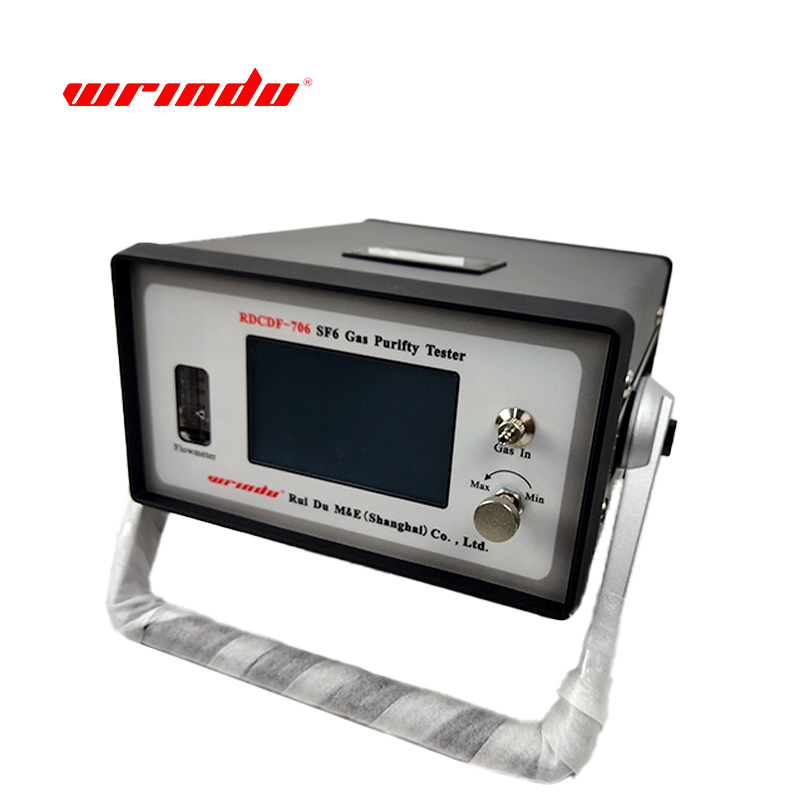 SF6 Leak Detector Sensitivity: Select a Method for the Inspection TaskKnowledge
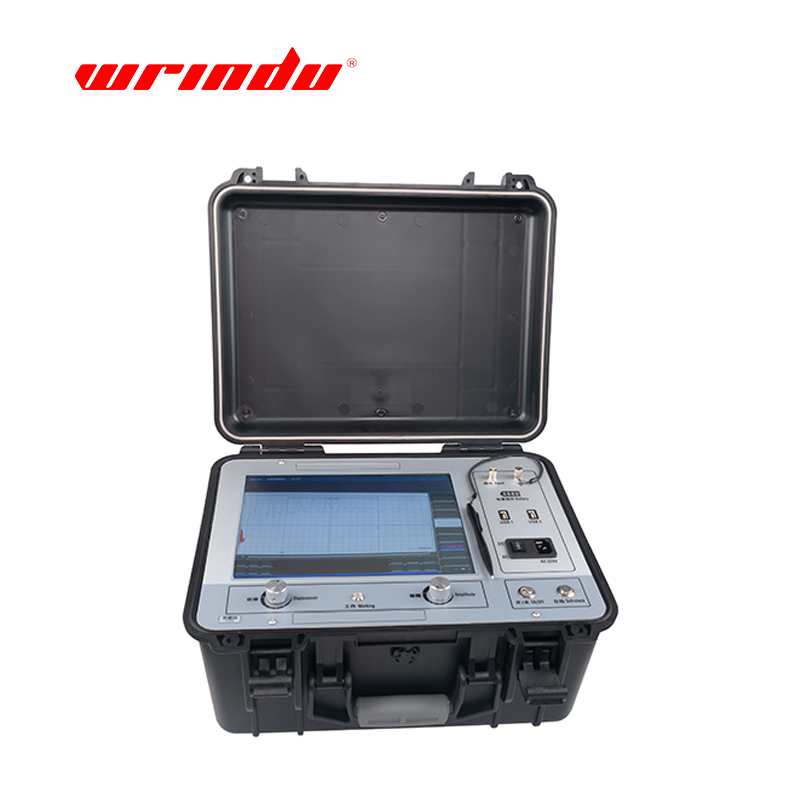 Cable Fault Locator Selection for Urban Networks: Routes, Noise and AccessKnowledge
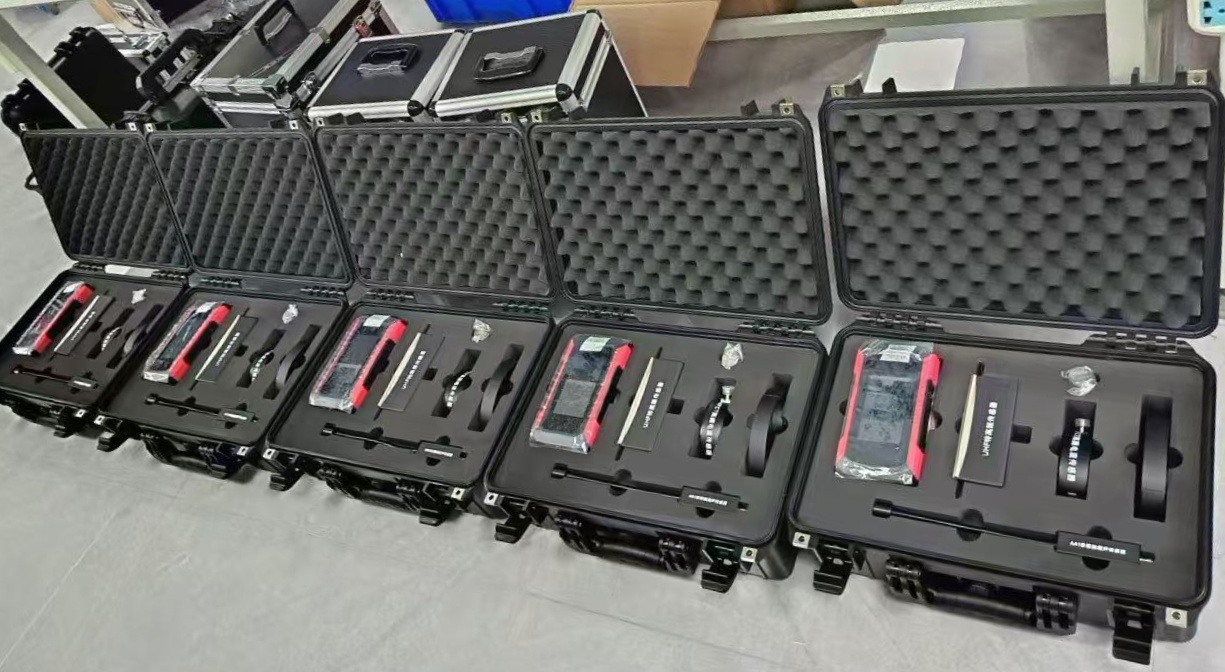 Substation Battery Load Bank Sizing: Duty, Voltage Range and Heat RejectionKnowledge
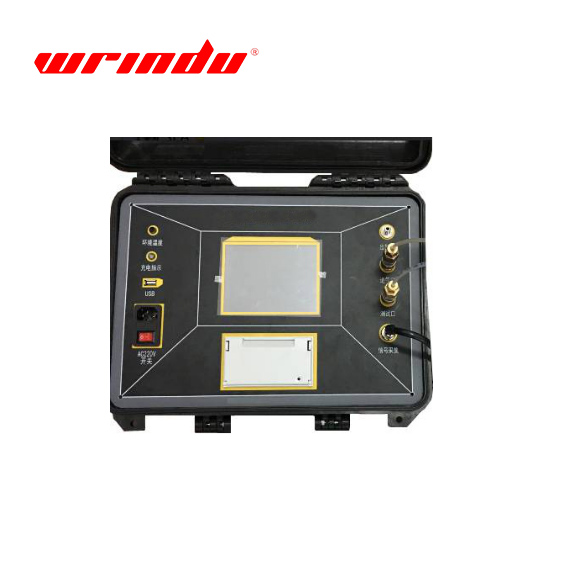 CT Polarity, Ratio and Burden Testing: Find Wiring and Loading ErrorsKnowledge