
Exporting Test Equipment: Compliance and Documentation for Import
Send your test requirement — get a tailored solution and a quote within one working day.

A shipment of high-voltage test equipment is assessed at the border on the documents that accompany it. The instruments may be perfect and the order correctly configured, and the shipment is still held if the classification is wrong, a certificate is missing or the manual is in a language the destination does not accept. Test equipment export compliance is mostly a documentation discipline.
The cost of a hold is not only the storage. It is the commissioning programme that was waiting for the equipment, the crew that has been mobilised to site, and the client relationship.
Why documentation decides an import
The customs authority assesses the shipment against the documents. It does not inspect the equipment in the way an engineer would; it checks that what is declared matches the tariff classification, that the value is consistent, and that any required certificate is present and valid.
A misclassification is the commonest cause of a hold. Test equipment spans several tariff headings, and the correct heading depends on the function of the instrument rather than on its purpose. A description that says testing equipment without saying what it measures invites the authority to choose a heading.
The second commonest is an inconsistency between the invoice, the packing list and the transport documents. A packing list that shows fewer packages than were shipped, or a description that differs between documents, produces a hold while the discrepancy is investigated.
Commercial invoice, packing list and HS classification
| Document | What it must get right | Common failure |
|---|---|---|
| Commercial invoice | Item description in tariff terms, quantity, unit value, total, currency, terms of sale | Generic descriptions that do not identify the instrument |
| Packing list | Number and type of packages, contents of each, weights and dimensions | Contents not matching the invoice item by item |
| HS classification | The heading that applies to the function of each item | Applying one heading to a mixed shipment |
| Certificate of origin | The origin as required by the destination or by a trade agreement | Inconsistent with the invoice declaration |
| Transport documents | Consignee, delivery terms, description consistent with the invoice | Description abbreviated in a way that changes the classification |
A mixed shipment is a specific risk. A consignment containing instruments, cables and accessories may attract different headings, and a single classification for the whole shipment is likely to be wrong for part of it.
Certificates required at destination
Some destinations require a conformity assessment document before the equipment can be imported, and the requirement is specific to the product category and the voltage class. The document the destination requires is not always the certificate the product holds, and the difference has to be established before shipment.
The customer’s own acceptance requirements are a second category. A utility may require certification evidence for its own procurement process, and that evidence has to reach it independently of the customs documentation.
The practical arrangement is a per-destination checklist that states which documents are required, by whom they are issued and how long they take to obtain. Obtaining a certificate after the shipment has sailed is not a plan.
Battery and hazardous goods constraints
Instruments containing lithium batteries are subject to transport regulations covering classification, packaging, labelling and documentation. Those requirements apply to the transport of the shipment regardless of the function of the equipment.
The common failures are an undeclared battery, packaging that does not meet the requirement, and labelling that does not match the declaration. Each of them results in a shipment being held or refused, and the resolution takes longer than the original transport.
Where a shipment contains both equipment and spare batteries, the two may have different requirements and should be documented separately. The same applies to any gas cylinders or reference materials that accompany the equipment, which have their own transport constraints and which are frequently forgotten because they are treated as consumables.
Voltage and plug configuration by market
The instrument has to operate on the destination’s supply, and its power connection has to suit the installation. Those are engineering questions rather than documentation ones, and they should be settled before the order.
Where the equipment is supplied with a power supply that accepts a range of voltages, the configuration question reduces to the plug or the connection arrangement. Where the instrument has a fixed supply requirement, the destination voltage has to be confirmed against it.
The enclosure rating matters as well where the equipment will be used in an outdoor compound or a coastal environment. A rating that suits an air-conditioned switchroom may not suit the installation the customer described, and the mismatch is discovered at commissioning rather than at import.
Labelling, manuals and language requirements
Some markets require labelling in the official language, and some require the operating manual in that language for the equipment to be placed on the market. Those requirements are conditions of import rather than preferences.
The manual content matters for the same reason. A translated version of an operating manual is useful; a translated version that omits the application guidance leaves the user with the controls and no method, which is the part that determines whether the equipment is used correctly.
The labelling requirements may also cover the markings on the instrument itself, including the manufacturer identification, the model and the certification marks. Where the destination requires a mark that the product does not carry, the requirement has to be identified before manufacture rather than at shipment.
Customs delays and their cost
The direct cost is storage and demurrage. The indirect cost is the programme, which is usually larger: a commissioning crew waiting for equipment, an outage window that cannot be moved, and a client whose energisation date is now at risk.
The third cost is the relationship. A shipment that arrives late because of a documentation error is a supplier reliability issue in the customer’s view, regardless of who made the error.
The practical protection is to treat the documentation as a deliverable with its own review and its own lead time, rather than as an administrative step performed after the equipment is ready. The documentation has to be correct before the shipment leaves, and correcting it afterwards takes longer than the shipment itself.

A compliance checklist by destination
The checklist should state, for each destination, the classification approach, the required certificates, the hazardous goods requirements, the voltage and connection configuration, the labelling and language requirements, and the review process before shipment.
It should also name the responsible person for each item and the point in the order process at which it is confirmed. A checklist without owners is a document that is completed after the problem occurs.
The checklist should be maintained rather than rebuilt for each order. Requirements change, and a checklist that is reviewed annually and updated with each shipment becomes more accurate over time, which is what makes the second export to a market faster than the first. The enclosure protection ratings that equipment specifications reference are defined in IEC 60529; the installation requirements for the markets that reference them are set out in IEC 61936-1; accreditation and conformity practice is described by the international bodies such as ILAC; trade and procurement frameworks that affect public projects are published by institutions such as the World Bank; and market practice is coordinated through CIGRE study committees. Product documentation that forms part of the export package is listed under product documents for download, the equipment range is listed under all electrical testing equipment, and channel support in a market is described under become a partner.
A shipment is cleared on its paperwork, and the paperwork has to be right before it sails.
Send your destination market and equipment list to our engineering team and we will help you build the per-destination checklist. Product documentation and the equipment range are listed under product documents for download and all electrical testing equipment.
FAQ
Why does documentation decide an import rather than the equipment?
Because the equipment is assessed at the border on the strength of the documents presented. A correct instrument with an incorrect classification, a missing certificate or a manual in the wrong language is held at customs, and the delay is measured in weeks rather than in the value of the missing document.
What are the core commercial documents?
The commercial invoice with a complete and accurate description of each item, the packing list matching the shipment, the certificate of origin where required, and the transport documents. The invoice description should identify the equipment in the terms the destination’s tariff schedule uses, because a generic description invites a reclassification and a delay.
Which certificates are commonly required?
A conformity or certification document for the equipment where the destination requires one, and the certification evidence the customer needs for their own acceptance. The document that travels with the shipment should be the one the destination’s authority expects, which is not always the same as the certificate the product holds.
What constraints come with batteries and hazardous goods?
Instruments containing lithium batteries are subject to transport regulations covering classification, packaging, labelling and documentation. Those requirements apply to the transport of the shipment regardless of the equipment’s function, and they are frequently the reason a shipment is held.
How do voltage and plug configuration affect the export?
The instrument has to operate on the destination’s supply and its power connection has to suit the installation. Those are engineering questions that should be settled before the order rather than at commissioning, because a change afterwards involves modification rather than configuration.
Related articles
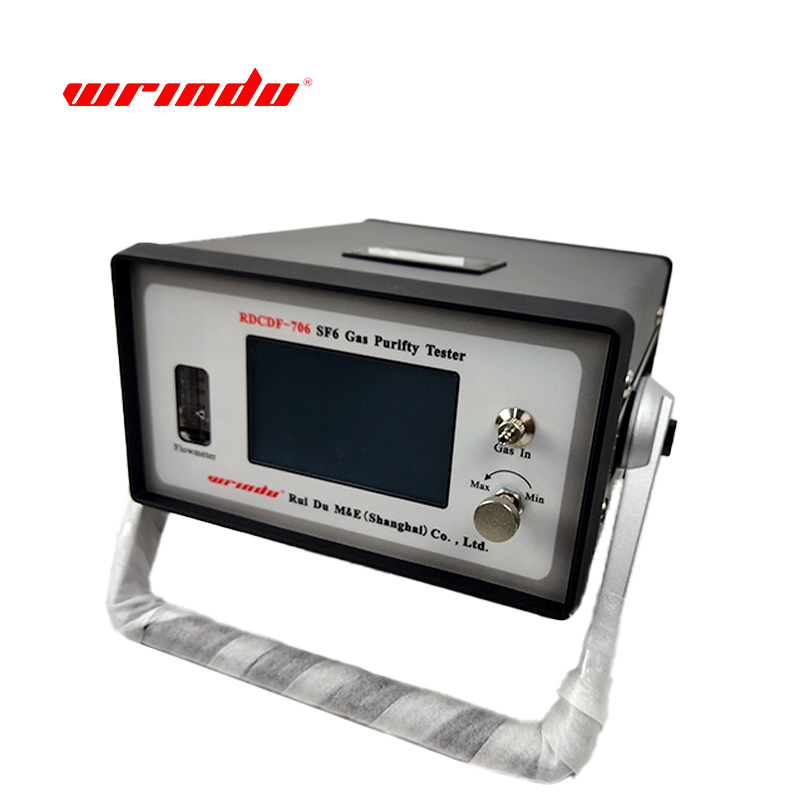 SF6 Leak Detector Sensitivity: Select a Method for the Inspection TaskKnowledge
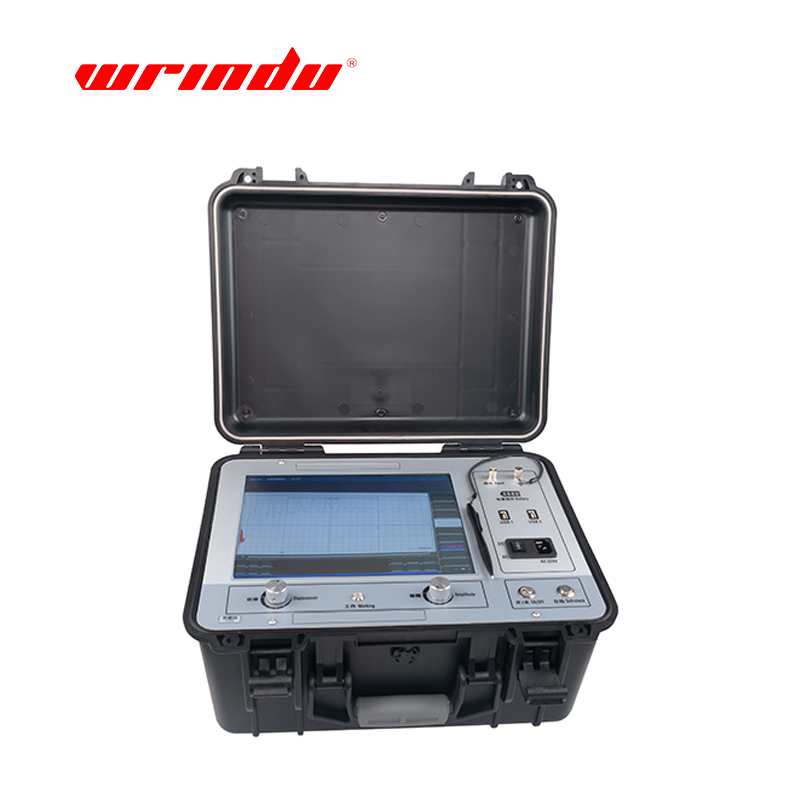 Cable Fault Locator Selection for Urban Networks: Routes, Noise and AccessKnowledge
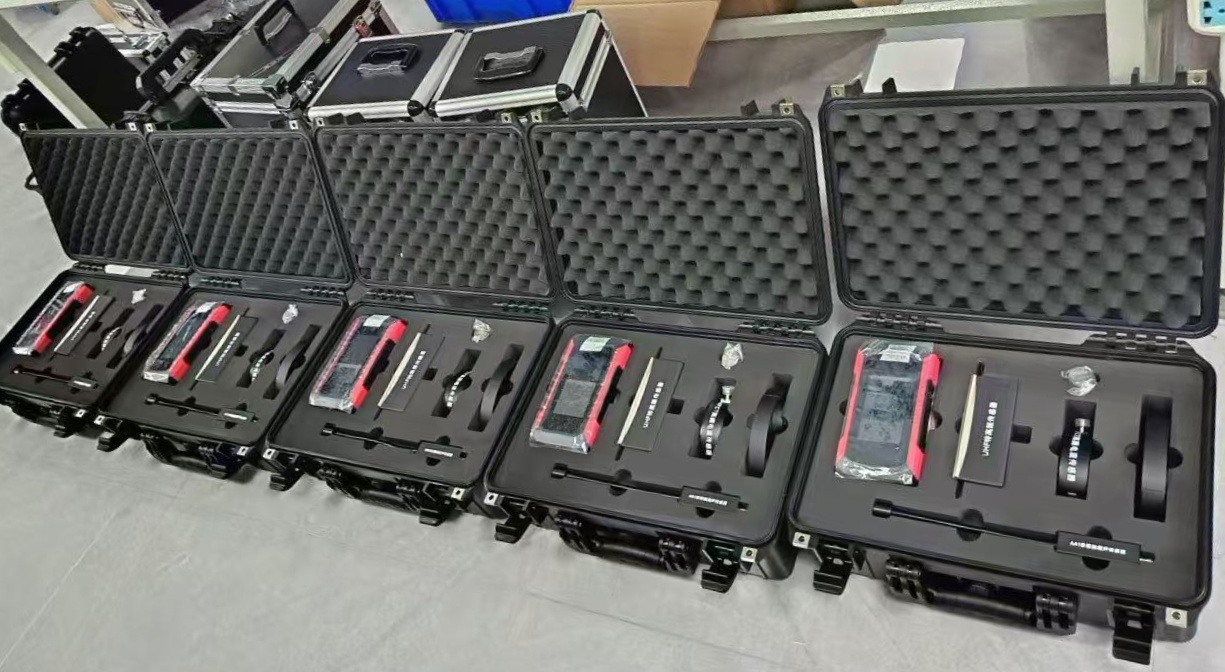 Substation Battery Load Bank Sizing: Duty, Voltage Range and Heat RejectionKnowledge
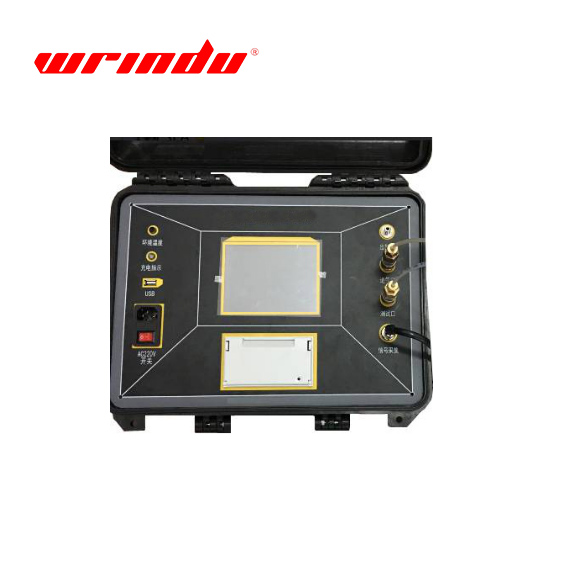 CT Polarity, Ratio and Burden Testing: Find Wiring and Loading ErrorsKnowledge