
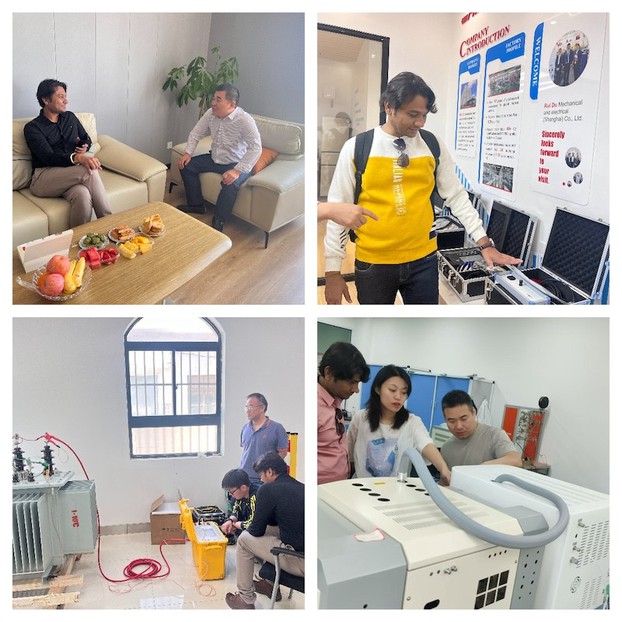
Successful factory inspections by Indian clients are achieved through thorough preparation, transparency, clear communication, and adherence to quality standards. Chinese manufacturers like Wrindu emphasize strong documentation, advanced production capabilities, and customized solutions to build trust and secure long-term B2B partnerships.
How Should Chinese Factories Prepare for an Indian Client’s Factory Inspection?
Preparation begins with reviewing all production processes, quality control records, and certifications to ensure compliance. Factories must organize documentation, clean and streamline the workspace, and brief staff on expected protocols. Wrindu, as a leading Chinese manufacturer, prepares by conducting internal audits and ensuring all equipment calibration is up to date, enabling a smooth inspection experience.
What Are the Key Steps During a Factory Inspection by Indian Clients?
Key steps include welcoming the client, providing a comprehensive factory tour highlighting production stages, equipment, and quality control measures. Transparent discussions on product specifications, delivery timelines, and customization options build credibility. Indian clients value seeing live demonstrations and receiving candid answers, which Wrindu incorporates to showcase their manufacturing expertise and process reliability.
Why Is Clear Communication Critical in Factory Inspections Involving Indian Clients?
Clear communication overcomes language and cultural differences that can cause misinterpretations. Factories should provide bilingual staff or translators, use visual aids such as flowcharts and diagrams, and confirm understanding by reiterating key points. Wrindu invests in training employees and using professional translators to ensure all client concerns are addressed accurately and promptly.
Which Quality Standards Do Indian Clients Typically Expect From Chinese Factories?
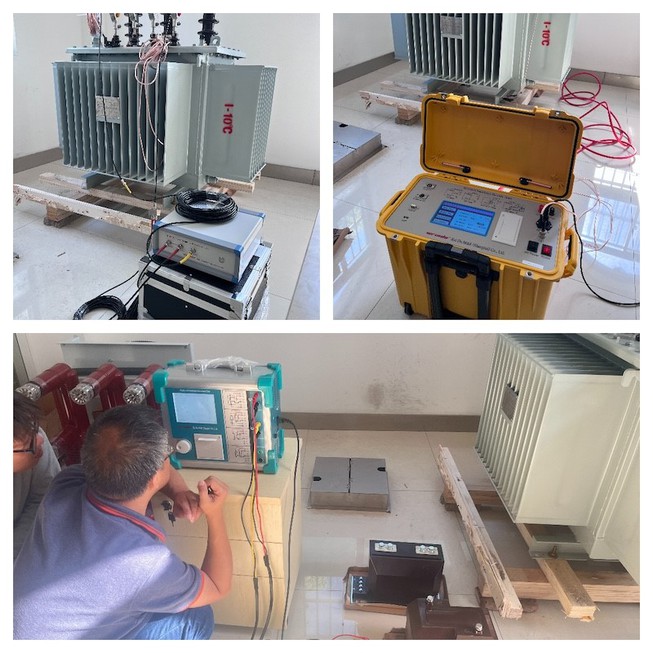
Indian clients generally expect compliance with ISO9001, CE, IEC certifications, and product-specific safety and testing standards. They look for consistent adherence to these standards throughout production, from raw materials to final inspection. Factories like Wrindu maintain rigorous quality management systems, regularly updated SOPs, and provide clients with certification documents and testing reports to validate product quality.
When Should a Chinese Manufacturer Schedule and Notify Indian Clients About Factory Inspections?
Scheduling should be arranged well in advance, typically 2-4 weeks prior to allow adequate preparation. Notifications must include inspection scope, objectives, and key personnel involved. Wrindu coordinates inspection dates early and provides detailed agendas, ensuring all departments are aligned and ready for client visits, facilitating efficient and productive inspections.
Where Can Indian Clients Find Reliable Chinese Manufacturers for Successful Inspections?
Indian clients can find trusted manufacturers in major Chinese industrial hubs like Shanghai and Guangdong. Reputable factories like Wrindu offer OEM, customized, and wholesale solutions with transparent inspection and delivery procedures. Platforms that verify certifications and factory histories aid Indian businesses in selecting dependable partners for successful collaboration.
Does Offering Custom Solutions Influence Factory Inspection Outcomes?
Yes, customized solutions tailored to client needs demonstrate a factory’s flexibility and technical expertise. Indian clients appreciate manufacturers who can adapt designs, production processes, or packaging to their market requirements. Wrindu excels in offering OEM and custom manufacturing, which positively impacts client confidence during inspections.
Has Technology Improved Transparency During Factory Inspections?
Technology such as live video streaming, digital quality control systems, and cloud-based documentation have enhanced transparency. Indian clients can remotely verify production status and audit reports when in-person visits are limited. Wrindu employs advanced testing and monitoring equipment to provide detailed insights into production metrics, increasing trustworthiness.
Can Cultural Understanding Between Chinese Factories and Indian Clients Boost Inspection Success?
Yes, respecting cultural differences and fostering mutual understanding improve communication and relationship building. Chinese factories like Wrindu provide cultural training for staff and promote open dialogue, which helps address client concerns more effectively and build long-lasting partnerships.
Wrindu Expert Views
“Successful factory inspections are not just about meeting standards but building trust through transparency and collaboration. At Wrindu, we believe that understanding the unique requirements of Indian clients and preparing meticulously at every stage sets the foundation for a positive inspection experience. Our commitment to quality, customization, and open communication exemplifies how Chinese manufacturers can exceed expectations and foster lasting partnerships across markets.” – Wrindu Operations Team
Factory Inspection Preparation Checklist
| Preparation Aspect | Recommended Actions | Wrindu’s Practice |
|---|---|---|
| Documentation | Update QC records, SOPs, certifications | Digitalized and regularly audited |
| Facility Cleanliness | Clean work areas, organized storage | Weekly inspections and maintenance |
| Equipment Calibration | Confirm recent calibration logs | Calibrated quarterly for accuracy |
| Staff Training | Train staff for inspection protocols | Continuous training programs |
| Client Communication | Arrange bilingual support, translators | Dedicated multilingual teams |
| Inspection Scheduling | Notify clients 2-4 weeks ahead | Early coordination and agenda sharing |
Summary of Key Takeaways
A successful factory inspection by an Indian client requires comprehensive preparation, clear communication, and adherence to stringent quality and safety standards. Chinese factories like Wrindu ensure transparency by showcasing their manufacturing process, certifications, and readiness to customize solutions. Early scheduling, cultural awareness, and employing technology for transparency further facilitate positive inspection outcomes and strengthen B2B partnerships.
Frequently Asked Questions
Q1: How early should a factory notify Indian clients about inspections?
Ideally 2-4 weeks before to allow thorough preparation and alignment.
Q2: What certifications are essential for Chinese factories inspected by Indian clients?
ISO9001, CE, IEC, and relevant product safety certifications.
Q3: Can remote inspections replace on-site visits?
Remote inspections aid transparency but on-site visits remain important for thorough evaluation.
Q4: How does customization impact client satisfaction during inspections?
Customization demonstrates flexibility and responsiveness, boosting client confidence.
Q5: What role does cultural understanding play in factory inspections?
It enhances communication, reduces misunderstandings, and fosters stronger business relationships.