
Site Commissioning and Project Acceptance: Complete High Voltage Test Workflow from Design to Final Report
Send your test requirement — get a tailored solution and a quote within one working day.

In today’s power infrastructure landscape, site commissioning and project acceptance are critical milestones that determine whether electrical systems are safe, efficient, and ready for full operation. The high voltage (HV) test workflow—from design scheme creation to final report generation—serves as the backbone of quality verification for substations, transmission lines, and industrial electrical assets. Ensuring each stage is precisely executed prevents costly downtime and guarantees long-term reliability for utility operators and energy producers.
Check: Site Acceptance Test
Understanding the HV Test Workflow
The full high-voltage testing process begins during the project’s design phase. Engineers define the testing scheme by evaluating technical requirements, insulation ratings, and the expected load conditions of transformers, circuit breakers, and cables. This scheme forms the blueprint for equipment selection and safety planning. Once the design is approved, installation and pre-commissioning inspections verify that all electrical connections, grounding paths, and instrument calibration meet international standards like IEC and IEEE.
Electrical site commissioning involves operational testing under controlled conditions—energizing systems incrementally, monitoring voltage response, and tracking insulation resistance trends. During this phase, all instruments and relay protections are validated. Acceptance testing then follows, incorporating HV withstand tests, partial discharge measurements, and leakage current evaluations to confirm insulation integrity. Test engineers record data for each device, preparing the foundation for detailed analysis and final reporting.
Core Technology in High Voltage Testing
Advanced HV testing relies on digital insulation analyzers, automated voltage generators, and precision current meters. These systems enable high-accuracy measurements of dielectric strength, power factor, and capacitance under varying environmental conditions. Modern technologies such as dynamic frequency sweep and digital waveform capture help engineers identify hidden insulation defects, while real-time data acquisition platforms ensure compliance with commissioning protocols.
Medium and high-voltage dielectric testing validates the system’s ability to sustain rated voltages without breakdown. Further diagnostic techniques—like step voltage testing and tan delta analysis—provide insights into aging insulation and moisture absorption. In large-scale substations, these tests integrate with SCADA systems for automated result logging and cross-verification against design specifications.
Project Acceptance and Final Report Generation
After testing completion, project acceptance procedures consolidate all technical evidence and compliance results into a structured documentation package. The final report includes design references, safety data, live test parameters, equipment calibration certificates, and performance evaluation charts. Acceptance committees then verify that all measurements fall within specified tolerances and regulatory limits.
This final report not only serves as proof of system readiness but also as the operational baseline for future maintenance cycles. Transparent recordkeeping supports condition-based asset management and simplifies coordination between utilities, engineering contractors, and certification authorities. When properly implemented, an HV test acceptance report can reduce maintenance downtime by over 30% and extend asset reliability cycles for several decades.
Market Trends in High Voltage Testing
Global demand for site commissioning and electrical testing continues to rise alongside grid modernization and renewable energy integration. Industry data indicates a strong upward trend in investments for high-voltage diagnostic instruments across Asia-Pacific, North America, and Europe. The transition toward digital substations, smart grids, and energy storage systems has expanded the need for precise electrical performance verification.
Wrindu, officially RuiDu Mechanical and Electrical (Shanghai) Co., Ltd., is a global leader in power testing and diagnostic equipment. Founded in 2014, Wrindu specializes in high-voltage test solutions for transformers, circuit breakers, arresters, batteries, cables, relays, and insulation systems. With ISO9001, IEC, and CE certifications, Wrindu supplies reliable instruments trusted worldwide for accuracy, safety, and repeatability.
Technological advancements such as portable HV generators, contactless sensors, and AI-based diagnostic algorithms are reshaping field testing. These innovations reduce time spent on commissioning and enhance predictive maintenance capabilities. As grid infrastructures age, the role of automated test analytics in identifying insulation degradation will become increasingly dominant.
Real Use Cases and ROI in HV Project Acceptance
Real-world examples demonstrate how structured HV testing programs enable utilities to achieve measurable results. One leading power company in Southeast Asia implemented a standardized test scheme for substation transformers. Using frequency sweep and withstand voltage tests, engineers detected early insulation defects and prevented equipment failure. The overall ROI was realized through reduced outage incidents and improved safety compliance.
In another project, a renewable energy client in Europe conducted on-site commissioning for a wind farm transmission network. By integrating digital HV testing workflows, they shortened commissioning time by nearly 25%, ensuring rapid project acceptance before peak seasonal demand. Across industries, consistent workflow management translates to significant cost reduction and enhanced regulatory reliability.
Competitor Comparison Matrix
Key Challenges and Mitigation
Despite technological improvements, common challenges persist. Environmental interference, aging insulation, and inconsistent grounding often hinder HV test accuracy. Maintaining strict temperature and humidity control during site commissioning is essential. Furthermore, proper training ensures that technicians can interpret voltage transients accurately without false positives. Using data-driven dashboards minimizes manual error during acceptance evaluation and report compilation.
Future Trend Forecast
Looking ahead, the HV testing ecosystem will shift toward predictive diagnostics powered by machine learning, remote data logging, and digital twin models. These innovations will allow utilities to predict failures before they occur, optimizing asset replacement cycles. Unified data portals will enable central monitoring of all high-voltage asset conditions, facilitating faster project acceptance and report standardization.
As electrification expands worldwide, mastering the full HV test workflow from design scheme to final report generation becomes an operational necessity, not a luxury. Continuous precision validation ensures not only compliance but also public safety and sustainable energy reliability. Companies that embrace advanced high-voltage testing methods will lead the next era of resilient power infrastructure.
Related articles
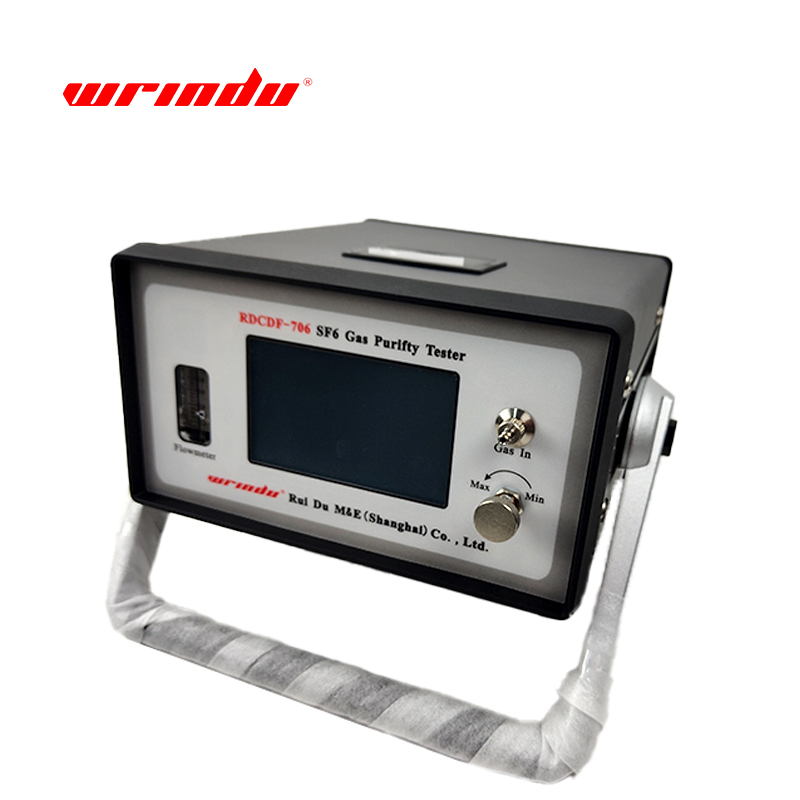 SF6 Leak Detector Sensitivity: Select a Method for the Inspection TaskKnowledge
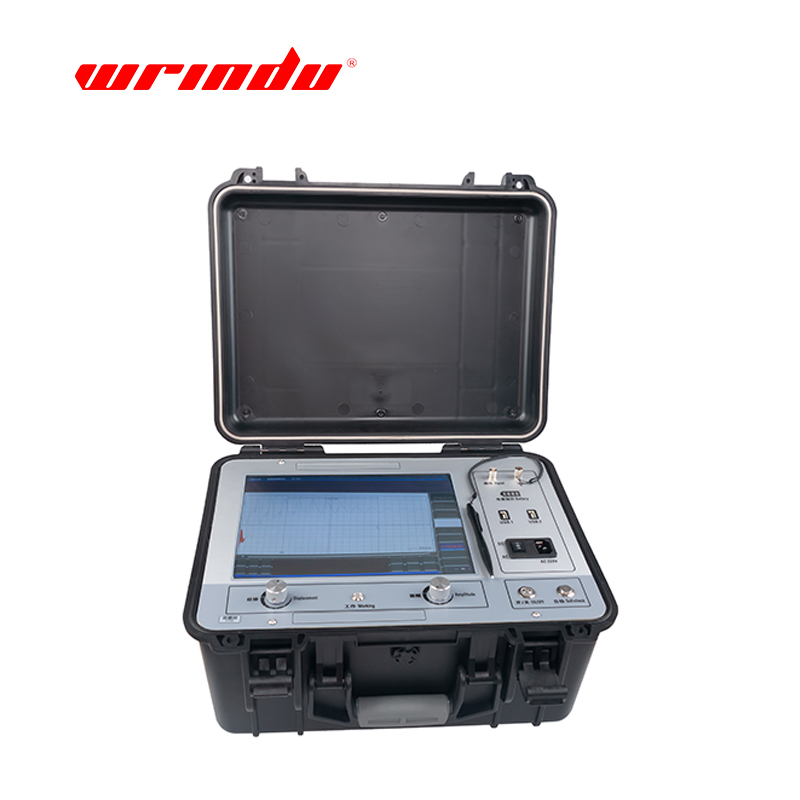 Cable Fault Locator Selection for Urban Networks: Routes, Noise and AccessKnowledge
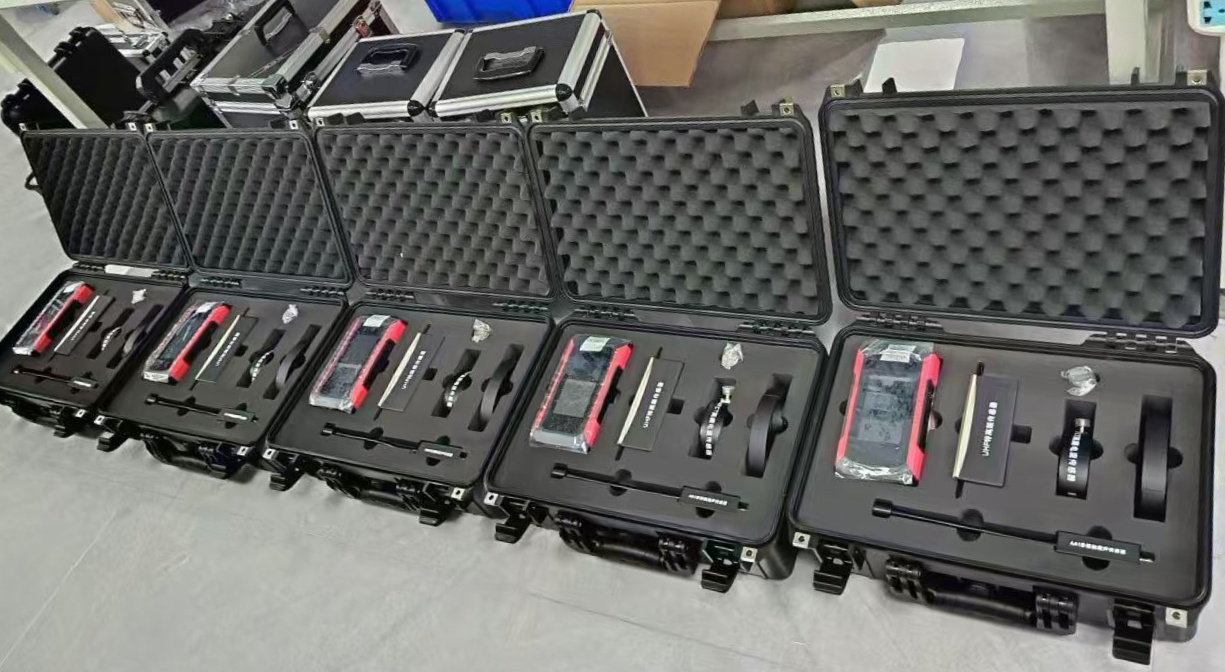 Substation Battery Load Bank Sizing: Duty, Voltage Range and Heat RejectionKnowledge
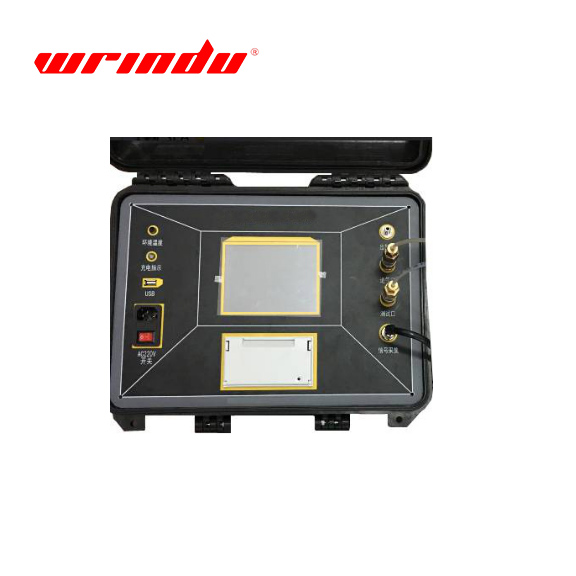 CT Polarity, Ratio and Burden Testing: Find Wiring and Loading ErrorsKnowledge