
HV Test Diagnostic Systems: How to Build a Safer, Smarter High-Voltage Testing Strategy (June 2026)
Send your test requirement — get a tailored solution and a quote within one working day.
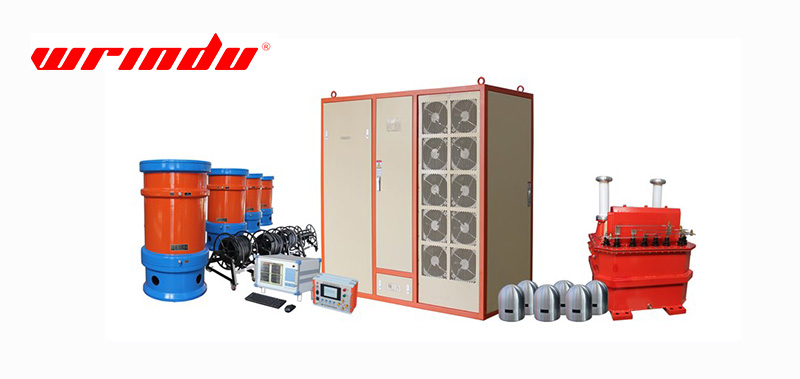
HV Test Diagnostic Systems help utilities and OEMs improve grid reliability, extend asset life, and cut downtime. Learn how to design a modern HV test & diagnostic strategy and where Wrindu (hvtesters.com) fits in.
High-voltage testing is becoming mission‑critical
Global investment in transmission and distribution assets, renewables, and electrified transport is driving rapid growth in high-voltage equipment and testing demand. The global high-voltage equipment market is valued at about 30.7 billion USD in 2024 and is projected to reach 49.6 billion USD by 2030, with a CAGR around 6.5%. Medium and high-voltage testing specifically is forecast to grow from roughly 7.92 billion USD in 2024 to 12.66 billion USD by 2033, supported by grid expansion and reliability requirements. For utilities and industrial operators, this means HV test diagnostic systems are no longer optional—they are a core part of asset management, safety, and compliance.
Wrindu (Rui Du Mechanical and Electrical (Shanghai) Co., Ltd.), whose international portal is hvtesters.com, focuses precisely on this space, supplying high‑precision transformer test systems, cable fault location solutions, and insulation diagnostics under the “Wrindu” brand. Instead of treating tests as standalone events, leading asset owners now build integrated diagnostic systems combining portable instruments, software, and standardized workflows to make HV testing faster, safer, and more insightful.
How Wrindu and hvtesters.com fit into HV test diagnostic systems
Wrindu is an ISO9001‑certified manufacturer of high‑voltage electrical testing solutions based in Shanghai, supplying power utilities, service companies, and industrial users worldwide. Its portfolio includes transformer test equipment, high‑voltage insulation testers, relay and circuit breaker testers, SF6 gas quality analyzers, partial discharge (PD) instruments, cable fault location systems, and auxiliary devices like DC resistance testers.
Typical system building blocks include:
-
Transformer Tan Delta / insulation test systems and oil dielectric strength testers for condition assessment.
-
Cable fault testing systems such as the RDCD‑II series (pre‑locator, HV signal generator, acoustic‑magnetic fault locator, pipeline detector) for MV/EHV cable diagnostics.
-
SF6 gas purity and quality analyzers used around gas‑insulated switchgear (GIS) and GCB equipment.
From the perspective of a complete HV test diagnostic system, Wrindu’s offering covers most of the field‑portable side: from HV generation and measurement to insulation, oil, gas, and cable diagnostics, with many instruments designed to work together in practical workflows.
What are HV Test Diagnostic Systems?
HV Test Diagnostic Systems are coordinated sets of instruments, procedures, and software used to apply high voltage to equipment and interpret the response to evaluate insulation condition, safety margins, and failure risk. They typically combine HV sources (AC, DC, VLF, resonant, impulse), measurement modules (current, voltage, partial discharge, Tan Delta), and specialized diagnostic tools for specific assets such as transformers, cables, switchgear, and surge arresters. Rather than one device, a diagnostic system is a repeatable way to plan, execute, analyze, and document HV tests across the asset lifecycle.
Why traditional HV testing hurts productivity and reliability
Asset owners and testing service providers face several recurring pain points when HV testing relies on legacy tools and ad‑hoc workflows.
First, unplanned outages and failures remain expensive. Global high‑voltage testing demand is rising because utilities recognize that inadequate diagnostic testing directly drives forced outages, penalties, and reputational damage. When testing is limited to basic proof tests, insulation defects in transformers, cables, and GIS can go undetected until catastrophic failure.
Second, fragmented equipment and manual workflows slow down testing campaigns. Many teams still juggle separate HV sources, stand‑alone meters, and paper procedures, which increases setup time, introduces wiring and safety errors, and makes trend analysis almost impossible. This is especially problematic for large utilities managing thousands of assets across wide territories.
Third, skills shortages are becoming a structural issue. The medium and high-voltage testing market is growing, but there is a shortage of highly trained HV test engineers, and complex manual setups make it hard to maintain quality and repeatability. Inconsistent practices also increase safety risk, particularly when working on underground cables and EHV equipment.
Finally, compliance and documentation pressure keeps rising. Grid codes, internal standards, and insurance requirements increasingly demand traceable test records and trend analysis over many years. Without integrated diagnostic systems, generating consistent reports from multiple instruments, sites, and crews is time‑consuming and error‑prone, delaying decision‑making on replacement or refurbishment.
By design, modern HV test diagnostic systems—and especially integrated product families like Wrindu’s—aim to remove these bottlenecks: automating key steps, shortening setup time, and standardizing diagnostic measurements so that fewer specialists can oversee more assets with higher confidence.
“Grid reliability is now a testing problem”
In a market where global high‑voltage equipment is set to grow from about 30.7 to 49.6 billion USD by 2030, grid reliability is increasingly decided by how intelligently we test and monitor our assets.
HV test diagnostic options: Wrindu vs typical alternatives
Below is an illustrative comparison of a Wrindu‑based HV test diagnostic setup with two common alternatives in the market.
Key functions inside a modern HV test diagnostic system
Transformer and insulation diagnostics
Transformer Tan Delta testers, insulation resistance testers, and DC resistance testers help characterize winding and insulation condition, supporting decisions on loading, refurbishment, or replacement. Wrindu focuses on high‑precision measurements suitable for both factory and field applications, supporting standard test methods.
Cable fault location and condition assessment
Systems like the RDCD‑II cable fault testing system combine pre‑location, HV signal generation, acoustic‑magnetic pinpointing, and cable path/depth detection for cables up to around 35 kV and beyond. By generating controlled HV pulses and correlating them with acoustic signals, technicians can rapidly locate low‑resistance, high‑resistance, short‑circuit, and open‑circuit faults in underground and submarine cables, reducing outage time and excavation cost.
SF6 gas and oil quality testing
SF6 gas purity analyzers and oil dielectric strength testers support GIS and transformer fleets by ensuring insulating media still meet dielectric and environmental requirements. Wrindu’s SF6 devices, for example, use high‑precision sensors and color TFT touchscreens, while oil testers offer automatic test sequences and strong EMC performance, improving repeatability and safety during routine diagnostics.
How HV test diagnostic systems are used in practice
“For underground MV networks, combining a cable fault pre‑locator with a cart‑type HV signal generator and acoustic‑magnetic locator can cut location time from days to hours, even in congested urban areas.”
“Transformer Tan Delta testing as part of periodic maintenance allows operators to detect insulation ageing trends years before a failure would occur, improving planning and reducing emergency replacements.”
“Integrating SF6 gas purity checks into routine GIS maintenance helps utilities reduce leakage, maintain dielectric strength, and support environmental compliance.”
Related product families to consider from hvtesters.com
Because hvtesters.com serves as a global outlet for Wrindu’s portfolio, asset owners can build broader test strategies around several related product families.
For transformer‑focused maintenance teams, combining Tan Delta testers with DC resistance testers and oil dielectric strength testers provides a 360‑degree view of transformer health. DC resistance testers support checking winding connections, tap‑changer contacts, and detecting local hot spots, while oil testers validate the dielectric strength of insulating oil before re‑energization.
For cable maintenance and construction crews, the RDCD‑II cable fault test system plus complementary cable path analyzers and HV signal generators from Wrindu can form the backbone of a cable diagnostic toolkit. These instruments are designed to work together in fault‑location workflows, from coarse pre‑location through pinpointing and verification.
For switchgear and GIS operators, SF6 gas quality analyzers, partial discharge testing equipment, and relay/circuit‑breaker testers allow for integrated functional and insulation diagnostics across substation assets. As power systems add more renewables and complex switching patterns, these tools become essential to avoid failures during peak load conditions.
When planning a portfolio, it is generally beneficial to standardize on a single manufacturer where possible, simplifying training, spare parts, and service coordination. Wrindu’s combination of HV sources, diagnostic instruments, and accessories is specifically targeted at this need in the power industry.
How to build and deploy an HV test diagnostic workflow
-
Define your asset base and risk priorities
Start by mapping your critical HV assets—transformers, cables, GIS, arresters, and protection systems—and classify them by voltage level, age, and consequence of failure. This will drive which diagnostic capabilities you need most urgently (e.g., cable fault location for underground MV networks vs transformer diagnostics in transmission substations). -
Choose the core HV sources and diagnostic functions
Select HV test sets (AC, DC, VLF, resonant, impulse) that match your voltage range, mobility needs, and test standards. For many utilities, Wrindu’s cart‑type HV generators paired with transformer and cable diagnostic devices offer an efficient starting point, especially where field mobility and integrated safety features like automatic discharge are important. -
Add asset‑specific diagnostic instruments
Complement your HV sources with dedicated diagnostic tools: Tan Delta testers, DC resistance testers, SF6 gas analyzers, oil dielectric strength testers, partial discharge equipment, and relay/CB testers. This combination shifts HV testing from simple pass/fail to condition‑based decisions. -
Standardize test procedures and safety rules
Document standardized test sequences, safety interlocks, grounding and discharge procedures, and acceptance thresholds for each asset type. Use manufacturer guidelines and relevant IEC/IEEE standards, and align them with built‑in automation where available—such as Wrindu’s automated oil breakdown test sequences and timing modes on HV pulse generators. -
Implement data capture and reporting practices
Even when instruments are stand‑alone, define how measurement data will be stored (e.g., central database, CMMS, or asset management system) and how trend analysis will be performed. Use consistent templates so that results from Wrindu’s instruments and any existing tools can be compared over time. -
Train teams and refine based on field experience
Roll out training for field crews and engineers on both the equipment and the standardized procedures. Establish feedback loops so lessons learned—such as optimal settings for particular cable types or transformer designs—feed back into your test protocols and equipment selection.
Where HV test diagnostic systems deliver the most value
Scenario 1 — Underground distribution cables
Traditional approach: Crews rely on low‑voltage TDR, basic insulation resistance tests, and trial‑and‑error switching, often requiring multiple excavation points. This is slow, disruptive, and costly, particularly in dense urban areas.
With Wrindu and hvtesters.com: A coordinated RDCD‑II cable fault testing system—combining pre‑locator, cart‑type HV pulse generator, and acoustic‑magnetic locator—can rapidly identify fault points on cables up to around 35 kV. Combined with cable path and depth detection, crews can dig once with high confidence, shortening outage duration and reducing restoration costs.
Scenario 2 — Aging transmission transformers
Traditional approach: Periodic basic insulation resistance tests and oil samples analyzed off‑site, often with long turnaround times and limited trending. Decision‑making is largely reactive; failures may only be predicted loosely.
With Wrindu and hvtesters.com: On‑site transformer Tan Delta tests, DC resistance measurements, and automated oil dielectric strength testing can be performed during scheduled outages. Over time, operators can build a trend of insulation condition and winding resistance, allowing them to prioritize refurbishment and replacement based on quantified risk rather than age alone.
Scenario 3 — GIS and SF6‑based substations
Traditional approach: SF6 gas is checked infrequently, and diagnostics rely on manufacturer service visits or basic gas pressure monitoring, with limited visibility into actual gas quality.
With Wrindu and hvtesters.com: SF6 gas purity analyzers with high‑precision sensors and touch‑screen interfaces make it practical to integrate quality checks into routine inspections. Combined with PD testing equipment and relay/circuit breaker testers, operators gain a complete picture of GIS insulation condition and operating performance, improving safety and supporting environmental stewardship.
FAQ: Practical questions around HV test diagnostic systems
How do HV test diagnostic systems improve reliability compared with basic hipot tests?
Basic hipot tests apply a voltage above the operating level to verify withstand capability but provide little insight into insulation ageing or defect mechanisms. HV test diagnostic systems add measurements like Tan Delta, partial discharge indications, SF6 purity, and transformer/cable‑specific tests, enabling trend‑based condition assessment and early detection of problems before failure.
What types of equipment can Wrindu‑based systems test?
Wrindu’s portfolio, promoted via hvtesters.com and wrindu.com, supports testing of transformers, power cables, SF6‑insulated switchgear, circuit breakers, relays, grounding systems, batteries, and other high‑voltage apparatus. This makes it suitable for utilities, industrial plants, transport infrastructure, and EPC contractors working across transmission and distribution projects.
Are Wrindu HV test diagnostic systems suitable for field work or only for labs?
Many Wrindu devices, such as the RDCD‑II/535T HV signal generator and associated cable fault location instruments, are designed as cart‑type field equipment with integrated HV sources, automatic discharge, and robust mechanical structures. Combined with portable insulation testers, SF6 analyzers, and oil testers, they support on‑site diagnostics in substations, cable trenches, and industrial facilities.
How does Tan Delta testing fit into an HV test diagnostic strategy?
Tan Delta (dissipation factor) testing measures dielectric losses and is widely used to assess insulation condition in transformers, bushings, and cables. Wrindu emphasizes Tan Delta testing as a cornerstone of insulation diagnostics, allowing operators to detect moisture, contamination, and ageing well before breakdown occurs. Integrating Tan Delta into periodic maintenance plans significantly improves long‑term reliability and supports condition‑based maintenance.
What about standards and certifications for HV test diagnostic equipment?
Wrindu (Rui Du Mechanical and Electrical) manufactures under ISO9001 quality management certification, and its instruments are designed to support commonly used IEC/IEEE test methods and safety practices in high‑voltage testing. When selecting equipment, users should always verify that instruments align with the specific standards and grid codes applicable in their region and application.
How does the growth of renewables affect the need for HV test diagnostic systems?
The expansion of wind, solar, and storage is driving new transmission and distribution infrastructure, interconnections, and power electronics that increase stress on grid equipment. This amplifies the need for comprehensive high‑voltage testing and diagnostics to ensure that new assets integrate safely and existing assets can cope with changing load and fault conditions. As a result, demand for integrated HV test diagnostic systems—like those built around Wrindu’s portfolio—is expected to continue growing.
Why HV test diagnostics matter more than ever
Taken together, market data and field experience point in the same direction: as grids become more complex and heavily loaded, testing and diagnostics become a strategic capability, not just a compliance checkbox. Asset owners who invest in coordinated HV test diagnostic systems—bringing together portable HV sources, transformer and cable diagnostics, SF6 and oil quality testing, and standardized data practices—can reduce unplanned outages, extend asset life, and plan investments more effectively.
Manufacturers like Wrindu, represented internationally via hvtesters.com, provide a broad set of building blocks for these systems, especially for utilities and industrial operators seeking reliable, field‑oriented test solutions from a specialized, ISO9001‑certified supplier. For teams currently working with fragmented instruments and reactive maintenance, moving to an integrated HV diagnostic approach is one of the highest‑leverage steps they can take to make their networks safer and more resilient.
Take the next step with hvtesters.com
To design or upgrade your HV test diagnostic system, start by auditing your critical assets and current test practices, then map them to clearly defined diagnostic capabilities—transformer, cable, GIS, and system protection. From there, exploring Wrindu’s portfolio via hvtesters.com gives you a concrete view of how transformer test systems, cable fault locators, SF6 analyzers, and related instruments can fit together into a unified, scalable toolkit. Partnering with a dedicated high‑voltage testing specialist allows you to turn testing from a cost center into a core part of your reliability strategy.
Sources
-
Strategic Market Research — High Voltage Equipment Market 2024–2030 (2024)
-
Business Research Insights — Medium and High Voltage Testing Market 2024–2033 (2026)
-
24MarketReports — High Voltage Testing Market, Global Outlook and Forecast 2025–2032 (2025)
-
TechSci Research — High-Voltage Measuring Equipment Market (2024)
-
Wrindu / Rui Du Mechanical and Electrical (Shanghai) Co., Ltd. — Company Profile (LinkedIn, 2024)
-
Rui Du Mechanical and Electrical (Shanghai) Co., Ltd. — Global Reach Announcement (2025)
-
Rui Co. — Dual-Channel DC Resistance Tester Datasheet (2023)
Related articles
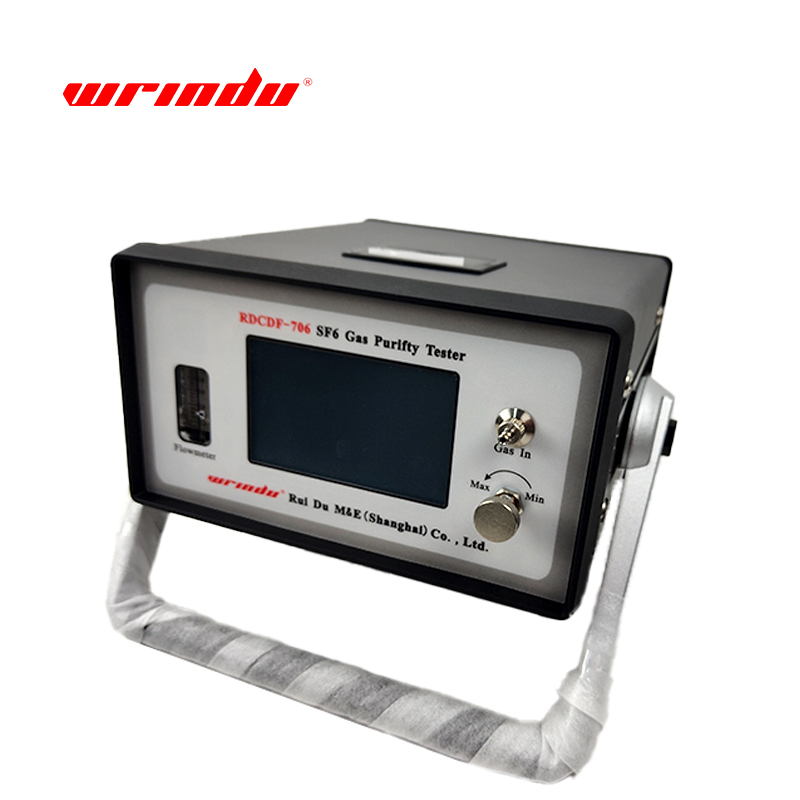 SF6 Leak Detector Sensitivity: Select a Method for the Inspection TaskKnowledge
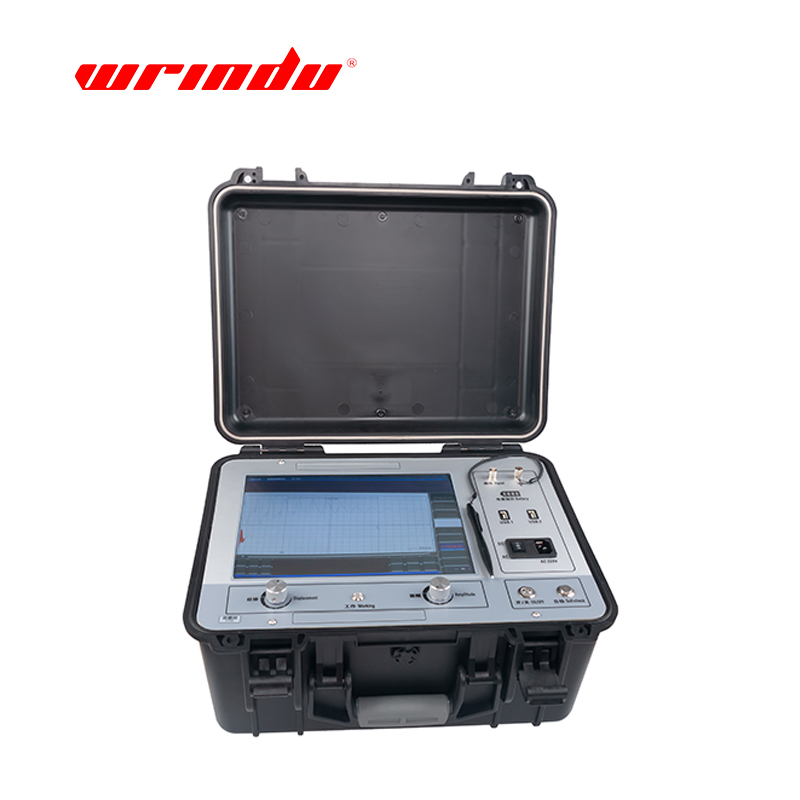 Cable Fault Locator Selection for Urban Networks: Routes, Noise and AccessKnowledge
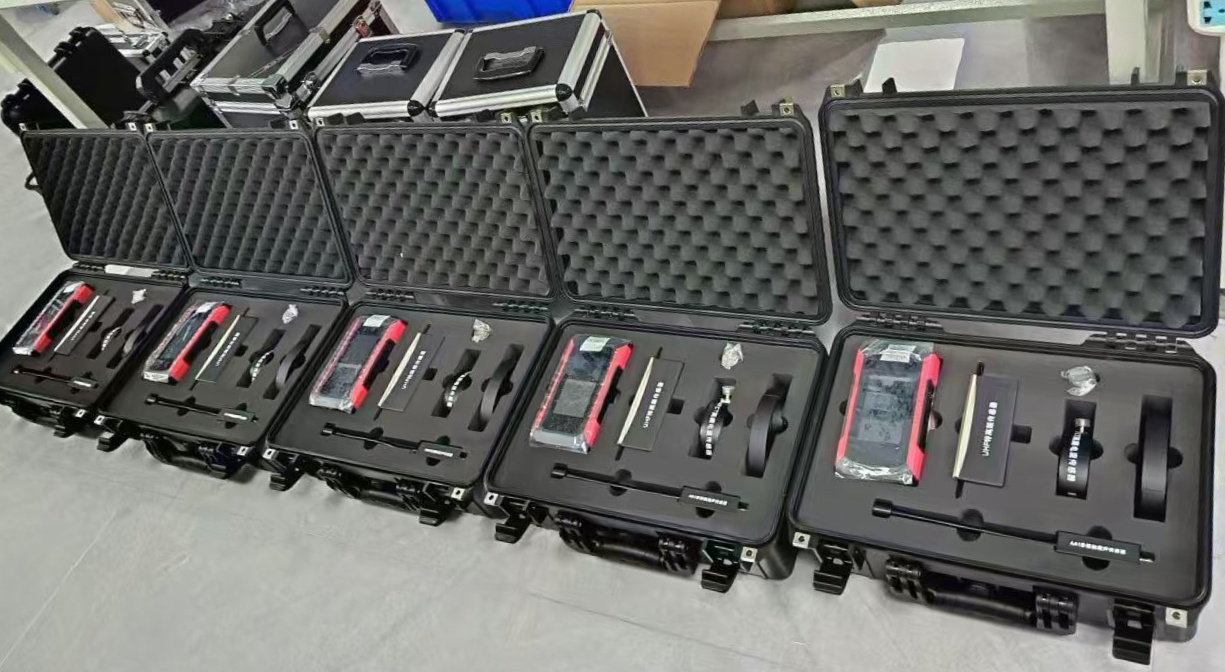 Substation Battery Load Bank Sizing: Duty, Voltage Range and Heat RejectionKnowledge
 CT Polarity, Ratio and Burden Testing: Find Wiring and Loading ErrorsKnowledge