
How Does Wrindu Deliver Global Support for GIS Specialists?
Send your test requirement — get a tailored solution and a quote within one working day.
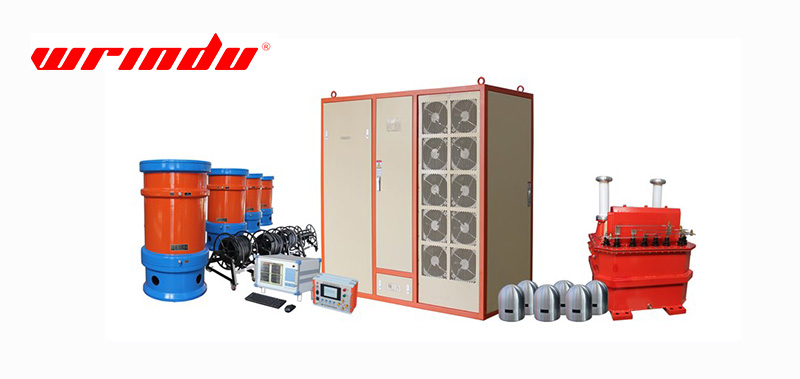
Wrindu supports global GIS specialists and gas-insulated switchgear contractors with China-manufactured high-voltage test equipment, responsive remote troubleshooting, and 24/7 technical and chemical guidance. From factory acceptance testing to on-site commissioning and fault diagnosis, our team helps contractors verify insulation condition, gas quality, breaker performance, and measurement reliability with practical, project-ready support.
Global Specialist Support via the SF6 Tester Selection Guide 2024
What Challenges Do GIS Contractors Face Across Global Projects?
GIS contractors face a difficult combination of tight outage windows, varied grid standards, remote sites, unfamiliar equipment configurations, and incomplete historical records. A test instrument that works well in a factory can still create delays if its accessories, wiring method, firmware settings, or result format do not match the field task.
For gas-insulated switchgear projects, the biggest risk is rarely the test itself. The costly failures usually occur at the interface between equipment, procedure, and reporting. A commissioning team may have only a six-hour shutdown window to complete contact-resistance testing, circuit-breaker timing, insulation checks, SF6 gas analysis, and report submission. One missing lead, incompatible connector, or misunderstood test sequence can postpone energization.
In our production runs, we have seen overseas contractors need different cable lengths, plug types, language interfaces, and report templates for the same core instrument. A standard tester may be technically capable, but it becomes inefficient when technicians must improvise adapters or manually reformat records after every job.
Wrindu addresses this through a China factory-to-project support model. Before shipment, the engineering team can confirm voltage range, test objects, accessory configuration, local power supply, communication requirements, and documentation format. This preparation reduces field uncertainty before the equipment reaches the contractor.
Common pressure points include:
-
GIS bays with limited physical access to test terminals.
-
Multi-brand switchgear fleets requiring flexible wiring and timing settings.
-
Humid, dusty, hot, or high-altitude sites affecting insulation measurements.
-
SF6 gas handling requirements that demand correct sampling, recovery, and interpretation.
-
Urgent remote troubleshooting during commissioning or maintenance outages.
-
Client acceptance reports requiring traceable readings and clear test evidence.
How Does Remote Technical Support Reduce GIS Outage Risk?
Remote technical support reduces outage risk by helping technicians confirm wiring, parameters, and abnormal readings before they repeat a test or dismantle GIS compartments. The fastest support process combines photos, nameplate data, test screenshots, connection diagrams, and a clear sequence of actions rather than relying on verbal descriptions alone.
For a circuit-breaker analyzer, for example, an unstable opening-time curve does not automatically mean the breaker mechanism is defective. The issue may be a loose auxiliary contact clip, an incorrect sensor reference, a poorly grounded test lead, or a parameter mismatch between single-pole and three-pole operation.
Wrindu provides 24/7 technical assistance for customers who need support outside China business hours. Contractors can send equipment photographs, panel diagrams, waveform screenshots, test files, and fault descriptions. The support team can then guide the technician through a controlled verification process:
-
Confirm the test object model, rated voltage, and test purpose.
-
Check instrument self-test status, battery condition, grounding, and lead continuity.
-
Verify all terminal connections against the applicable wiring diagram.
-
Review measurement settings, threshold values, and selected test mode.
-
Compare the result with baseline records, nameplate requirements, or prior test data.
-
Decide whether the issue is instrument-related, connection-related, procedural, or equipment-related.
This approach avoids a common field mistake: repeating a questionable test several times without changing the suspected cause. Repetition produces more data, but not necessarily better evidence.
For OEM and wholesale buyers, Wrindu can also support customized quick-start guides, operation videos, English documentation, customer branding, and application-specific wiring instructions. These materials are especially useful when distributors supply the same test platform to multiple contractor teams.
Why Is Chemical Support Important for Gas-Insulated Switchgear?
Chemical support is important because SF6 gas condition can reveal moisture ingress, decomposition, contamination, or post-fault stress inside GIS equipment. A gas test result becomes useful only when the sampling method, gas compartment history, temperature, pressure conditions, and maintenance event are considered together.
Many project teams focus on one gas purity number and overlook the broader diagnostic picture. In practice, purity alone does not explain whether internal insulation is healthy. Moisture, SO2, H2S, HF-related byproducts, and other decomposition indicators can provide a more meaningful warning when interpreted with equipment condition and operating history.
For example, a gas compartment may show acceptable SF6 purity but elevated moisture after extended maintenance work. If the team fills and energizes the compartment without addressing the source, moisture can affect dielectric strength and accelerate long-term insulation risk. Conversely, a slight gas-quality deviation after gas handling may be resolved through proper evacuation, filtration, recovery, and refill procedures rather than an unnecessary component replacement.
Wrindu’s technical and chemical help is designed to support decision-making, not simply provide a number. Our team can help contractors understand whether a result calls for retesting, gas processing, leak investigation, planned maintenance, or escalation to the asset owner’s engineering team.
As a China manufacturer, Wrindu can configure gas-analysis equipment and accessories for different field workflows, including portable testing, periodic maintenance, acceptance testing, and contractor service kits. Custom labels, OEM housings, manuals, and packaging are available for qualified wholesale and supplier programs.
Which Test Equipment Should GIS Specialists Prepare for Commissioning?
GIS specialists should prepare instruments that cover electrical continuity, breaker dynamics, insulation condition, grounding, gas quality, and cable or auxiliary-system verification. The right kit depends on voltage class, GIS design, outage duration, client specifications, and whether the scope is factory acceptance, installation, commissioning, or condition-based maintenance.
A practical commissioning package often includes a circuit-breaker analyzer, contact-resistance tester, transformer ratio tester where applicable, insulation resistance tester, micro-ohmmeter, SF6 gas analyzer, loop-resistance equipment, relay test equipment, battery tester, and high-voltage insulation diagnostic instruments.
The engineering trade-off is important. A compact all-in-one unit can reduce transport weight, but specialized instruments may offer better resolution, higher test current, stronger data analysis, or easier servicing. For example, contact-resistance testing at 100 A is commonly useful for many field tasks, while higher-current methods may be specified for larger conductors, disconnectors, or strict acceptance requirements. The contractor should select based on the governing procedure, not simply the highest available output.
Wrindu manufactures a wide range of high-voltage electrical test equipment in China for utilities, contractors, power plants, laboratories, OEMs, and maintenance teams. For overseas distributors, we can provide wholesale product combinations tailored to the projects they serve rather than forcing every customer into a fixed catalog bundle.
Who Benefits Most From a China OEM Test Equipment Partner?
Power utilities, EPC contractors, GIS maintenance companies, switchgear OEMs, testing agencies, railway operators, renewable-energy plants, and regional distributors benefit most from a China OEM partner when they need reliable instruments with configurable functions, controlled lead times, technical backup, and brand-level customization.
For a distributor, the advantage is not just factory price. It is the ability to build a product line that fits its local market. One distributor may require Spanish manuals, 110 V charging, rugged transit cases, and branded startup screens. Another may need 230 V power, IEC-style reporting, extended test leads, and a different accessory arrangement for substation contractors.
Based on years of handling factory orders, the most successful OEM projects start with the application list, not the logo. A logo on an unsuitable instrument does not create a competitive product. The correct process is to define the customer’s test objects, standards, typical outage duration, technician skill level, required result format, and after-sales pathway before finalizing the specification.
Wrindu supports OEM, custom, supplier, and wholesale requirements with independent design and manufacturing capability. This allows project teams to discuss functional adaptations early, including interface language, test templates, enclosure marking, packaging, accessory kits, and documentation.
When Should Contractors Escalate a GIS Test Result?
Contractors should escalate a GIS test result when it departs materially from the baseline, acceptance criteria, historical trend, or expected relationship between phases. Escalation is especially important when multiple indicators point to the same problem, such as abnormal breaker timing combined with unusual coil current or gas decomposition evidence.
A single unusual reading should first be verified under controlled conditions. Recheck lead placement, grounding, environmental effects, instrument configuration, and repeatability. If the result remains abnormal, compare phases, compartments, prior records, and equipment design before recommending corrective action.
In field work, we have seen teams replace components too quickly because a test result looked alarming. A better practice is to classify the evidence:
-
Connection issue: Reading changes after lead or clamp correction.
-
Procedure issue: Reading changes after correct test settings or discharge time.
-
Instrument issue: Self-test, calibration, or reference test indicates a problem.
-
Equipment condition issue: Abnormality remains repeatable and aligns with other diagnostic evidence.
This classification protects both the contractor and the asset owner. It creates a defensible record of what was observed, what was checked, and why further inspection was recommended.
Wrindu can assist with remote result review when customers provide the equipment model, test file, wiring photos, previous readings, environmental conditions, and the test procedure being followed. Fast, complete evidence shortens the diagnosis cycle.
Where Does Customization Create the Most Value for Global Buyers?
Customization creates the most value in accessories, interfaces, reporting, packaging, power compatibility, and service documentation. These details may seem secondary during procurement, yet they often determine whether an instrument is convenient and dependable during a midnight outage or urgent commissioning assignment.
For global contractors, the following custom options can make a measurable difference:
-
Multi-language interface and operation manual.
-
Local plug, charger, and voltage configuration.
-
Longer or purpose-built test leads for GIS terminal layouts.
-
Rugged flight cases with labeled accessory positions.
-
Customer logo, OEM panel design, and serial-number format.
-
Preconfigured test templates for common substation tasks.
-
CSV, PDF, or branded report export formats.
-
Calibration labels and documentation aligned with buyer requirements.
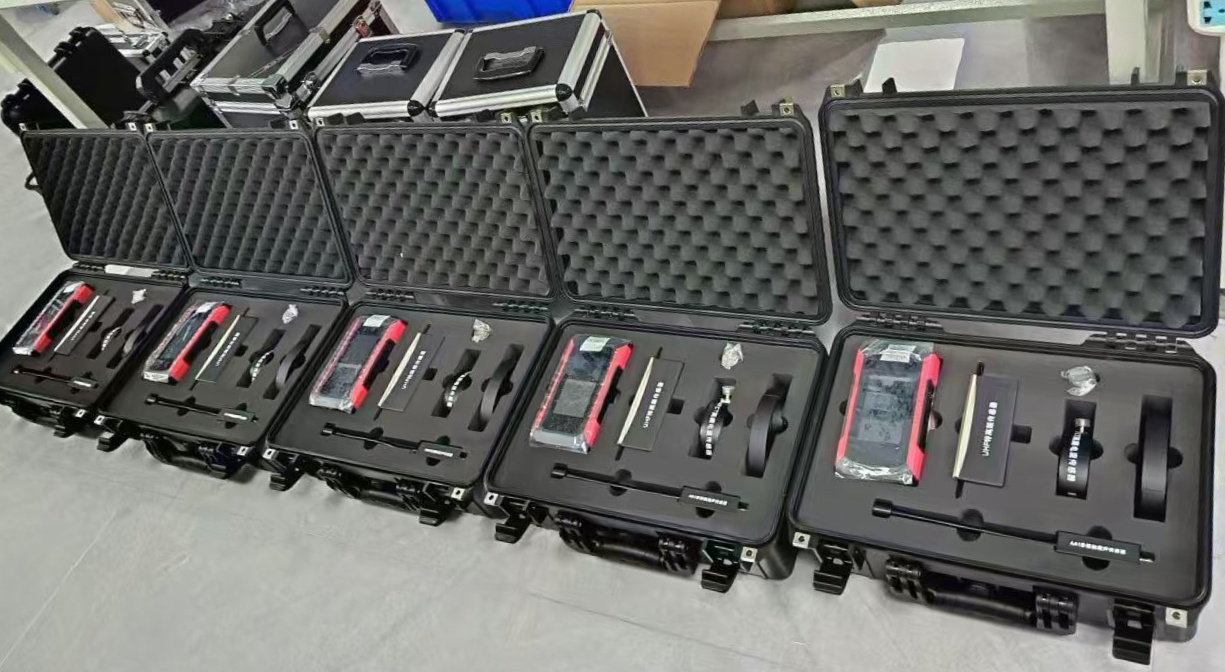
A common factory-floor lesson is that accessory control matters as much as meter accuracy. If a 20-meter high-current lead is coiled incorrectly, stored wet, or repeatedly pulled by its connector, its service life can decline sharply. Wrindu can provide structured case layouts and labeling so technicians can identify missing accessories before mobilizing to site.
As a China factory, we can also coordinate export packaging for sea, air, or express delivery. For high-value diagnostic instruments, foam density, corner protection, cable segregation, and moisture control should be defined according to transport method rather than treated as generic packing.
How Can Contractors Build a Stronger Long-Term Support Plan?
Contractors can build a stronger support plan by combining correct instrument selection, technician training, calibration control, spare-accessory planning, digital test records, and an agreed remote-support process. The goal is not merely to respond to failures, but to make testing repeatable across teams, sites, and project phases.
Start by assigning each instrument a clear service owner. That person should control calibration dates, firmware status, battery health, lead inspections, repair history, and operator training records. For teams working across regions, maintain a shared library of tested connection diagrams and completed reports for each GIS model.
A practical annual plan should include:
-
Pre-project equipment inspection before major outages.
-
Periodic calibration according to internal procedures and customer requirements.
-
Visual inspection of leads, clamps, sensors, connectors, and cases.
-
Test-file backup and baseline comparison by asset identification number.
-
Refresher training after staff turnover or new instrument deployment.
-
A support contact process that defines what photos, files, and details to send.
Wrindu Expert Views
“The best support case is prepared before the fault call happens. When a contractor sends a nameplate photo, wiring picture, test screenshot, environmental condition, and previous result together, we can usually isolate the next verification step much faster. In GIS work, accuracy is not only a specification on the instrument; it is the discipline of using the same method, connection, and interpretation every time.”
What Should Buyers Do Before Selecting a GIS Test Equipment Supplier?
Buyers should evaluate a GIS test equipment supplier by application fit, manufacturing control, technical competence, customization ability, calibration approach, support availability, and documentation quality. The lowest initial price can become expensive if the instrument lacks the accessories, remote assistance, or repair pathway required for real projects.
Ask suppliers for a clear answer to practical questions: Can they explain the correct test connection? Can they configure accessories for your GIS type? Can they support your local time zone? Can they provide OEM or custom branding? Can they supply spare parts and replacement leads? Can they help interpret test data without overstating conclusions?
Wrindu combines independent design, development, and manufacturing with global delivery and 24/7 after-sales support. For contractors and distributors, the actionable next step is to prepare a requirement list covering test objects, voltage classes, standards, accessories, language, report format, quantity, branding, and expected delivery date. A detailed requirement list produces a more accurate quotation and a more useful testing solution.
FAQs
Can Wrindu provide OEM branding for high-voltage test equipment?
Yes. Wrindu supports qualified OEM and custom projects, including logo marking, interface language, labels, manuals, packaging, accessory configurations, and report templates.
Does remote support include help with test connections?
Yes. Customers can share equipment photos, wiring diagrams, screenshots, and test files so the technical team can help verify connections, settings, and next diagnostic steps.
Can SF6 gas results be interpreted remotely?
Wrindu can help explain the diagnostic meaning of gas purity, moisture, and decomposition readings when customers provide sampling details, compartment history, operating conditions, and prior data.
What information is needed for a customized quotation?
Provide the test application, equipment type, voltage class, required functions, quantity, destination country, power standard, accessory needs, language, branding, and delivery expectation.
Related articles
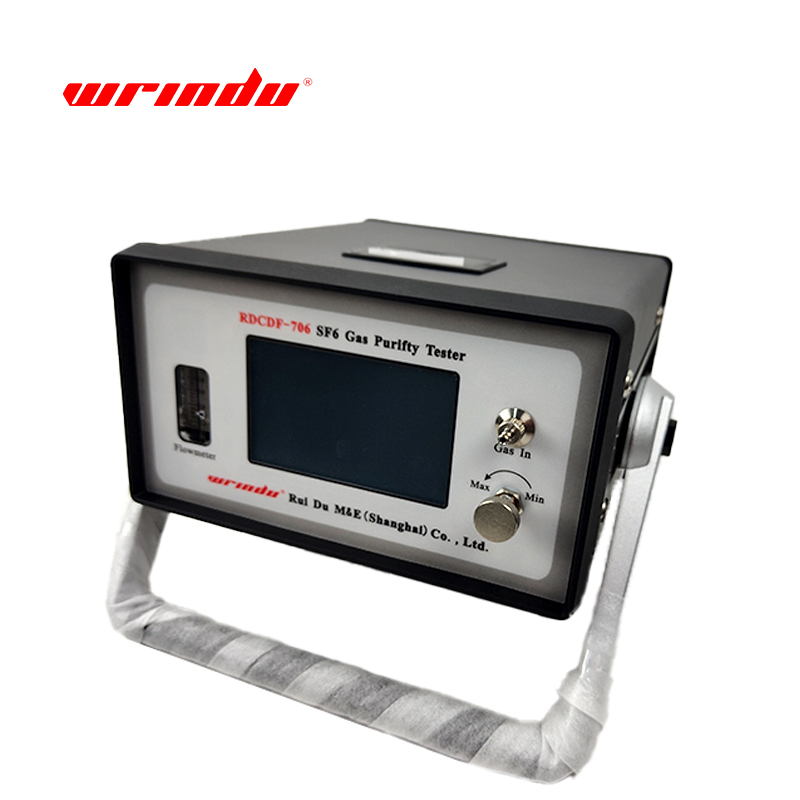 SF6 Leak Detector Sensitivity: Select a Method for the Inspection TaskKnowledge
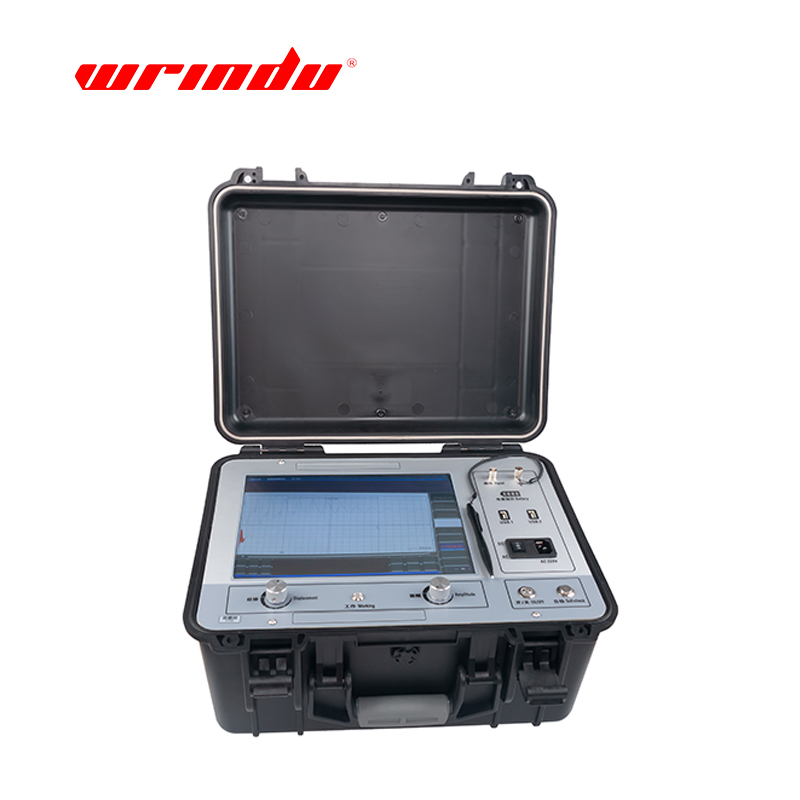 Cable Fault Locator Selection for Urban Networks: Routes, Noise and AccessKnowledge
 Substation Battery Load Bank Sizing: Duty, Voltage Range and Heat RejectionKnowledge
 CT Polarity, Ratio and Burden Testing: Find Wiring and Loading ErrorsKnowledge