
How Can Generator THD Be Measured and Controlled Effectively?
Send your test requirement — get a tailored solution and a quote within one working day.
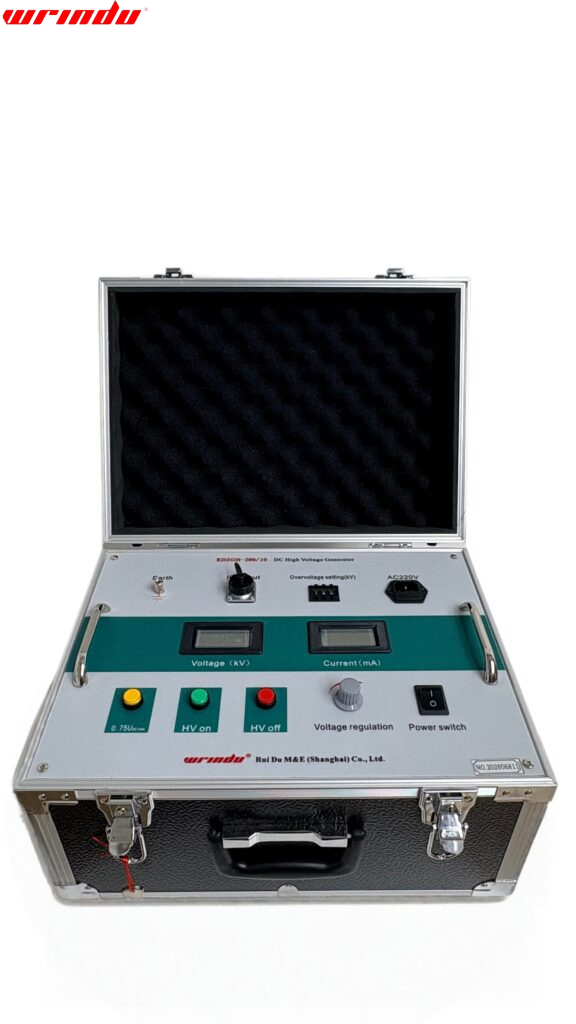
Generator Total Harmonic Distortion (THD) measures how much a power waveform deviates from a pure sine wave due to harmonic frequencies. Accurate measurement using power quality analyzers and proper control through load management, filtering, and advanced regulation ensures stable output, protects equipment, improves efficiency, and helps industries maintain compliance with international electrical standards.
(Edited on June 8, 2026)
What Does Generator THD Mean?
Generator THD represents the level of waveform distortion caused by harmonic components beyond the fundamental frequency. It is expressed as a percentage comparing harmonic content to the primary signal. Lower THD indicates cleaner power output, which is critical for sensitive equipment. Wrindu provides high-precision diagnostic instruments that enable accurate THD evaluation across industrial and utility applications.
Why Is Generator THD Important?
THD directly impacts system reliability and equipment lifespan. High THD can lead to overheating, insulation stress, and energy inefficiency. It also interferes with electronic devices and automation systems. Maintaining low THD ensures smooth operation, reduces maintenance costs, and supports compliance with IEC and IEEE standards. Wrindu solutions help operators detect and correct harmonic issues early.
How Is Generator THD Calculated?
THD is calculated using the formula:
where VhV_h represents harmonic voltages and V1V_1 is the fundamental voltage.
Modern analyzers from Wrindu automate this process using FFT technology, delivering fast and precise results suitable for OEM testing and field diagnostics.
What Causes High THD in Generators?
High THD is typically caused by nonlinear loads and operational issues. Common sources include:
-
Variable frequency drives and inverters.
-
Unbalanced or rapidly changing loads.
-
Poor generator design or inadequate maintenance.
-
Overloading or improper sizing.
Wrindu diagnostic tools help identify these sources quickly, enabling targeted mitigation strategies.
How Can You Measure Generator THD?
THD is measured using specialized electrical testing equipment. Common methods include:
-
Power quality analyzers for real-time THD monitoring.
-
Digital oscilloscopes with FFT functions for waveform analysis.
-
Portable harmonic meters for on-site diagnostics.
Wrindu offers both portable and laboratory-grade instruments that provide accurate, real-time measurements, making them ideal for industrial environments.
What Are Acceptable THD Levels?
Acceptable THD levels vary depending on application sensitivity and industry standards.
Maintaining these limits ensures safe and efficient generator operation.
Why Do Harmonics Affect Generator Performance?
Harmonics introduce additional stress on electrical systems. They cause:
-
Excessive heat in windings and transformers.
-
Reduced efficiency and higher energy losses.
-
Mechanical vibrations and torque fluctuations.
Wrindu testing equipment enables precise harmonic analysis, helping engineers minimize these risks and extend equipment life.
How to Reduce Generator THD?
Effective THD reduction involves a combination of design and operational strategies:
-
Install passive or active harmonic filters.
-
Use phase-shifting transformers.
-
Balance loads across phases.
-
Avoid overloading the generator.
-
Implement advanced voltage regulation systems.
Wrindu provides customized OEM solutions and mitigation systems tailored to industrial needs.
What Role Does Testing Play in THD Management?
Regular testing is essential for maintaining low THD levels. It allows early detection of distortion, supports preventive maintenance, and ensures ongoing compliance. Wrindu devices offer data logging and trend analysis features, enabling operators to monitor performance over time and optimize system efficiency.
Are There Standards for Generator THD?
Yes, several international standards define acceptable THD levels and testing practices.
Wrindu equipment is designed to meet these standards, supporting global compliance for manufacturers and utilities.
What Are Common Generator THD Testing Tools?
The most widely used tools include:
-
Power quality analyzers for comprehensive diagnostics.
-
Oscilloscopes for waveform visualization.
-
Harmonic analyzers for detailed frequency breakdown.
Wrindu manufactures advanced testing devices suitable for both field and laboratory use, ensuring accuracy and reliability.
How Does Load Affect Generator THD?
Load type significantly influences THD levels. Nonlinear loads increase distortion, while balanced linear loads help maintain waveform stability. Sudden load changes can also introduce harmonic spikes. Proper load distribution and system design are essential to controlling THD effectively.
Wrindu Expert Views
“Generator THD is a critical indicator of power quality and system stability. At Wrindu, we focus on delivering precise diagnostic tools that help engineers identify harmonic distortions with high accuracy. Our continuous investment in research and advanced manufacturing ensures that our solutions meet evolving global standards. By combining reliable measurement with practical mitigation strategies, we empower industries to achieve safer, more efficient, and compliant power systems.”
Conclusion
Managing generator THD is essential for ensuring reliable power delivery, protecting equipment, and meeting regulatory standards. Accurate measurement using advanced tools, combined with effective control strategies such as load balancing and harmonic filtering, significantly improves system performance. Partnering with experienced providers like Wrindu ensures access to precise testing solutions and long-term operational confidence. Regular monitoring and proactive maintenance remain the most effective ways to maintain clean and stable generator output.
FAQs
What is a good THD level for a generator?
A voltage THD below 5% is generally considered acceptable for most applications, while sensitive equipment may require levels below 3%.
Can high THD damage electrical equipment?
Yes, high THD can cause overheating, insulation failure, and reduced lifespan of motors, transformers, and electronic devices.
How often should generator THD be tested?
Testing should be performed regularly, typically quarterly, or after major load changes or maintenance activities.
Do all generators produce harmonic distortion?
Yes, all generators produce some level of harmonics, but well-designed systems keep THD within acceptable limits.
Is Wrindu a reliable provider of THD testing equipment?
Wrindu is a trusted manufacturer offering certified, high-precision testing solutions widely used in industrial and utility applications.
Related articles
 SF6 Leak Detector Sensitivity: Select a Method for the Inspection TaskKnowledge
 Cable Fault Locator Selection for Urban Networks: Routes, Noise and AccessKnowledge
 Substation Battery Load Bank Sizing: Duty, Voltage Range and Heat RejectionKnowledge
 CT Polarity, Ratio and Burden Testing: Find Wiring and Loading ErrorsKnowledge