
High Voltage Test Lead Corona: Recognize External Discharge Before Blaming the Asset
Send your test requirement — get a tailored solution and a quote within one working day.
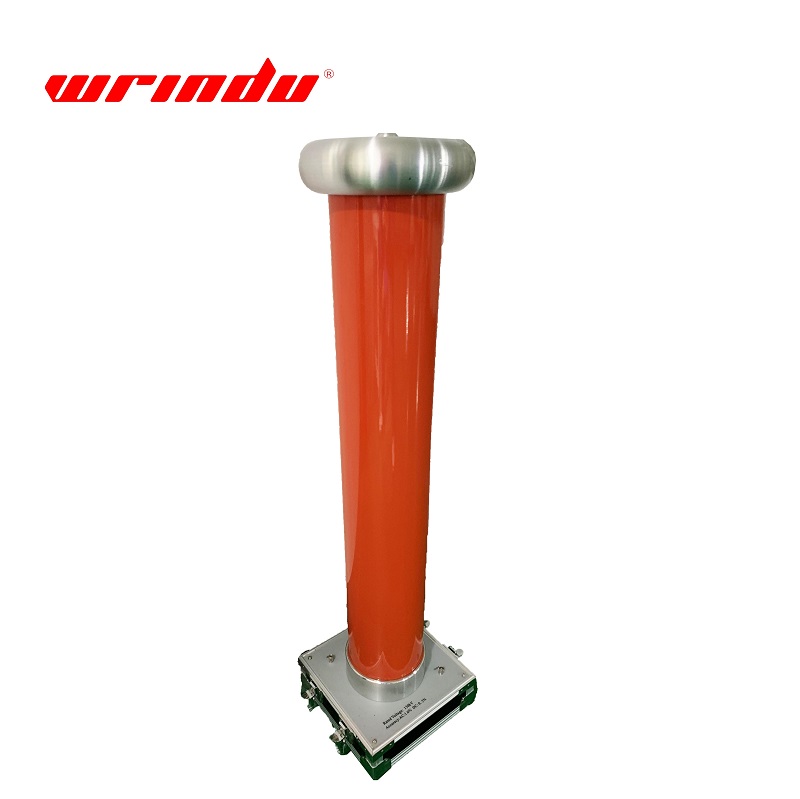
High Voltage Test Lead Corona requires evidence that a field, laboratory and procurement team can reconstruct. The working angle is to own setup-related discharge evidence and controlled retest authorization, not a live HV setup procedure. This guide is for Utility, EPC, commissioning, maintenance or test-laboratory engineers; procurement and protection teams where applicable at the field test / diagnosis stage. It controls the test boundary, raw record and conclusion. Acceptance values and model capability must still come from the approved asset procedure, applicable standard edition and current manufacturer documentation.
High Voltage Test Lead Corona: Which observations suggest an external discharge source?
Use the approved design reference to identify it.
Hold the test boundary constant, preserve raw data and verify the reference basis before the result is accepted, trended, reported or used to direct further work.
Treat the work under “High Voltage Test Lead Corona: Which observations suggest an external discharge source” as controlled decisions, not one instrument reading. Start with the test object, voltage source, measuring divider, leads, clearances and discharge path. Document test-object capacitance, waveform, frequency, ramp, trip logic, lead geometry, grounding and environmental conditions, plus the intended observation, comparison source and stop conditions before energization or capture.
For “High Voltage Test Lead Corona: Which observations suggest an external discharge source” in high voltage test lead corona, preserve applied voltage, current components, waveform, frequency, timing, trip event, instrument range and discharge confirmation, then review them using a controlled repeat with inspected leads, verified load, calibrated measurement channels and the approved test circuit. If they do not support the intended decision, narrow the conclusion and specify a repeat or complementary method.
For the scope and terminology used in “High Voltage Test Lead Corona: Which observations suggest an external discharge source,” consult IEC 60060-1 high-voltage test techniques and confirm the contractually applicable edition. The approved project procedure still controls acceptance.
Document the test arrangement before making changes
For “Document the test arrangement before making changes,” define the high voltage test lead corona boundary before connection or data capture. State the asset condition, intended observation, comparison source and stop condition.
Under “Document the test arrangement before making changes,” preserve applied voltage, current components, waveform, frequency, timing, trip event, instrument range and discharge confirmation. Compare equivalent records and investigate external corona, load demand or protection logic before assigning the observation to asset condition.
For “Document the test arrangement before making changes,” use IEC 60060 high-voltage techniques series for scope and terminology; the approved project procedure controls acceptance. See Wrindu’s related technical owner page, then verify model capability in the current manual.
Separate audible or visible signs from quantified evidence
For “Separate audible or visible signs from quantified evidence,” define the high voltage test lead corona boundary before connection or data capture. State the asset condition, intended observation, comparison source and stop condition.
Under “Separate audible or visible signs from quantified evidence,” use a controlled repeat with inspected leads, verified load, calibrated measurement channels and the approved test circuit. If the evidence conflicts, narrow the conclusion, identify the unresolved condition and assign a controlled repeat.
For “Separate audible or visible signs from quantified evidence,” use IEC 60076-3 dielectric-test scope for scope and terminology; the approved project procedure controls acceptance.
Review clearances and accessories through the approved procedure
For “Review clearances and accessories through the approved procedure,” define the high voltage test lead corona boundary before connection or data capture. State the asset condition, intended observation, comparison source and stop condition.
Under “Review clearances and accessories through the approved procedure,” record test-object capacitance, waveform, frequency, ramp, trip logic, lead geometry, grounding and environmental conditions. A setup change creates a new comparison case, so do not merge its values with the original trend.
For “Review clearances and accessories through the approved procedure,” use IEC 60270 charge-based partial-discharge measurement for scope and terminology; the approved project procedure controls acceptance. See Wrindu’s high-voltage insulation withstand testing hub, then verify model capability in the current manual.
Correlate discharge observations with voltage and channels
For “Correlate discharge observations with voltage and channels,” define the high voltage test lead corona boundary before connection or data capture. State the asset condition, intended observation, comparison source and stop condition.
Under “Correlate discharge observations with voltage and channels,” preserve applied voltage, current components, waveform, frequency, timing, trip event, instrument range and discharge confirmation. Compare equivalent records and investigate external corona, load demand or protection logic before assigning the observation to asset condition.
For “Correlate discharge observations with voltage and channels,” use NIST high-voltage divider calibration note for scope and terminology; the approved project procedure controls acceptance.
| Location observation | channel evidence | voltage context | alternative source | decision |
|---|---|---|---|---|
| Record location observation with its source. | Record channel evidence with its source. | Record voltage context with its source. | Record alternative source with its source. | Record decision with its source. |
Who approves a controlled comparison test?
Use a controlled test record to decide.
Use method-specific evidence and a controlled repeat; one reading cannot establish equipment condition when connections, operating state, environmental conditions or measurement settings remain uncertain during field testing.
Treat the work under “Who approves a controlled comparison test” as controlled decisions, not one instrument reading. Start with the test object, voltage source, measuring divider, leads, clearances and discharge path. Document test-object capacitance, waveform, frequency, ramp, trip logic, lead geometry, grounding and environmental conditions, plus the intended observation, comparison source and stop conditions before energization or capture.
For “Who approves a controlled comparison test” in high voltage test lead corona, preserve applied voltage, current components, waveform, frequency, timing, trip event, instrument range and discharge confirmation, then review them using a controlled repeat with inspected leads, verified load, calibrated measurement channels and the approved test circuit. If they do not support the intended decision, narrow the conclusion and specify a repeat or complementary method.
For the scope and terminology used in “Who approves a controlled comparison test,” consult ANSI/NETA MTS maintenance testing specifications and confirm the contractually applicable edition. The approved project procedure still controls acceptance.
Avoid calling an unexplained event a passed asset
For “Avoid calling an unexplained event a passed asset,” define the high voltage test lead corona boundary before connection or data capture. State the asset condition, intended observation, comparison source and stop condition.
Under “Avoid calling an unexplained event a passed asset,” record test-object capacitance, waveform, frequency, ramp, trip logic, lead geometry, grounding and environmental conditions. A setup change creates a new comparison case, so do not merge its values with the original trend.
For “Avoid calling an unexplained event a passed asset,” record the governing standard, utility rule and manufacturer instruction before freezing acceptance criteria.
Retain setup evidence and the release decision
For “Retain setup evidence and the release decision,” define the high voltage test lead corona boundary before connection or data capture. State the asset condition, intended observation, comparison source and stop condition.
Under “Retain setup evidence and the release decision,” preserve applied voltage, current components, waveform, frequency, timing, trip event, instrument range and discharge confirmation. Compare equivalent records and investigate external corona, load demand or protection logic before assigning the observation to asset condition.
For “Retain setup evidence and the release decision,” record the governing standard, utility rule and manufacturer instruction before freezing acceptance criteria.
A defensible high voltage test lead corona decision rests on a controlled setup, raw records and an explicit comparison basis. Separate observation from interpretation, identify unresolved conditions and assign each next action. When evidence is incomplete, use a controlled repeat or complementary method and leave asset acceptance with the responsible engineering authority.
FAQ
What evidence should be recorded when assessing high voltage test lead corona?
For high voltage test lead corona, confirm test-object capacitance, waveform, frequency, ramp, trip logic, lead geometry, grounding and environmental conditions before comparing results. Preserve applied voltage, current components, waveform, frequency, timing, trip event, instrument range and discharge confirmation. Identify every missing reference or uncontrolled condition, verify the applicable standard and instrument manual, and record the limitation plus its action owner. An incomplete observation should remain an open engineering question, not become an acceptance decision.
Which conditions can make high voltage test lead corona results difficult to compare?
The answer depends on the verified asset and method boundary. For high voltage test lead corona, use a controlled repeat with inspected leads, verified load, calibrated measurement channels and the approved test circuit and retain the raw record. Never transfer a criterion from another configuration or test stage without written authority. If the evidence remains inconsistent, repeat the controlled test portion or refer the bounded issue for engineering review.
When should an inconclusive high voltage test lead corona result be escalated?
For high voltage test lead corona, identify the decision owner and governing procedure first. Check test-object capacitance, waveform, frequency, ramp, trip logic, lead geometry, grounding and environmental conditions, then compare saved data with a valid reference. Request missing capability, calibration or method evidence before relying on the result. The final record must separate what was established, what remains uncertain and which assigned action closes the issue.
Review the high voltage test lead corona scope
Send the asset, objective, governing procedure, required range, accessories and reporting format. Wrindu can review an instrument configuration; the responsible engineering team retains the acceptance decision.
{“@context”:”https://schema.org”,”@type”:”FAQPage”,”mainEntity”:[{“@type”:”Question”,”name”:”What evidence should be recorded when assessing high voltage test lead corona?”,”acceptedAnswer”:{“@type”:”Answer”,”text”:”For high voltage test lead corona, confirm test-object capacitance, waveform, frequency, ramp, trip logic, lead geometry, grounding and environmental conditions before comparing results. Preserve applied voltage, current components, waveform, frequency, timing, trip event, instrument range and discharge confirmation. Identify every missing reference or uncontrolled condition, verify the applicable standard and instrument manual, and record the limitation plus its action owner. An incomplete observation should remain an open engineering question, not become an acceptance decision.”}},{“@type”:”Question”,”name”:”Which conditions can make high voltage test lead corona results difficult to compare?”,”acceptedAnswer”:{“@type”:”Answer”,”text”:”The answer depends on the verified asset and method boundary. For high voltage test lead corona, use a controlled repeat with inspected leads, verified load, calibrated measurement channels and the approved test circuit and retain the raw record. Never transfer a criterion from another configuration or test stage without written authority. If the evidence remains inconsistent, repeat the controlled test portion or refer the bounded issue for engineering review.”}},{“@type”:”Question”,”name”:”When should an inconclusive high voltage test lead corona result be escalated?”,”acceptedAnswer”:{“@type”:”Answer”,”text”:”For high voltage test lead corona, identify the decision owner and governing procedure first. Check test-object capacitance, waveform, frequency, ramp, trip logic, lead geometry, grounding and environmental conditions, then compare saved data with a valid reference. Request missing capability, calibration or method evidence before relying on the result. The final record must separate what was established, what remains uncertain and which assigned action closes the issue.”}}]}
Related articles
Hipot Capacitive Load Current Calculation: Check the Test Set Against the Actual LoadHigh-voltage withstand and insulationVLF Cable Test False Trips: Separate Load Limits from an Insulation EventHigh-voltage withstand and insulationHigh Voltage Test Uncertainty Budget: Combine the Divider, Recorder and Test ConditionsHigh-voltage withstand and insulation